George Bernard Shaw: His Plays
1905
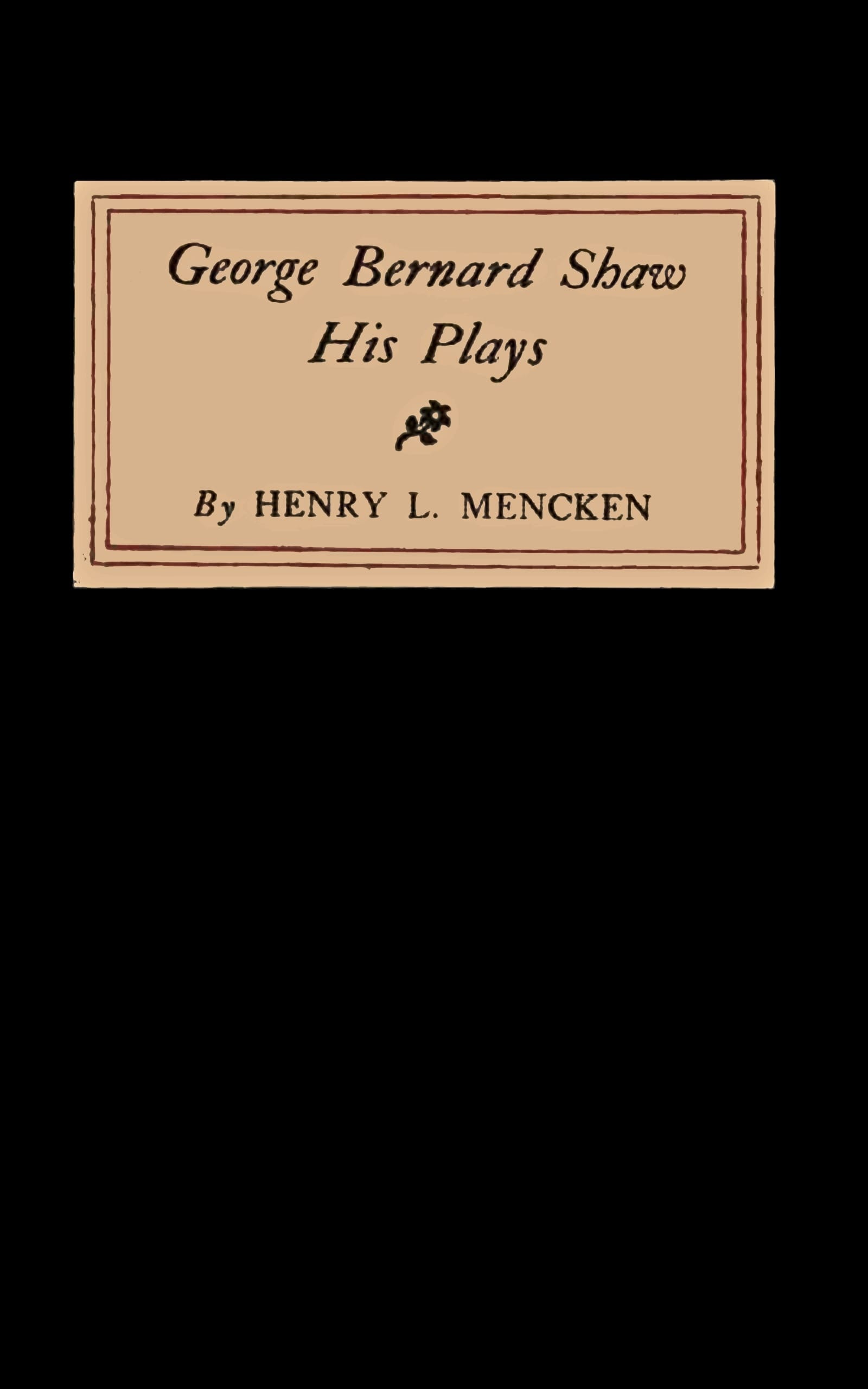
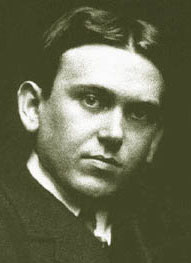
In 1905, when George Bernard Shaw was still a scandal to American audiences, the young H.L. Mencken wrote the first book in America dedicated to his plays. This wasn't hagiography. Mencken approached Shaw as a fellow warrior in the culture wars, dissecting plays like 'Mrs. Warren's Profession,' 'Arms and the Man,' and 'The Devil's Disciple' with the surgical wit that would define his career. He understood what made Shaw dangerous: the Irish playwright's ability to make audiences laugh at their own moral certainties while slipping revolutionary ideas past their defenses. Mencken traces Shaw's technique of dramatizing ideas as living conflict, showing how the playwright weaponized dialogue and turned social taboos into theatrical provocation. This is Mencken before cynicism hardened into nastiness, when he still believed criticism could illuminate and even entertain. For anyone interested in the birth of modern drama in the English-speaking world, or in watching two brilliant minds grapple with questions of art, morality, and social reform, this early critical portrait captures an electrifying moment when theater could still shock the world.
Editions
Link to this book
Add a free, dofollow link to Lex on your blog, forum, syllabus, or reading list.

<a href="https://lex-books.com/book/george-bernard-shaw-his-plays-455d673e-f243-4cf2-809c-5c78dcb60385"><img src="https://lex-books.com/badges/read-on-lex.svg" alt="Read George Bernard Shaw: His Plays by H. L. Mencken free on Lex" width="160" height="40"></a>[](https://lex-books.com/book/george-bernard-shaw-his-plays-455d673e-f243-4cf2-809c-5c78dcb60385)[url=https://lex-books.com/book/george-bernard-shaw-his-plays-455d673e-f243-4cf2-809c-5c78dcb60385][img]https://lex-books.com/badges/read-on-lex.svg[/img][/url]Read George Bernard Shaw: His Plays by H. L. Mencken free on Lex: https://lex-books.com/book/george-bernard-shaw-his-plays-455d673e-f243-4cf2-809c-5c78dcb60385Cite this book
Reading this edition for a paper or guide? Copy a citation.
Mencken, H. L.. George Bernard Shaw: His Plays. Lex, lex-books.com/book/george-bernard-shaw-his-plays-455d673e-f243-4cf2-809c-5c78dcb60385.Mencken, H. L. (1905). George Bernard Shaw: His Plays. Lex. https://lex-books.com/book/george-bernard-shaw-his-plays-455d673e-f243-4cf2-809c-5c78dcb60385Mencken, H. L.. George Bernard Shaw: His Plays. Lex. https://lex-books.com/book/george-bernard-shaw-his-plays-455d673e-f243-4cf2-809c-5c78dcb60385.