First Book in Physiology and Hygiene
First Book in Physiology and Hygiene
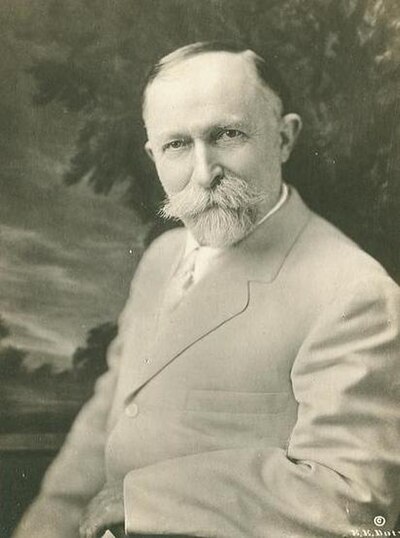
John Harvey Kellogg wrote this physiology textbook for children in the late 19th century, during a time when the battle between vice and physical purity dominated American health discourse. The book opens with a now-charming metaphor: the human body as a house, with its various organs as rooms requiring proper care and maintenance. Kellogg, the eccentric physician who would later invent Corn Flakes and run the famous Battle Creek Sanitarium, guides young readers through the basics of anatomy and hygiene with earnest moral fervor. He explains how the body functions as a machine, advocates for vegetarianism, and warns against the dangers of alcohol, tobacco, and narcotics with the intensity of a preacher. The science is dated, of course, but the real fascination lies in peeking into the Victorian mind: a world where understanding one's own flesh was both a scientific pursuit and a spiritual duty. Why read it now? Part curiosity, part cultural archaeology, and part dark amusement at how seriously our great-great-grandparents took the promise that masturbation would ruin your health.
Editions
Link to this book
Add a free, dofollow link to Lex on your blog, forum, syllabus, or reading list.

<a href="https://lex-books.com/book/first-book-in-physiology-and-hygiene-5adf6f19-4859-4f43-8c86-49eae2649fb6"><img src="https://lex-books.com/badges/read-on-lex.svg" alt="Read First Book in Physiology and Hygiene by John Harvey Kellogg free on Lex" width="160" height="40"></a>[](https://lex-books.com/book/first-book-in-physiology-and-hygiene-5adf6f19-4859-4f43-8c86-49eae2649fb6)[url=https://lex-books.com/book/first-book-in-physiology-and-hygiene-5adf6f19-4859-4f43-8c86-49eae2649fb6][img]https://lex-books.com/badges/read-on-lex.svg[/img][/url]Read First Book in Physiology and Hygiene by John Harvey Kellogg free on Lex: https://lex-books.com/book/first-book-in-physiology-and-hygiene-5adf6f19-4859-4f43-8c86-49eae2649fb6Cite this book
Reading this edition for a paper or guide? Copy a citation.
Kellogg, John Harvey. First Book in Physiology and Hygiene. Lex, lex-books.com/book/first-book-in-physiology-and-hygiene-5adf6f19-4859-4f43-8c86-49eae2649fb6.Kellogg, J. H. (n.d.). First Book in Physiology and Hygiene. Lex. https://lex-books.com/book/first-book-in-physiology-and-hygiene-5adf6f19-4859-4f43-8c86-49eae2649fb6Kellogg, John Harvey. First Book in Physiology and Hygiene. Lex. https://lex-books.com/book/first-book-in-physiology-and-hygiene-5adf6f19-4859-4f43-8c86-49eae2649fb6.