Famous Men of Ancient Times
1843
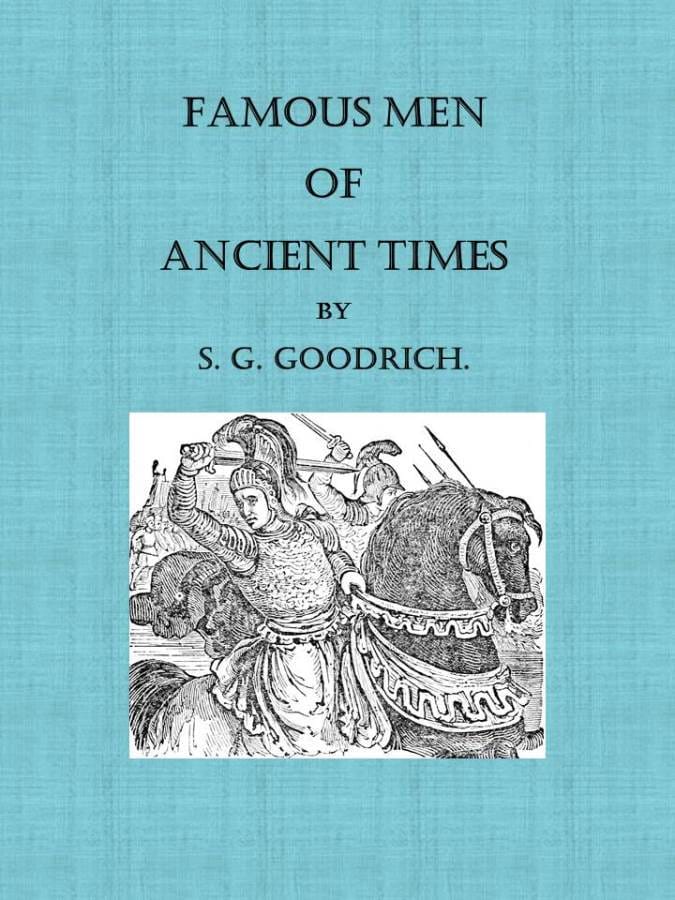
Samuel G. Goodrich's 1843 collection offers something rare: history as moral instruction. Rather than dry chronology, he presents ancient worthies as living lessons in character, ambition, and consequence. The subjects range from philosophers like Socrates and Plato to conquerors like Alexander and Hannibal, from poets Homer and Virgil to emperors Nero and Attila. Each biography serves double duty: entertaining narrative and ethical case study. Goodrich believed even figures considered 'less glorified' deserved careful treatment, recognizing that cautionary tales often teach more than victories. The book opens with Mohammed, situating his prophetic emergence within 7th-century Arabian society, then moves through Greek orators, Roman statesmen, and Chinese thinkers like Confucius. Written for young readers but rich enough for adults, this is history shaped by 19th-century conviction that the past exists to form the present. The moral framework may feel dated, but the stories themselves remain vivid portraits of human greatness and failure.
Editions
Link to this book
Add a free, dofollow link to Lex on your blog, forum, syllabus, or reading list.

<a href="https://lex-books.com/book/famous-men-of-ancient-times-0e56bceb-768f-45df-abc9-c256486335a3"><img src="https://lex-books.com/badges/read-on-lex.svg" alt="Read Famous Men of Ancient Times by Samuel G. Goodrich free on Lex" width="160" height="40"></a>[](https://lex-books.com/book/famous-men-of-ancient-times-0e56bceb-768f-45df-abc9-c256486335a3)[url=https://lex-books.com/book/famous-men-of-ancient-times-0e56bceb-768f-45df-abc9-c256486335a3][img]https://lex-books.com/badges/read-on-lex.svg[/img][/url]Read Famous Men of Ancient Times by Samuel G. Goodrich free on Lex: https://lex-books.com/book/famous-men-of-ancient-times-0e56bceb-768f-45df-abc9-c256486335a3Cite this book
Reading this edition for a paper or guide? Copy a citation.
Goodrich, Samuel G.. Famous Men of Ancient Times. Lex, lex-books.com/book/famous-men-of-ancient-times-0e56bceb-768f-45df-abc9-c256486335a3.Goodrich, S. G. (1843). Famous Men of Ancient Times. Lex. https://lex-books.com/book/famous-men-of-ancient-times-0e56bceb-768f-45df-abc9-c256486335a3Goodrich, Samuel G.. Famous Men of Ancient Times. Lex. https://lex-books.com/book/famous-men-of-ancient-times-0e56bceb-768f-45df-abc9-c256486335a3.