Euphorion - Vol. I
1884
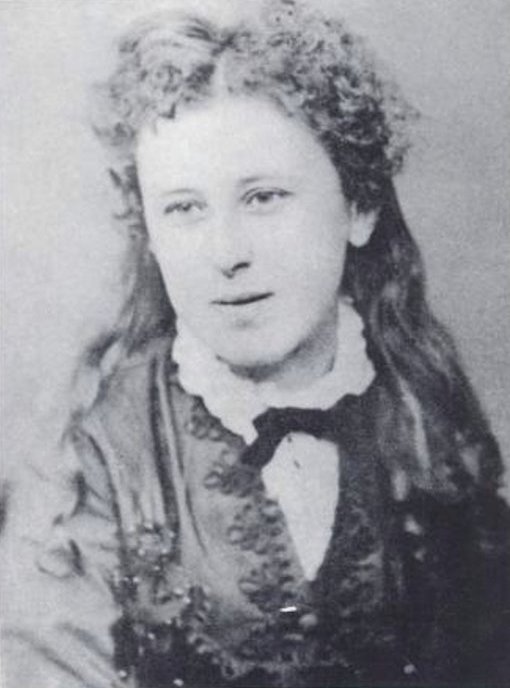
Vernon Lee's 1884 scholarly work takes on one of the most ambitious allegories in Victorian criticism: the Renaissance as the child of Faustus and Helena. Faustus, the medieval scholar who sells his soul, represents the Middle Ages grappling with forbidden knowledge. Helena, the legendary beauty of ancient Greece, embodies Classical antiquity. Their impossible offspring, Euphorion, becomes Lee's symbol for a civilization that inherited both the spiritual restlessness of the medieval world and the aesthetic wisdom of antiquity, and somehow gave birth to something entirely new. Lee argues that Renaissance Italy was not simply a 'rebirth' of classical learning but a tense, productive collision between these two cultural inheritances, one that produced both Michelangelo and Machiavelli, both transcendent art and troubling moral ambiguity. Written by Violet Paget under a deliberately male pseudonym (necessary for serious intellectual credibility in 1884), this book offers a fascinating window into how late Victorians understood, and mythologized, their own cultural heritage. For readers interested in the intellectual history of the Renaissance, or in the gender politics of Victorian scholarship, Euphorion remains a curious and compelling artifact.
Editions
Link to this book
Add a free, dofollow link to Lex on your blog, forum, syllabus, or reading list.

<a href="https://lex-books.com/book/euphorion-vol-i-58f678df-63a6-4ffc-8354-b07a9df1cf3a"><img src="https://lex-books.com/badges/read-on-lex.svg" alt="Read Euphorion - Vol. I by Vernon Lee free on Lex" width="160" height="40"></a>[](https://lex-books.com/book/euphorion-vol-i-58f678df-63a6-4ffc-8354-b07a9df1cf3a)[url=https://lex-books.com/book/euphorion-vol-i-58f678df-63a6-4ffc-8354-b07a9df1cf3a][img]https://lex-books.com/badges/read-on-lex.svg[/img][/url]Read Euphorion - Vol. I by Vernon Lee free on Lex: https://lex-books.com/book/euphorion-vol-i-58f678df-63a6-4ffc-8354-b07a9df1cf3aCite this book
Reading this edition for a paper or guide? Copy a citation.
Lee, Vernon. Euphorion - Vol. I. Lex, lex-books.com/book/euphorion-vol-i-58f678df-63a6-4ffc-8354-b07a9df1cf3a.Lee, V. (1884). Euphorion - Vol. I. Lex. https://lex-books.com/book/euphorion-vol-i-58f678df-63a6-4ffc-8354-b07a9df1cf3aLee, Vernon. Euphorion - Vol. I. Lex. https://lex-books.com/book/euphorion-vol-i-58f678df-63a6-4ffc-8354-b07a9df1cf3a.