Epic and Romance: Essays on Medieval Literature
1897
Before romance conquered Europe, there was the epic: brutal, heroic, rooted in historical catastrophe. W.P. Ker's 1897 masterpiece traces the seismic shift from the blood-soaked battle-poems of the early Middle Ages to the courtly fantasies of chivalry, showing how storytelling itself transformed as society evolved from warrior clans to knightly orders. This isn't a dry catalog of works. It's an argument about how narrative form carries meaning, how the shift from Beowulf to Lancelot tracks a civilization learning new desires and new ways of dying. Ker writes with Victorian precision but unexpected passion, treating these medieval texts not as museum pieces but as living arguments about what it meant to be brave, to love, to be remembered. Anyone who has ever wondered why medieval literature flips between graphic violence and tendercourtly ritual will find answers here, along with the strange thrill of seeing an entire literary tradition explained in fewer than three hundred pages.
Editions
X-Ray
The author and literary critic who serves as the analytical voice throughout this scholarly work. He examines medieval literature with systematic rigor and comparative insight.
The ancient Greek epic poet whose works serve as the gold standard against which all other epic literature is measured. His Iliad and Odyssey represent the pinnacle of epic achievement.
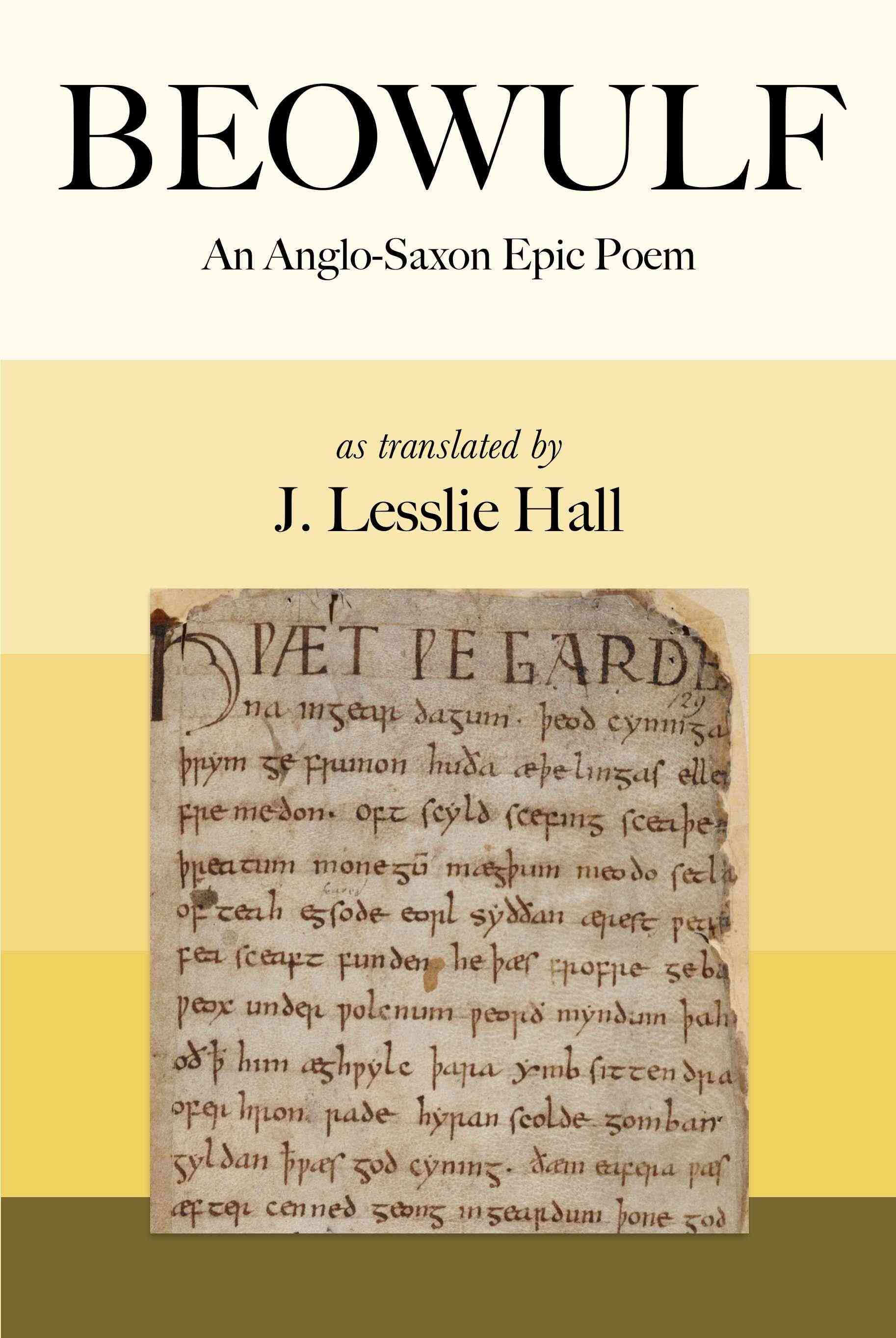
The Anglo-Saxon epic hero whose story represents one of the finest examples of Teutonic heroic poetry. His adventures against monsters embody the heroic ideal of his age.
The hero of the French Chanson de Roland, representing the pinnacle of French epic achievement. His last stand at Roncesvalles embodies heroic sacrifice for Christendom and France.
About Epic and Romance: Essays on Medieval Literature
Chapter Summaries
- 1
- Ker establishes the fundamental distinction between Epic and Romance, arguing that Epic represents the literature of the heroic age while Romance belongs to the age of chivalry. He outlines the three main schools of heroic literature: Teutonic Epic, French Epic, and Icelandic Sagas.
- 2
- An analysis of Germanic heroic poetry, focusing on its tragic conception and dramatic strength. Ker examines the scale and style of these poems, comparing Western (English/German) and Northern (Scandinavian) traditions, and discusses their relationship to ballad poetry.
- 3
- Ker presents the Icelandic Sagas as the culmination of Northern heroic literature, analyzing their unique combination of historical realism and dramatic power. He examines their matter and form, heroic ideals, tragic imagination, and narrative art.
Key Themes
- The Heroic Ideal
- Ker examines how different medieval literatures express the concept of heroism, from the stark courage of Anglo-Saxon warriors to the complex psychology of Icelandic saga heroes. The heroic ideal evolves from simple physical bravery to more nuanced concepts of honor and duty.
- Epic vs. Romance
- The fundamental distinction between epic literature (grounded in heroic action and character) and romance (focused on adventure and sentiment). This represents a major shift in medieval literary consciousness and the transition from one age to another.
- Tragic Conception
- The understanding of tragic situations in medieval literature, particularly the Germanic tradition's grasp of dramatic conflict and inevitable doom. Ker shows how early medieval poets understood the essential elements of tragedy as well as classical authors.
Characters
- W. P. Ker(protagonist)
- The author and literary critic who serves as the analytical voice throughout this scholarly work. He examines medieval literature with systematic rigor and comparative insight.
- Homer(major)
- The ancient Greek epic poet whose works serve as the gold standard against which all other epic literature is measured. His Iliad and Odyssey represent the pinnacle of epic achievement.
- Beowulf(major)
- The Anglo-Saxon epic hero whose story represents one of the finest examples of Teutonic heroic poetry. His adventures against monsters embody the heroic ideal of his age.
- Roland(major)
- The hero of the French Chanson de Roland, representing the pinnacle of French epic achievement. His last stand at Roncesvalles embodies heroic sacrifice for Christendom and France.
- Sigurd(major)
- The central hero of the Northern Volsung cycle, slayer of the dragon Fafnir. His tragic love story with Brynhild represents the height of Northern heroic poetry.
- Brynhild(major)
- The Valkyrie heroine of Northern poetry whose passionate love for Sigurd leads to tragedy. She represents the complex psychology of heroic women in medieval literature.
Link to this book
Add a free, dofollow link to Lex on your blog, forum, syllabus, or reading list.

<a href="https://lex-books.com/book/epic-and-romance-essays-on-medieval-literature-644db31f-1712-4ebb-8df7-eeb5652a49ed"><img src="https://lex-books.com/badges/read-on-lex.svg" alt="Read Epic and Romance: Essays on Medieval Literature by W. P. Ker free on Lex" width="160" height="40"></a>[](https://lex-books.com/book/epic-and-romance-essays-on-medieval-literature-644db31f-1712-4ebb-8df7-eeb5652a49ed)[url=https://lex-books.com/book/epic-and-romance-essays-on-medieval-literature-644db31f-1712-4ebb-8df7-eeb5652a49ed][img]https://lex-books.com/badges/read-on-lex.svg[/img][/url]Read Epic and Romance: Essays on Medieval Literature by W. P. Ker free on Lex: https://lex-books.com/book/epic-and-romance-essays-on-medieval-literature-644db31f-1712-4ebb-8df7-eeb5652a49edCite this book
Reading this edition for a paper or guide? Copy a citation.
Ker, W. P.. Epic and Romance: Essays on Medieval Literature. Lex, lex-books.com/book/epic-and-romance-essays-on-medieval-literature-644db31f-1712-4ebb-8df7-eeb5652a49ed.Ker, W. P. (1897). Epic and Romance: Essays on Medieval Literature. Lex. https://lex-books.com/book/epic-and-romance-essays-on-medieval-literature-644db31f-1712-4ebb-8df7-eeb5652a49edKer, W. P.. Epic and Romance: Essays on Medieval Literature. Lex. https://lex-books.com/book/epic-and-romance-essays-on-medieval-literature-644db31f-1712-4ebb-8df7-eeb5652a49ed.