Kosher USA: How Coke Became Kosher and Other Tales of Modern Food (Arts and Traditions of the Table: Perspectives on Culinary History)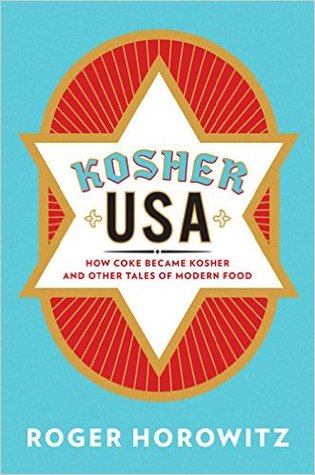
Kosher USA: How Coke Became Kosher and Other Tales of Modern Food (Arts and Traditions of the Table: Perspectives on Culinary History)2016
About this book
Kosher USA follows the fascinating journey of kosher food through the modern industrial food system. It recounts how iconic products such as Coca-Cola and Jell-O tried to become kosher; the contentious debates among rabbis over the incorporation of modern science into Jewish law; how Manischewitz wine became the first kosher product to win over non-Jewish consumers (principally African Americans); the techniques used by Orthodox rabbinical organizations to embed kosher requirements into food manufacturing; and the difficulties encountered by kosher meat and other kosher foods that fell outside the American culinary consensus. Kosher USA is filled with big personalities, rare archival finds, and surprising influences: the Atlanta rabbi Tobias Geffen, who made Coke kosher; the lay chemist and kosher-certification pioneer Abraham Goldstein; the kosher-meat magnate Harry Kassel; and the animal-rights advocate Temple Grandin, a strong supporter of shechita, or Jewish slaughtering practice. By exploring the complex encounter between ancient religious principles and modern industrial methods, Kosher USA adds a significant chapter to the story of Judaism's interaction with non-Jewish cultures and the history of modern Jewish American life as well as American foodways.
Details
- Published
- 2016
- ISBN-10
- 0231158327
About Roger Horowitz
Roger Horowitz is a New York-born business, technology, and labor historian. He is an expert on food history, and has written about meat production and consumption in the United States. He is the director of the Center for the History of Business, Technology, and Society at the Hagley Museum and Library where he manages programs encouraging the use of Hagley's research collections in business, political, and social history. There, he also develops and organizes annual academic conferences, public lectures, and seminar series. He also works as an adjunct professor at the University of Delaware...
Full author profile