Criminal Psychology: A Manual for Judges, Practitioners, and Students

Criminal Psychology: A Manual for Judges, Practitioners, and Students
Translated by Horace Meyer Kallen
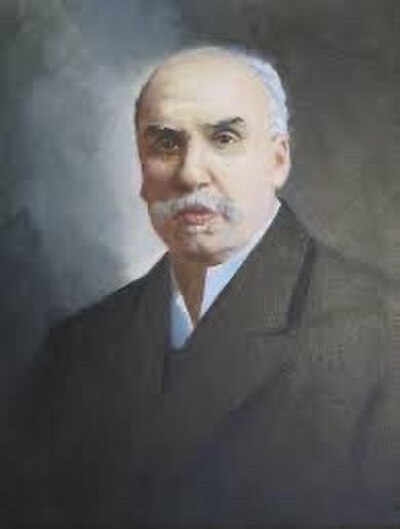
Written in the early 1900s when the very idea of applying psychology to criminal law was radical, Hans Gross's treatise argues that justice cannot exist without understanding the human mind. The book examines the mental states of everyone in the courtroom: judges whose biases shape rulings, witnesses whose perceptions distort testimony, jurors whose emotions influence verdicts, and offenders whose psychology lies at the heart of the crime itself. Gross analyzes how memory fails, how testimony becomes corrupted, and how the procedural machinery of justice depends on psychological realities it rarely acknowledges. Drawing on decades of criminal court experience, he makes the case that effective judges must be psychologists of a kind, readers of human behavior navigating the complex currents beneath legal proceedings. This is the work that essentially invented criminal psychology as a discipline, arguing that understanding mental factors is not optional but essential to fair administration of the law. For law students, forensic psychologists, historians of criminal justice, and anyone curious about how mind and law intersect, this remains the foundational text that changed criminal proceedings forever.
Editions
X-Ray
Link to this book
Add a free, dofollow link to Lex on your blog, forum, syllabus, or reading list.

<a href="https://lex-books.com/book/criminal-psychology-a-manual-for-judges-practitioners-and-students-6e0e0012-91d6-450d-942d-68ae61d654b3"><img src="https://lex-books.com/badges/read-on-lex.svg" alt="Read Criminal Psychology: A Manual for Judges, Practitioners, and Students by Hans Gross free on Lex" width="160" height="40"></a>[](https://lex-books.com/book/criminal-psychology-a-manual-for-judges-practitioners-and-students-6e0e0012-91d6-450d-942d-68ae61d654b3)[url=https://lex-books.com/book/criminal-psychology-a-manual-for-judges-practitioners-and-students-6e0e0012-91d6-450d-942d-68ae61d654b3][img]https://lex-books.com/badges/read-on-lex.svg[/img][/url]Read Criminal Psychology: A Manual for Judges, Practitioners, and Students by Hans Gross free on Lex: https://lex-books.com/book/criminal-psychology-a-manual-for-judges-practitioners-and-students-6e0e0012-91d6-450d-942d-68ae61d654b3Cite this book
Reading this edition for a paper or guide? Copy a citation.
Gross, Hans. Criminal Psychology: A Manual for Judges, Practitioners, and Students. Lex, lex-books.com/book/criminal-psychology-a-manual-for-judges-practitioners-and-students-6e0e0012-91d6-450d-942d-68ae61d654b3.Gross, H. (n.d.). Criminal Psychology: A Manual for Judges, Practitioners, and Students. Lex. https://lex-books.com/book/criminal-psychology-a-manual-for-judges-practitioners-and-students-6e0e0012-91d6-450d-942d-68ae61d654b3Gross, Hans. Criminal Psychology: A Manual for Judges, Practitioners, and Students. Lex. https://lex-books.com/book/criminal-psychology-a-manual-for-judges-practitioners-and-students-6e0e0012-91d6-450d-942d-68ae61d654b3.