Constantinople: The Story of the Old Capital of the Empire
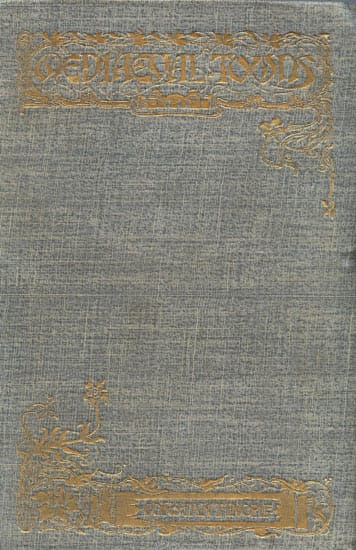
Constantinople: The Story of the Old Capital of the Empire
Hutton wrote this love letter to a city that bridged two continents and two millennia. Constantinople occupies one of the most extraordinary strategic positions on earth: a harbor nestled between Asia and Europe where the waters of the Bosphorus meet the Sea of Marmara, a natural fortress that has commanded the trade routes between East and West for nearly three thousand years. The book traces the city's journey from the Greek colony of Byzantium to its transformation under Constantine the Great into the capital of the Roman Empire's eastern half, and ultimately into the heart of Byzantine Christianity and civilization. Hutton, writing in the late Victorian era when the Ottoman Empire still held the city, brings a scholar's precision and a romantic's ardor to his account, drawing on classical sources and his own evident fascination with how geography shapes destiny. The result is less a dry historical chronicle than an evocation of a place that has been conquered, burned, sacked, and resurrected more times than any city should survive. For readers who wonder why this dead capital still haunts the modern imagination, Hutton provides an answer written with genuine awe.
Editions

X-Ray
Roman Emperor who founded Constantinople in 330 AD, transforming Byzantium into the New Rome. He established the city as the eastern capital of the Empire and introduced Christianity as the dominant religion.
Byzantine Emperor (527-565) who rebuilt Constantinople after the Nika riots, constructed Hagia Sophia, and reconquered much of the former Western Roman Empire. Known as 'the Great' for his military conquests, legal reforms, and architectural achievements.
Empress and wife of Justinian I, known for her intelligence, political acumen, and courage during the Nika riots. Rose from humble origins to become one of the most powerful women in Byzantine history.
Ottoman Sultan who conquered Constantinople in 1453, ending the Byzantine Empire. Known for his military genius, ruthless determination, and transformation of the city into the capital of the Ottoman Empire.
About Constantinople: The Story of the Old Capital of the Empire
Chapter Summaries
- I
- Traces Constantinople's history from its founding as Byzantium through Constantine's establishment of the New Rome to the Latin conquest in 1204. Covers the great emperors, religious controversies, architectural achievements, and military struggles that defined the Byzantine period.
- II
- Chronicles the Ottoman conquest of 1453 and the transformation of the city under Turkish rule. Describes the rise and decline of Ottoman power, the role of the Janissaries, and attempts at modernization culminating in Mahmûd II's reforms.
- III
- Examines the surviving Christian churches of Constantinople, focusing on their architectural significance and historical importance. Discusses the development of Byzantine architecture and the fate of churches under Ottoman rule.
Key Themes
- Rise and Fall of Empires
- The book chronicles the transformation of Constantinople from the capital of the mighty Byzantine Empire to the seat of Ottoman power. It demonstrates how even the greatest civilizations are subject to decline and conquest by new forces.
- Religious Conflict and Transformation
- The city's history is marked by theological controversies, the split between Eastern and Western Christianity, and the ultimate triumph of Islam. Religious identity becomes inseparable from political and cultural identity.
- East Meets West
- Constantinople served as the bridge between Europe and Asia, Christianity and Islam, ancient and medieval worlds. The city's unique position made it a melting pot of cultures and civilizations.
Characters
- Constantine the Great(protagonist)
- Roman Emperor who founded Constantinople in 330 AD, transforming Byzantium into the New Rome. He established the city as the eastern capital of the Empire and introduced Christianity as the dominant religion.
- Justinian I(protagonist)
- Byzantine Emperor (527-565) who rebuilt Constantinople after the Nika riots, constructed Hagia Sophia, and reconquered much of the former Western Roman Empire. Known as 'the Great' for his military conquests, legal reforms, and architectural achievements.
- Theodora(major)
- Empress and wife of Justinian I, known for her intelligence, political acumen, and courage during the Nika riots. Rose from humble origins to become one of the most powerful women in Byzantine history.
- Mohammed II (the Conqueror)(antagonist)
- Ottoman Sultan who conquered Constantinople in 1453, ending the Byzantine Empire. Known for his military genius, ruthless determination, and transformation of the city into the capital of the Ottoman Empire.
- Constantine XII Palæologus(protagonist)
- Last Byzantine Emperor who died defending Constantinople in 1453. Showed great courage and determination in the final siege, refusing to surrender the city to the Ottomans.
- Belisarius(major)
- Greatest general of Justinian's reign, reconquered Italy, North Africa, and parts of Spain. Celebrated triumphs in the Hippodrome and remained loyal to Justinian despite political intrigues.
Link to this book
Add a free, dofollow link to Lex on your blog, forum, syllabus, or reading list.

<a href="https://lex-books.com/book/constantinople-the-story-of-the-old-capital-of-the-empire-79fa65e9-f738-45ed-8711-3e42d92d1449"><img src="https://lex-books.com/badges/read-on-lex.svg" alt="Read Constantinople: The Story of the Old Capital of the Empire by William Holden Hutton free on Lex" width="160" height="40"></a>[](https://lex-books.com/book/constantinople-the-story-of-the-old-capital-of-the-empire-79fa65e9-f738-45ed-8711-3e42d92d1449)[url=https://lex-books.com/book/constantinople-the-story-of-the-old-capital-of-the-empire-79fa65e9-f738-45ed-8711-3e42d92d1449][img]https://lex-books.com/badges/read-on-lex.svg[/img][/url]Read Constantinople: The Story of the Old Capital of the Empire by William Holden Hutton free on Lex: https://lex-books.com/book/constantinople-the-story-of-the-old-capital-of-the-empire-79fa65e9-f738-45ed-8711-3e42d92d1449Cite this book
Reading this edition for a paper or guide? Copy a citation.
Hutton, William Holden. Constantinople: The Story of the Old Capital of the Empire. Lex, lex-books.com/book/constantinople-the-story-of-the-old-capital-of-the-empire-79fa65e9-f738-45ed-8711-3e42d92d1449.Hutton, W. H. (n.d.). Constantinople: The Story of the Old Capital of the Empire. Lex. https://lex-books.com/book/constantinople-the-story-of-the-old-capital-of-the-empire-79fa65e9-f738-45ed-8711-3e42d92d1449Hutton, William Holden. Constantinople: The Story of the Old Capital of the Empire. Lex. https://lex-books.com/book/constantinople-the-story-of-the-old-capital-of-the-empire-79fa65e9-f738-45ed-8711-3e42d92d1449.