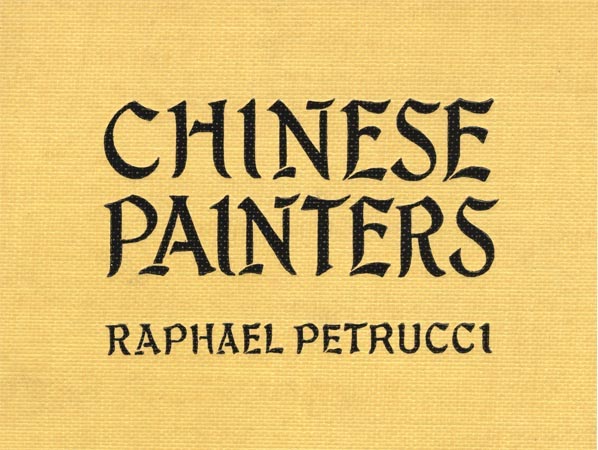
Raphaël Petrucci's 1910 study arrives at a remarkable moment in East-West cultural exchange, when Western critics first began taking Chinese painting seriously as a sophisticated tradition rather than exotic curiosity. What makes this work enduring is its refusal to measure Chinese art against European benchmarks. Instead, Petrucci argues for understanding painting as a practice inseparable from calligraphy, philosophy, and a fundamentally different relationship between artist and nature. He explores how brushwork carries spiritual weight, how the ideographic nature of Chinese writing infuses imagery with conceptual depth, and how masters achieved mastery not through realistic replication but through捕捉 the essence of their subjects. The book traces the evolution of styles while consistently asking what makes this tradition distinct and worthy of serious study on its own terms. Petrucci writes with evident admiration but also with analytical rigor, making this essential reading for anyone seeking to understand how radically different aesthetic premises can produce equally profound art.