Children of the Night
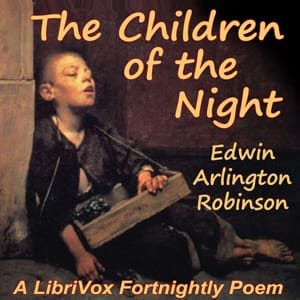
Edwin Arlington Robinson's 1897 poetry collection contains some of the most psychologically haunting verses in American literature. The title poem, 'Children of the Night,' is a devastating dramatic monologue in which a dying man confronts his doctor with quiet, terrifying clarity: he knows his time is slipping away, and he has come not for false comfort but for honest reckoning. Robinson writes with a scalpel's precision about loneliness, alienation, and the American condition - that peculiar modern ache of existing alongside others while remaining fundamentally unreachable. These are poems written in the margins of Gilded Age America, where industrial progress masked profound spiritual poverty. Robinson's gift is making the reader feel like that dying man in the doctor's office: uncomfortable, exposed, but strangely grateful for the unflinching company. The verses ripple with tension between what we desire and what time permits. For readers who believe poetry must earn its emotion through exactitude rather than sentiment, this collection remains essential. It is slim but relentless, quietly devastating, the kind of book you return to when language about mortality needs to be true.
Editions


Read by
Group Narration
13 readers
Bruce Kachuk, Owlivia, Inkell, Kerry Adams +9 more
Link to this book
Add a free, dofollow link to Lex on your blog, forum, syllabus, or reading list.

<a href="https://lex-books.com/book/children-of-the-night-1a52c87c-c89e-45b2-987f-f17b8be196c7"><img src="https://lex-books.com/badges/read-on-lex.svg" alt="Read Children of the Night by Edwin Arlington Robinson free on Lex" width="160" height="40"></a>[](https://lex-books.com/book/children-of-the-night-1a52c87c-c89e-45b2-987f-f17b8be196c7)[url=https://lex-books.com/book/children-of-the-night-1a52c87c-c89e-45b2-987f-f17b8be196c7][img]https://lex-books.com/badges/read-on-lex.svg[/img][/url]Read Children of the Night by Edwin Arlington Robinson free on Lex: https://lex-books.com/book/children-of-the-night-1a52c87c-c89e-45b2-987f-f17b8be196c7Cite this book
Reading this edition for a paper or guide? Copy a citation.
Robinson, Edwin Arlington. Children of the Night. Lex, lex-books.com/book/children-of-the-night-1a52c87c-c89e-45b2-987f-f17b8be196c7.Robinson, E. A. (n.d.). Children of the Night. Lex. https://lex-books.com/book/children-of-the-night-1a52c87c-c89e-45b2-987f-f17b8be196c7Robinson, Edwin Arlington. Children of the Night. Lex. https://lex-books.com/book/children-of-the-night-1a52c87c-c89e-45b2-987f-f17b8be196c7.



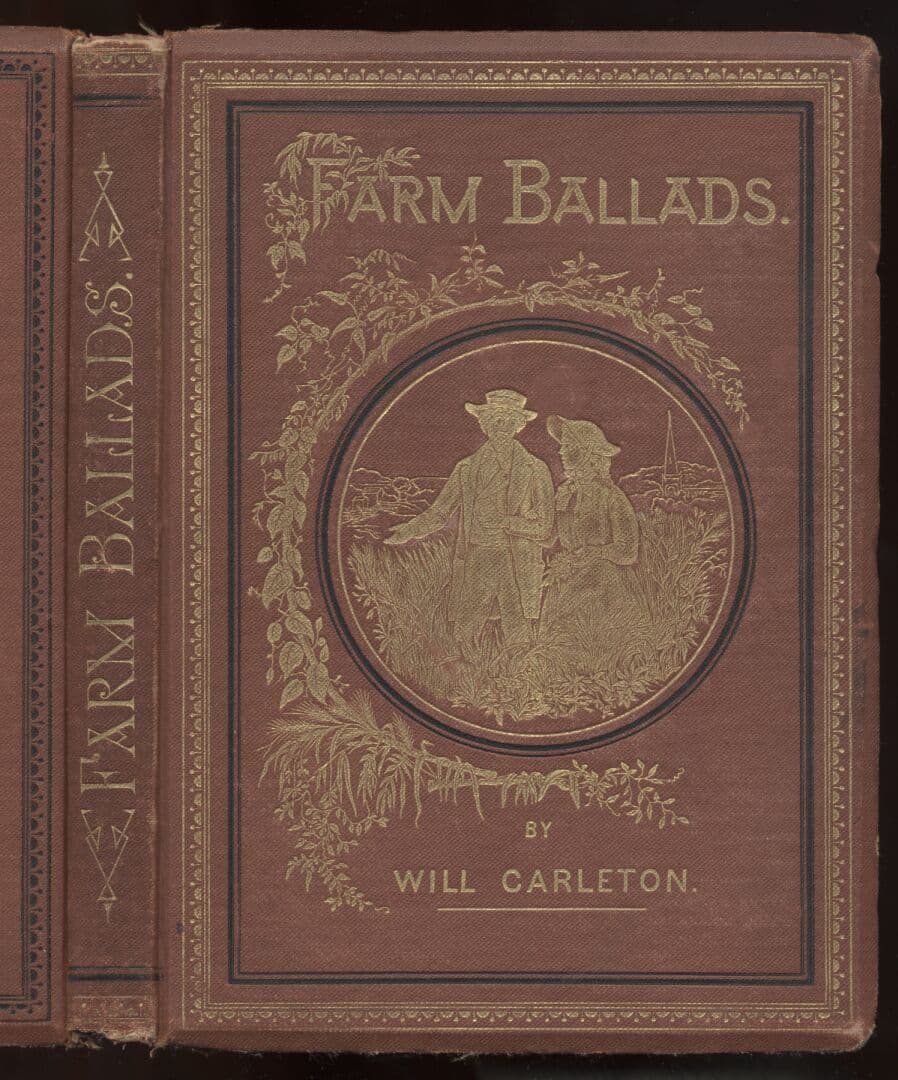
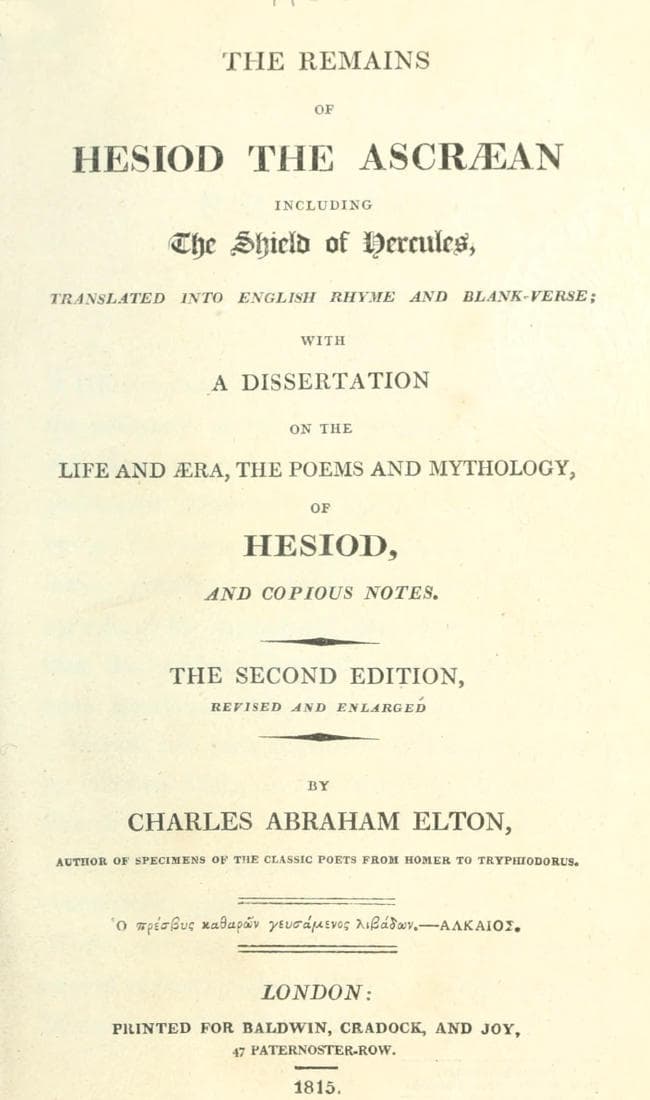
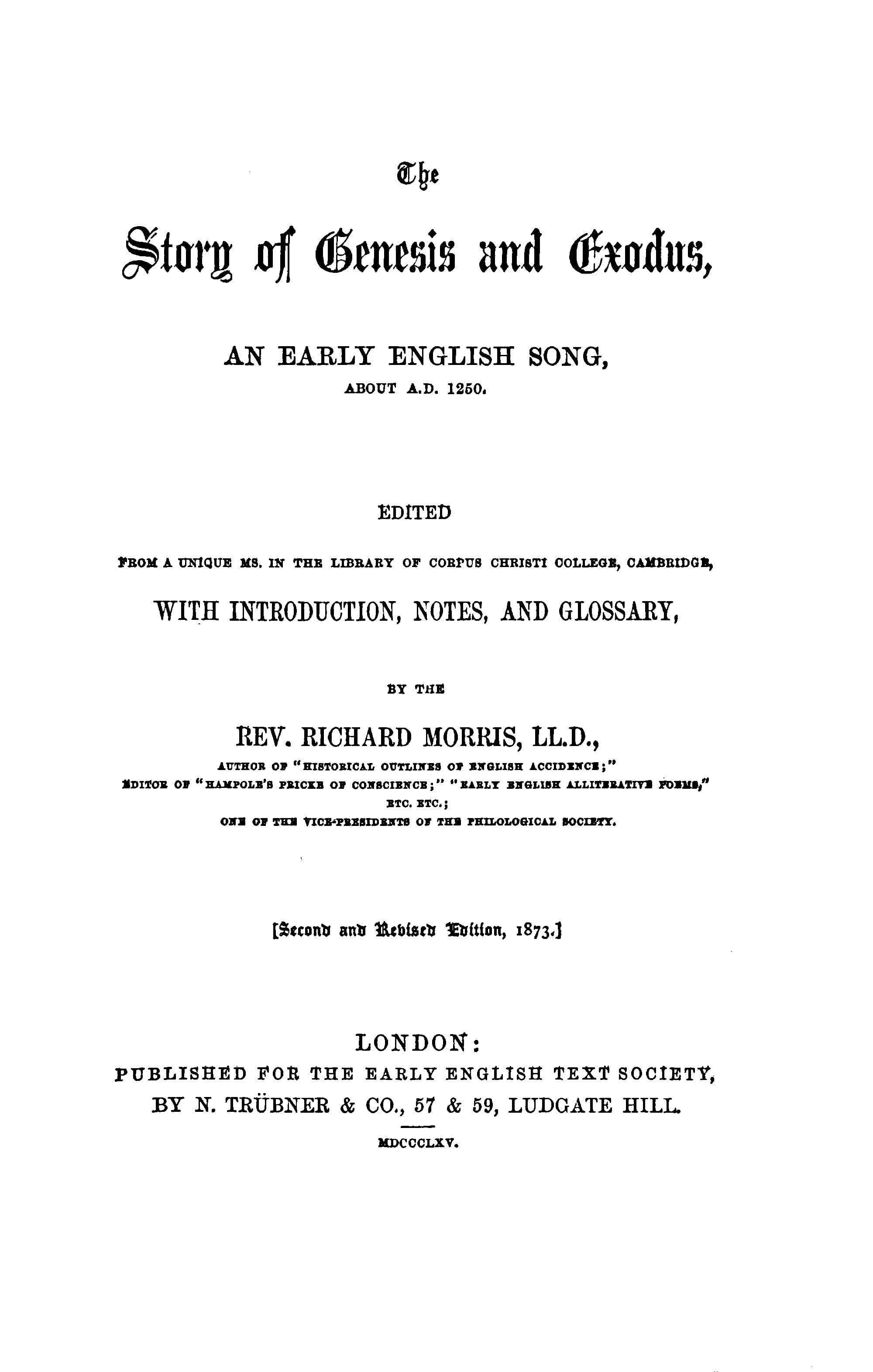
![Birds and Nature, Vol. 12 No. 1 [June 1902]illustrated by Color Photography](/_next/image?url=https%3A%2F%2Fd3b2n8gj62qnwr.cloudfront.net%2FCOVERS%2Fgutenberg_covers75k%2Febook-47881.png&w=3840&q=75)