Charles the Bold, Last Duke of Burgundy, 1433-1477
Charles the Bold, Last Duke of Burgundy, 1433-1477
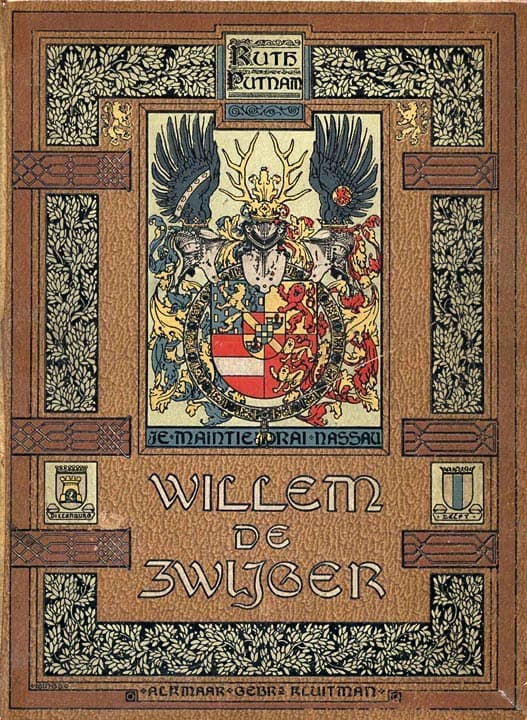
In the twilight of the Middle Ages, one man dared to build a kingdom from the shards of empire. Charles the Bold, last Duke of Burgundy, ruled a territory so vast and wealthy that it dwarfed the kingdoms around it, a realm spanning from the Low Countries to the gates of Switzerland, a jewel in the heart of medieval Europe. Ruth Putnam's masterly biography captures both the man and his tumultuous moment in history: a turning point when the old feudal order was dying and the modern nation-state was being born. Charles pursued an impossible dream, to transform his duchies into a sovereign kingdom that would stand between France and the Holy Roman Empire. His wars, his alliances, his glittering court at Dijon all serve Putnam's larger argument about an age in transition, when the medieval world was giving way to something new. The book traces his upbringing under the great Philip the Good, his inheritance of an unmatched collection of territories, and his fatal miscalculations that led to his death at Nancy in 1477. Putnam writes with the flair of a novelist and the precision of a scholar, making this the definitive portrait of a man whose ambition was as vast as his ultimate failure.
Editions
X-Ray
Duke of Burgundy (1433-1477), ambitious and impetuous ruler who sought to establish a kingdom between France and Germany. Known for his military prowess, administrative reforms, and ultimately fatal overreach in his territorial ambitions.
Duke of Burgundy (1396-1467), Charles's father who built the Burgundian state into a major European power. Known for his diplomatic skill, cultural patronage, and the founding of the Order of the Golden Fleece.
King of France (1423-1483), cunning and manipulative monarch who sought to centralize French power and reduce the independence of great feudal lords like Charles. Former refugee at the Burgundian court.
Duchess of Burgundy, Charles's mother who influenced his Portuguese appearance and character. Deeply religious woman who often mediated between father and son during their conflicts.
About Charles the Bold, Last Duke of Burgundy, 1433-1477
Chapter Summaries
- 1
- Charles is born in 1433 and immediately inducted into the Order of the Golden Fleece as an infant. His early education under the Seigneur d'Auxy emphasizes military skills and classical history, particularly Alexander the Great.
- 2
- Charles's adolescence includes his first tournament at age seventeen and his betrothal to Catherine of France. The chapter covers Philip's various military campaigns and Charles's growing involvement in governance.
- 3
- Philip's elaborate 1454 banquet where vows are made for a crusade against the Turks. Charles makes his first formal vow of service, and the chapter details the magnificent entertainment and political theater.
Key Themes
- Ambition and Overreach
- Charles's relentless pursuit of royal status and territorial expansion ultimately leads to his downfall. His ambitions exceed his resources and political acumen, demonstrating the dangers of unchecked aspiration.
- Feudalism vs. Centralization
- The fundamental conflict between medieval feudal independence and emerging centralized monarchy. Charles represents the last great feudal lord resisting the tide of royal consolidation embodied by Louis XI.
- Diplomacy and Deception
- The complex web of medieval diplomacy where treaties are made to be broken and alliances shift constantly. Louis XI's cunning manipulation contrasts with Charles's more straightforward but ultimately naive approach.
Characters
- Charles the Bold(protagonist)
- Duke of Burgundy (1433-1477), ambitious and impetuous ruler who sought to establish a kingdom between France and Germany. Known for his military prowess, administrative reforms, and ultimately fatal overreach in his territorial ambitions.
- Philip the Good(major)
- Duke of Burgundy (1396-1467), Charles's father who built the Burgundian state into a major European power. Known for his diplomatic skill, cultural patronage, and the founding of the Order of the Golden Fleece.
- Louis XI(antagonist)
- King of France (1423-1483), cunning and manipulative monarch who sought to centralize French power and reduce the independence of great feudal lords like Charles. Former refugee at the Burgundian court.
- Isabella of Portugal(major)
- Duchess of Burgundy, Charles's mother who influenced his Portuguese appearance and character. Deeply religious woman who often mediated between father and son during their conflicts.
- Margaret of York(major)
- Sister of Edward IV of England, became Charles's second wife in 1468. The marriage sealed the Anglo-Burgundian alliance against France.
- Mary of Burgundy(major)
- Charles's daughter and sole legitimate heir, born in 1457. Her future marriage became a crucial diplomatic tool and source of European intrigue.
Link to this book
Add a free, dofollow link to Lex on your blog, forum, syllabus, or reading list.

<a href="https://lex-books.com/book/charles-the-bold-last-duke-of-burgundy-1433-1477-de1dfc06-1358-4c27-b8bd-2140abe3752e"><img src="https://lex-books.com/badges/read-on-lex.svg" alt="Read Charles the Bold, Last Duke of Burgundy, 1433-1477 by Ruth Putnam free on Lex" width="160" height="40"></a>[](https://lex-books.com/book/charles-the-bold-last-duke-of-burgundy-1433-1477-de1dfc06-1358-4c27-b8bd-2140abe3752e)[url=https://lex-books.com/book/charles-the-bold-last-duke-of-burgundy-1433-1477-de1dfc06-1358-4c27-b8bd-2140abe3752e][img]https://lex-books.com/badges/read-on-lex.svg[/img][/url]Read Charles the Bold, Last Duke of Burgundy, 1433-1477 by Ruth Putnam free on Lex: https://lex-books.com/book/charles-the-bold-last-duke-of-burgundy-1433-1477-de1dfc06-1358-4c27-b8bd-2140abe3752eCite this book
Reading this edition for a paper or guide? Copy a citation.
Putnam, Ruth. Charles the Bold, Last Duke of Burgundy, 1433-1477. Lex, lex-books.com/book/charles-the-bold-last-duke-of-burgundy-1433-1477-de1dfc06-1358-4c27-b8bd-2140abe3752e.Putnam, R. (n.d.). Charles the Bold, Last Duke of Burgundy, 1433-1477. Lex. https://lex-books.com/book/charles-the-bold-last-duke-of-burgundy-1433-1477-de1dfc06-1358-4c27-b8bd-2140abe3752ePutnam, Ruth. Charles the Bold, Last Duke of Burgundy, 1433-1477. Lex. https://lex-books.com/book/charles-the-bold-last-duke-of-burgundy-1433-1477-de1dfc06-1358-4c27-b8bd-2140abe3752e.