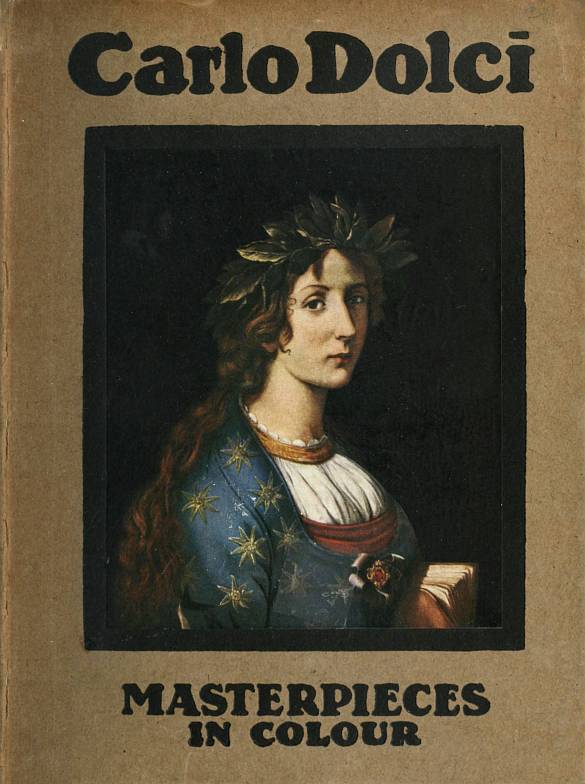
Carlo Dolci
1908
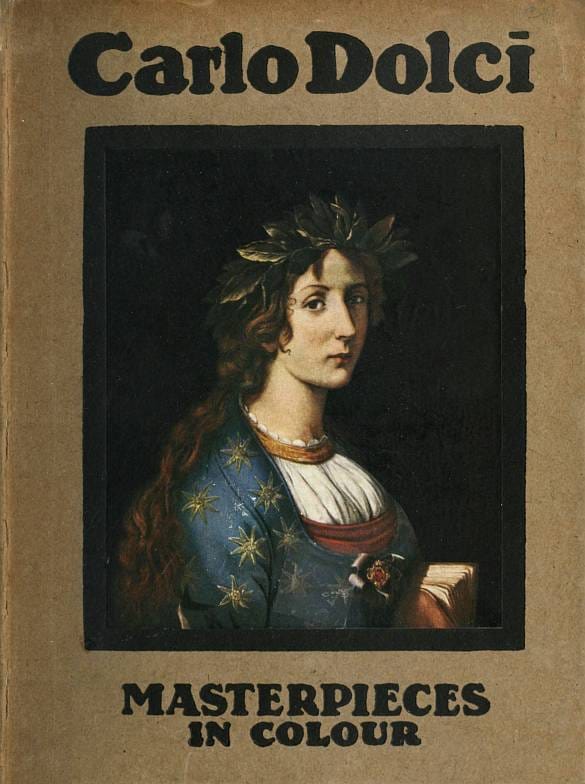
Carlo Dolci was already a relic in his own time, a painter who clung to Renaissance ideals of beauty and religious devotion while the Baroque revolution swept through Italy. George Hay's 1908 study traces the life of this Florentine artist whose painstakingly detailed canvases, often repeated in multiple versions, earned him fame yet also criticism for lacking the dramatic innovation of his contemporaries. The book situates Dolci within the cultural tapestry of 17th-century Florence, exploring how a painter of genuine technical mastery became marginalized by art historical narrative. Hay presents Dolci not as a great innovator but as something perhaps more interesting: a sincere artist whose unwavering dedication to beauty and moral ideals offers a window into a particular moment when the old world was giving way to the new. The three-part structure moves from artistic context to biography to critical examination of the works themselves, including discussions of his religious paintings and portraits. For readers interested in the undercurrents of art history, the artists who were celebrated in their lifetimes yet forgotten by posterity, this slender volume offers a nuanced portrait of craftsmanship at the crossroads of tradition and modernity.
Editions

Link to this book
Add a free, dofollow link to Lex on your blog, forum, syllabus, or reading list.

<a href="https://lex-books.com/book/carlo-dolci-41700377-f7b5-45fd-a03e-73c573cdeede"><img src="https://lex-books.com/badges/read-on-lex.svg" alt="Read Carlo Dolci by George Hay free on Lex" width="160" height="40"></a>[](https://lex-books.com/book/carlo-dolci-41700377-f7b5-45fd-a03e-73c573cdeede)[url=https://lex-books.com/book/carlo-dolci-41700377-f7b5-45fd-a03e-73c573cdeede][img]https://lex-books.com/badges/read-on-lex.svg[/img][/url]Read Carlo Dolci by George Hay free on Lex: https://lex-books.com/book/carlo-dolci-41700377-f7b5-45fd-a03e-73c573cdeedeCite this book
Reading this edition for a paper or guide? Copy a citation.
Hay, George. Carlo Dolci. Lex, lex-books.com/book/carlo-dolci-41700377-f7b5-45fd-a03e-73c573cdeede.Hay, G. (1908). Carlo Dolci. Lex. https://lex-books.com/book/carlo-dolci-41700377-f7b5-45fd-a03e-73c573cdeedeHay, George. Carlo Dolci. Lex. https://lex-books.com/book/carlo-dolci-41700377-f7b5-45fd-a03e-73c573cdeede.