Canti

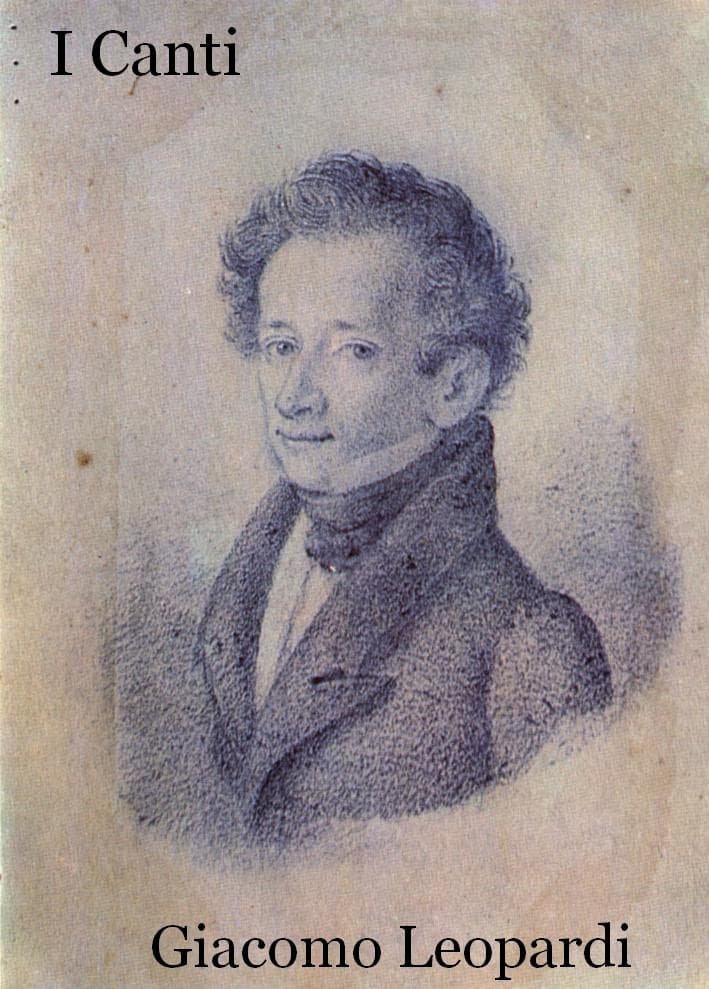
Canti is the monumental poetic achievement of Giacomo Leopardi, the philosopher-poet who reshaped Italian literature in the early nineteenth century. Though the collection arrived in 1835 wrapped in the garments of Petrarchan form, it contained something radically new: a poetry of devastating honesty about the human condition. Leopardi confronts the fundamental predicament of existence, the relentless pursuit of pleasure, the certainty of disappointment, the fleeting nature of beauty, with a precision and emotional power that feels less like literature and more like confession. The collection moves from intimate lyrical meditations on memory and desire to fierce political prophecies lamenting Italy's spiritual and civic decay. Yet what distinguishes Canti from mere pessimism is its paradoxical beauty. In poems like "L'infinito," the infinite itself becomes a source of sublime consolation; in the great "Canto notturno," a shepherd's lament for the suffering woven into the fabric of the universe somehow achieves terrible grace. This is poetry that refuses comfortable illusions yet finds in that refusal a strange, austere freedom. It is for readers who want verse that does not flinch.
Editions

Link to this book
Add a free, dofollow link to Lex on your blog, forum, syllabus, or reading list.

<a href="https://lex-books.com/book/canti-5e1523d0-4793-4448-b2ca-dcee8c881876"><img src="https://lex-books.com/badges/read-on-lex.svg" alt="Read Canti by Giacomo Leopardi free on Lex" width="160" height="40"></a>[](https://lex-books.com/book/canti-5e1523d0-4793-4448-b2ca-dcee8c881876)[url=https://lex-books.com/book/canti-5e1523d0-4793-4448-b2ca-dcee8c881876][img]https://lex-books.com/badges/read-on-lex.svg[/img][/url]Read Canti by Giacomo Leopardi free on Lex: https://lex-books.com/book/canti-5e1523d0-4793-4448-b2ca-dcee8c881876Cite this book
Reading this edition for a paper or guide? Copy a citation.
Leopardi, Giacomo. Canti. Lex, lex-books.com/book/canti-5e1523d0-4793-4448-b2ca-dcee8c881876.Leopardi, G. (n.d.). Canti. Lex. https://lex-books.com/book/canti-5e1523d0-4793-4448-b2ca-dcee8c881876Leopardi, Giacomo. Canti. Lex. https://lex-books.com/book/canti-5e1523d0-4793-4448-b2ca-dcee8c881876.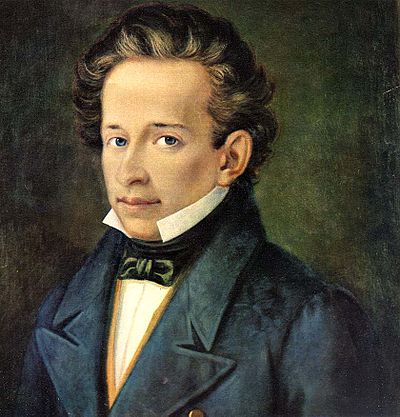




![Birds and Nature, Vol. 12 No. 1 [June 1902]illustrated by Color Photography](/_next/image?url=https%3A%2F%2Fd3b2n8gj62qnwr.cloudfront.net%2FCOVERS%2Fgutenberg_covers75k%2Febook-47881.png&w=3840&q=75)