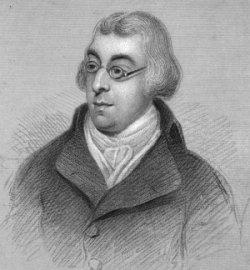
Calamities and Quarrels of Authors
1680
This 1680 treatise stands as one of the first sustained English inquiries into the social and economic fortunes of writers. Isaac Disraeli, father of a future Prime Minister, writes with a mixture of empathy and dry amusement as he catalogs authorial suffering across the centuries: poverty, neglect, querulous patrons, the precariousness of a writer's existence. Drawing on Renaissance scholars like Pierius Valerianus and classical sources, Disraeli argues that the writer's lot has changed little over time. He chronicles the complaints of writers from antiquity through his own era, revealing that financial desperation and uncertain reputation have always been the writer's companions. The work anticipates modern debates about the value of literature and the economics of authorship, making it a surprisingly contemporary read despite its age. For anyone curious about the historical struggles of authorship, or seeking context for today's conversations about creative labor, this early portrait remains illuminating and oddly reassuring: the difficulties of being a writer are not new.
Editions
Link to this book
Add a free, dofollow link to Lex on your blog, forum, syllabus, or reading list.

<a href="https://lex-books.com/book/calamities-and-quarrels-of-authors-683a37ca-2570-4bdf-a34c-1470a2b4c5a1"><img src="https://lex-books.com/badges/read-on-lex.svg" alt="Read Calamities and Quarrels of Authors by Isaac Disraeli free on Lex" width="160" height="40"></a>[](https://lex-books.com/book/calamities-and-quarrels-of-authors-683a37ca-2570-4bdf-a34c-1470a2b4c5a1)[url=https://lex-books.com/book/calamities-and-quarrels-of-authors-683a37ca-2570-4bdf-a34c-1470a2b4c5a1][img]https://lex-books.com/badges/read-on-lex.svg[/img][/url]Read Calamities and Quarrels of Authors by Isaac Disraeli free on Lex: https://lex-books.com/book/calamities-and-quarrels-of-authors-683a37ca-2570-4bdf-a34c-1470a2b4c5a1Cite this book
Reading this edition for a paper or guide? Copy a citation.
Disraeli, Isaac. Calamities and Quarrels of Authors. Lex, lex-books.com/book/calamities-and-quarrels-of-authors-683a37ca-2570-4bdf-a34c-1470a2b4c5a1.Disraeli, I. (1680). Calamities and Quarrels of Authors. Lex. https://lex-books.com/book/calamities-and-quarrels-of-authors-683a37ca-2570-4bdf-a34c-1470a2b4c5a1Disraeli, Isaac. Calamities and Quarrels of Authors. Lex. https://lex-books.com/book/calamities-and-quarrels-of-authors-683a37ca-2570-4bdf-a34c-1470a2b4c5a1.