Bible (ASV) 28: Hosea
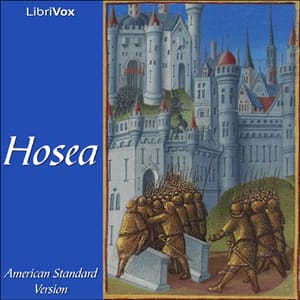
The Book of Hosea stands as one of the most emotionally devastating and intimately radical prophetic texts in scripture. In the 8th century BCE, God commands the prophet Hosea to marry Gomer, a woman of proven unfaithfulness, and from this broken domestic union springs one of the most powerful metaphors in religious literature: God as a betrayed husband, Israel as the wayward wife, and love that refuses to abandon even when it must punish. Through Hosea's own wounded heart, the ancient world witnessed a God who weeps, who pleads, who names betrayal as spiritual adultery, and who nevertheless holds open the door to reconciliation. The book roams from scorching indictment of Israel's political treachery and idol worship to tender verses of impossible grace, culminating in a final appeal for return that has echoed through millennia of Jewish and Christian reflection. This is prophecy not as distant oracle but as visceral, bleeding reality lived in a prophet's flesh.
Editions

Link to this book
Add a free, dofollow link to Lex on your blog, forum, syllabus, or reading list.

<a href="https://lex-books.com/book/bible-asv-28-hosea-198d9c0d-c2fa-48d7-825d-f31b8325de9e"><img src="https://lex-books.com/badges/read-on-lex.svg" alt="Read Bible (ASV) 28: Hosea by American Standard Version free on Lex" width="160" height="40"></a>[](https://lex-books.com/book/bible-asv-28-hosea-198d9c0d-c2fa-48d7-825d-f31b8325de9e)[url=https://lex-books.com/book/bible-asv-28-hosea-198d9c0d-c2fa-48d7-825d-f31b8325de9e][img]https://lex-books.com/badges/read-on-lex.svg[/img][/url]Read Bible (ASV) 28: Hosea by American Standard Version free on Lex: https://lex-books.com/book/bible-asv-28-hosea-198d9c0d-c2fa-48d7-825d-f31b8325de9eCite this book
Reading this edition for a paper or guide? Copy a citation.
Version, American Standard. Bible (ASV) 28: Hosea. Lex, lex-books.com/book/bible-asv-28-hosea-198d9c0d-c2fa-48d7-825d-f31b8325de9e.Version, A. S. (n.d.). Bible (ASV) 28: Hosea. Lex. https://lex-books.com/book/bible-asv-28-hosea-198d9c0d-c2fa-48d7-825d-f31b8325de9eVersion, American Standard. Bible (ASV) 28: Hosea. Lex. https://lex-books.com/book/bible-asv-28-hosea-198d9c0d-c2fa-48d7-825d-f31b8325de9e.