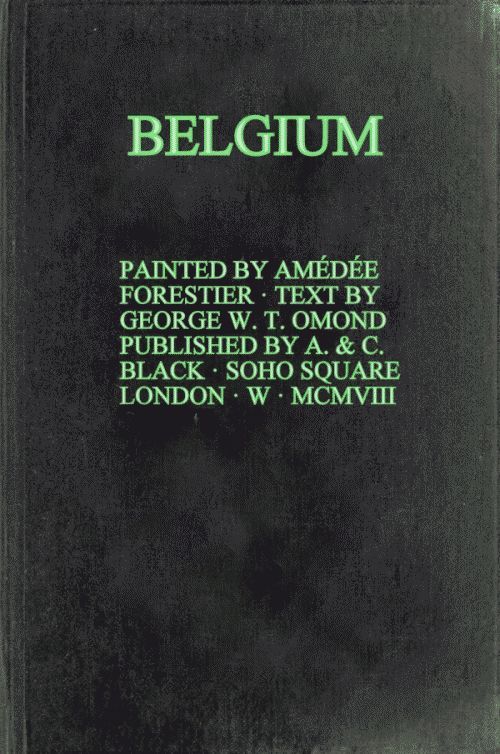
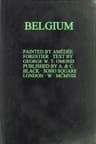
Belgium
1908
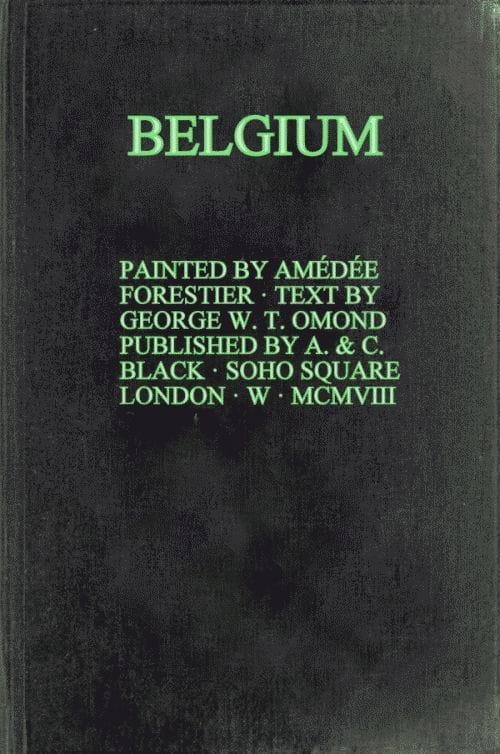
A luminous portrait of Bruges, the medieval city that rose from humble marshland settlements to become the Florence of the North. George W. T. Omond, writing in 1908, guides readers through Bruges' market squares and Gothic spires with the reverence of a pilgrim and the precision of a scholar. The Belfry towers over the narrative like a silent chronicler, having watched this city transform from a fortified trading post into the economic heart of medieval Europe, then slip into a centuries-long slumber that preserved its architectural wonders for the ages. Omond traces the strategic genius of theCounts of Flanders who harnessed the Zwin estuary to make Bruges a nexus of wool, cloth, and silver trade, while chronicling the political upheavals and social currents that shaped the region's complex identity. This is not mere guidebook history, but a meditation on how cities breathe and endure, how stone and memory conspire to keep the past alive. For readers who cherish the romance of old Europe, who want to understand how a small Belgian city once commanded the financial destiny of continents, Omond's account remains an indispensable companion.
Editions
Link to this book
Add a free, dofollow link to Lex on your blog, forum, syllabus, or reading list.

<a href="https://lex-books.com/book/belgium-cd6d09e3-15b9-43c9-933b-429ebc74bd28"><img src="https://lex-books.com/badges/read-on-lex.svg" alt="Read Belgium by George W. T. Omond free on Lex" width="160" height="40"></a>[](https://lex-books.com/book/belgium-cd6d09e3-15b9-43c9-933b-429ebc74bd28)[url=https://lex-books.com/book/belgium-cd6d09e3-15b9-43c9-933b-429ebc74bd28][img]https://lex-books.com/badges/read-on-lex.svg[/img][/url]Read Belgium by George W. T. Omond free on Lex: https://lex-books.com/book/belgium-cd6d09e3-15b9-43c9-933b-429ebc74bd28Cite this book
Reading this edition for a paper or guide? Copy a citation.
Omond, George W. T.. Belgium. Lex, lex-books.com/book/belgium-cd6d09e3-15b9-43c9-933b-429ebc74bd28.Omond, G. W. T. (1908). Belgium. Lex. https://lex-books.com/book/belgium-cd6d09e3-15b9-43c9-933b-429ebc74bd28Omond, George W. T.. Belgium. Lex. https://lex-books.com/book/belgium-cd6d09e3-15b9-43c9-933b-429ebc74bd28.