Babylonian-Assyrian Birth-Omens and Their Cultural Significance
Babylonian-Assyrian Birth-Omens and Their Cultural Significance
Morris Jastrow's landmark study unravels one of the most intriguing aspects of ancient Mesopotamian civilization: the sophisticated system of birth omens that shaped Babylonian and Assyrian life. Rather than dismissing these practices as mere superstition, Jastrow reveals them as a complex intellectual framework through which ancient peoples sought to decode the hidden order of the universe. The book examines how abnormalities observed at the moment of birth, in both humans and animals, were meticulously recorded, classified, and interpreted as signals of future events, from individual fates to the rise and fall of kings. Jastrow traces the foundational methods of divination, including hepatoscopy (reading the liver) and astrology, showing how birth omens fit within a broader cultural obsession with reading cosmic signs. The result is not simply a catalog of ancient beliefs but a window into a civilization that saw every unusual occurrence as a potential message from the divine, attempting to bridge the gap between mortal uncertainty and the quest for predictive knowledge.
Editions
X-Ray
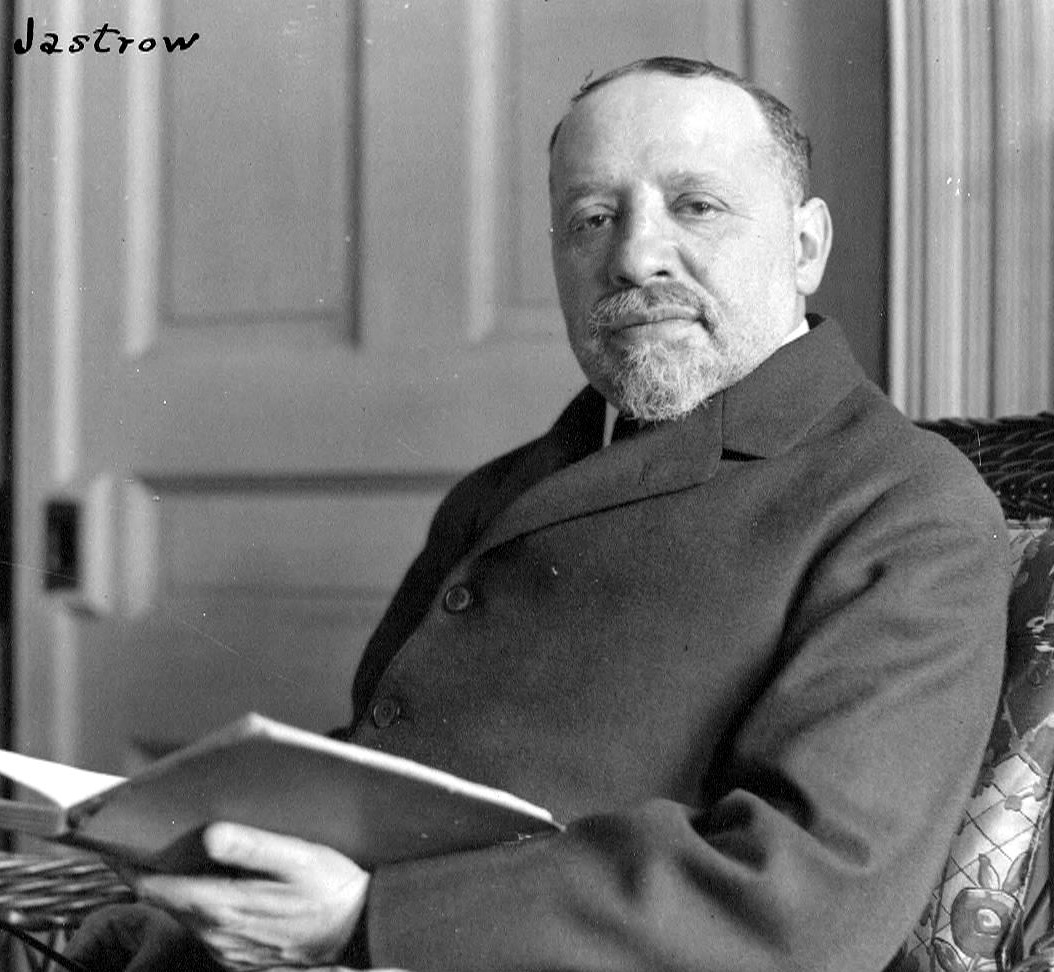
The author and primary scholar conducting this comprehensive analysis of Babylonian-Assyrian divination practices. He serves as the analytical voice throughout, drawing connections between ancient practices and their cultural significance.
The ancient diviners who developed elaborate systems of birth-omen interpretation. They created extensive collections of omens and their meanings, serving as the foundation for this entire study.
Assyrian ruler whose library preserved the cuneiform tablets containing birth-omen texts. His collection serves as the primary source material for understanding these ancient practices.
A specific bârû-priest who made official reports during Esarhaddon's reign. He represents the practical application of birth-omen interpretation in royal courts.
About Babylonian-Assyrian Birth-Omens and Their Cultural Significance
Chapter Summaries
- I
- Jastrow introduces the three primary Babylonian-Assyrian divination methods: hepatoscopy (liver inspection), astrology, and birth-omens. He explains their theoretical foundations and their spread to other cultures including Hittites, Etruscans, Greeks, Romans, and possibly China.
- II
- The author explores the psychological and cultural basis for birth-omen interpretation, connecting it to universal human fascination with the mystery of new life and transition periods. He discusses how birth customs and religious rites reflect these deep-seated concerns.
- III
- Jastrow describes the cuneiform tablet collections from Ashurbanapal's library, explaining how these texts served as handbooks for divination priests. He discusses the mixture of actual observations and fanciful elaborations in these collections.
Key Themes
- Evolution of Human Knowledge
- The work traces how primitive superstitions about birth anomalies gradually evolved into more sophisticated forms of inquiry, ultimately leading to modern scientific disciplines like anatomy, astronomy, and teratology.
- Cultural Transmission
- Jastrow demonstrates how Babylonian-Assyrian divination practices spread across cultures and time periods, influencing Greek, Roman, and European thought for millennia.
- The Power of Resemblance
- The human tendency to see resemblances between different forms of life becomes a driving force in the development of both superstitious beliefs and early scientific observation.
Characters
- Morris Jastrow(protagonist)
- The author and primary scholar conducting this comprehensive analysis of Babylonian-Assyrian divination practices. He serves as the analytical voice throughout, drawing connections between ancient practices and their cultural significance.
- Babylonian-Assyrian bârû-priests(major)
- The ancient diviners who developed elaborate systems of birth-omen interpretation. They created extensive collections of omens and their meanings, serving as the foundation for this entire study.
- Ashurbanapal(major)
- Assyrian ruler whose library preserved the cuneiform tablets containing birth-omen texts. His collection serves as the primary source material for understanding these ancient practices.
- Nergal-eṭir(minor)
- A specific bârû-priest who made official reports during Esarhaddon's reign. He represents the practical application of birth-omen interpretation in royal courts.
- Azag-Bau(minor)
- Ancient female ruler mentioned in birth-omen reports, representing historical validation of the divination system. Her reign was associated with specific monstrous births that were interpreted as omens.
- Giovanni Porta(major)
- 16th-century scholar who wrote extensively on human physiognomy, representing the continuation of ancient birth-omen traditions into European scholarship. His work demonstrates the lasting influence of Babylonian practices.
Link to this book
Add a free, dofollow link to Lex on your blog, forum, syllabus, or reading list.

<a href="https://lex-books.com/book/babylonian-assyrian-birth-omens-and-their-cultural-significance-728172bb-df52-4897-9d97-680f6ce39d63"><img src="https://lex-books.com/badges/read-on-lex.svg" alt="Read Babylonian-Assyrian Birth-Omens and Their Cultural Significance by Morris Jastrow free on Lex" width="160" height="40"></a>[](https://lex-books.com/book/babylonian-assyrian-birth-omens-and-their-cultural-significance-728172bb-df52-4897-9d97-680f6ce39d63)[url=https://lex-books.com/book/babylonian-assyrian-birth-omens-and-their-cultural-significance-728172bb-df52-4897-9d97-680f6ce39d63][img]https://lex-books.com/badges/read-on-lex.svg[/img][/url]Read Babylonian-Assyrian Birth-Omens and Their Cultural Significance by Morris Jastrow free on Lex: https://lex-books.com/book/babylonian-assyrian-birth-omens-and-their-cultural-significance-728172bb-df52-4897-9d97-680f6ce39d63Cite this book
Reading this edition for a paper or guide? Copy a citation.
Jastrow, Morris. Babylonian-Assyrian Birth-Omens and Their Cultural Significance. Lex, lex-books.com/book/babylonian-assyrian-birth-omens-and-their-cultural-significance-728172bb-df52-4897-9d97-680f6ce39d63.Jastrow, M. (n.d.). Babylonian-Assyrian Birth-Omens and Their Cultural Significance. Lex. https://lex-books.com/book/babylonian-assyrian-birth-omens-and-their-cultural-significance-728172bb-df52-4897-9d97-680f6ce39d63Jastrow, Morris. Babylonian-Assyrian Birth-Omens and Their Cultural Significance. Lex. https://lex-books.com/book/babylonian-assyrian-birth-omens-and-their-cultural-significance-728172bb-df52-4897-9d97-680f6ce39d63.