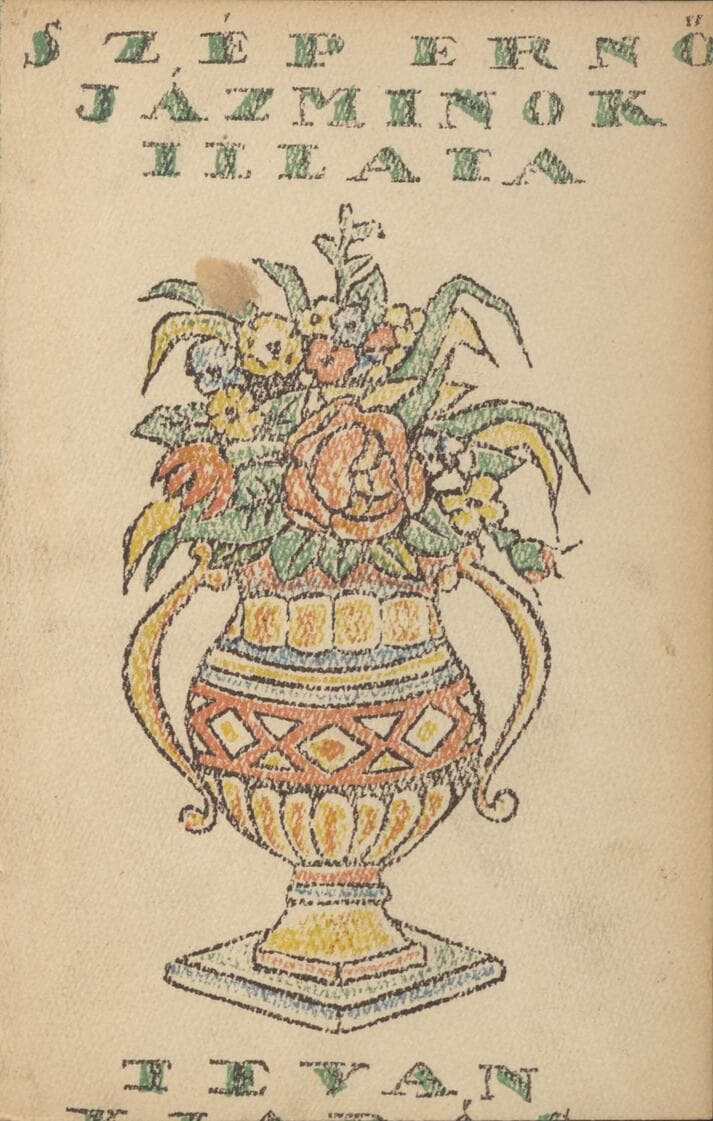
Bűneim
''Bűneim'' by Ernő Szép is a reflective, essay-style collection of personal confessions written in the early 20th century. The book explores themes of guilt, self-examination, and the pervasive sense of moral and existential responsibility. It presents an introspective narrator—most likely the author himself—who scrutinizes his own faults and inadequacies against the backdrop of a turbulent, war-touched society. Through a series of poetic, often painfully honest meditations, the work examines the constant struggle to make sense of oneself and the world. The opening of ''Bűneim'' unfolds as a sequence of impressionistic vignettes centered on the narrator’s inner life. The text begins with a reluctance to speak about war, revealing a desire for invisibility and detachment from society’s judgment. As the narrative proceeds, the author confesses to feeling complicit in society’s wrongs—whether it be through handling money, failing to intervene in injustice, or simply existing in privilege. The tone is confessional and self-critical, moving rapidly from thoughts on shame, guilt, and empathy, to broader existential concerns. The narrator’s ruminations span topics like the inability to communicate true feelings, the corrosiveness of pride and ego, the futility of seeking purity, and the inescapable interconnectedness of all living things—underscored by a persistent questioning of his own identity and capacity for goodness.
Editions
Link to this book
Add a free, dofollow link to Lex on your blog, forum, syllabus, or reading list.

<a href="https://lex-books.com/book/b-neim-5b34d86f-e331-433e-9ed8-03ba88d83512"><img src="https://lex-books.com/badges/read-on-lex.svg" alt="Read Bűneim by Ernő Szép free on Lex" width="160" height="40"></a>[](https://lex-books.com/book/b-neim-5b34d86f-e331-433e-9ed8-03ba88d83512)[url=https://lex-books.com/book/b-neim-5b34d86f-e331-433e-9ed8-03ba88d83512][img]https://lex-books.com/badges/read-on-lex.svg[/img][/url]Read Bűneim by Ernő Szép free on Lex: https://lex-books.com/book/b-neim-5b34d86f-e331-433e-9ed8-03ba88d83512Cite this book
Reading this edition for a paper or guide? Copy a citation.
Szép, Ernő. Bűneim. Lex, lex-books.com/book/b-neim-5b34d86f-e331-433e-9ed8-03ba88d83512.Szép, E. (n.d.). Bűneim. Lex. https://lex-books.com/book/b-neim-5b34d86f-e331-433e-9ed8-03ba88d83512Szép, Ernő. Bűneim. Lex. https://lex-books.com/book/b-neim-5b34d86f-e331-433e-9ed8-03ba88d83512.