Autobiography of Ma-Ka-Tai-Me-She-Kia-Kiak, or Black Hawk
Autobiography of Ma-Ka-Tai-Me-She-Kia-Kiak, or Black Hawk
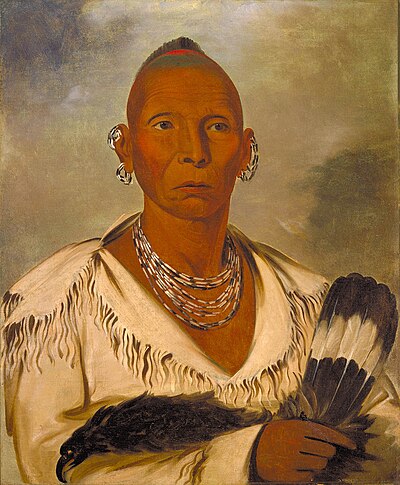
First published in 1833, this is the voice of a vanquished people refusing to be silenced. Black Hawk, Sauk chief, tells his own story in his own words, offering an unflinching account of his life, the traditions of his nation, and the brutal reality of watching his people's lands vanish beneath an advancing tide of settlers. The narrative traces his path from childhood in the Sac village through decades of broken treaties and encroachment, culminating in the tragic Black Hawk War of 1832. What emerges is neither simple hagiography nor bitter screed, but something far more powerful: a dignified, nuanced reckoning with history from the losing side. Black Hawk does not flatter his enemies or pretend his people were without flaws. He simply insists on their humanity, their logic, their right to resist. This is not merely a historical document. It is a testament to survival, a rare window into early nineteenth-century Indigenous life, and an act of defiance that has endured for nearly two centuries.
Editions

X-Ray
“Bad and cruel as our people were treated by the whites, not one of themwas hurt or molested by our band. (...) The whites were complaining at the same time that we were intruding upontheir rights. They made it appear that they were the injured party, andwe the intruders. They called loudly to the great war chief to protecttheir property.How smooth must be the language of the whites, when they can make rightlook like wrong, and wrong like right.””
— Sauk chief Black Hawk
“here a short time, and then started for Jefferson Barracks, in a steam””
— Sauk chief Black Hawk
Link to this book
Add a free, dofollow link to Lex on your blog, forum, syllabus, or reading list.

<a href="https://lex-books.com/book/autobiography-of-ma-ka-tai-me-she-kia-kiak-or-black-hawk-4a563fd3-6784-43bd-b3db-72a44eb92a10"><img src="https://lex-books.com/badges/read-on-lex.svg" alt="Read Autobiography of Ma-Ka-Tai-Me-She-Kia-Kiak, or Black Hawk by Sauk chief Black Hawk free on Lex" width="160" height="40"></a>[](https://lex-books.com/book/autobiography-of-ma-ka-tai-me-she-kia-kiak-or-black-hawk-4a563fd3-6784-43bd-b3db-72a44eb92a10)[url=https://lex-books.com/book/autobiography-of-ma-ka-tai-me-she-kia-kiak-or-black-hawk-4a563fd3-6784-43bd-b3db-72a44eb92a10][img]https://lex-books.com/badges/read-on-lex.svg[/img][/url]Read Autobiography of Ma-Ka-Tai-Me-She-Kia-Kiak, or Black Hawk by Sauk chief Black Hawk free on Lex: https://lex-books.com/book/autobiography-of-ma-ka-tai-me-she-kia-kiak-or-black-hawk-4a563fd3-6784-43bd-b3db-72a44eb92a10Cite this book
Reading this edition for a paper or guide? Copy a citation.
Hawk, Sauk chief Black. Autobiography of Ma-Ka-Tai-Me-She-Kia-Kiak, or Black Hawk. Lex, lex-books.com/book/autobiography-of-ma-ka-tai-me-she-kia-kiak-or-black-hawk-4a563fd3-6784-43bd-b3db-72a44eb92a10.Hawk, S. C. B. (n.d.). Autobiography of Ma-Ka-Tai-Me-She-Kia-Kiak, or Black Hawk. Lex. https://lex-books.com/book/autobiography-of-ma-ka-tai-me-she-kia-kiak-or-black-hawk-4a563fd3-6784-43bd-b3db-72a44eb92a10Hawk, Sauk chief Black. Autobiography of Ma-Ka-Tai-Me-She-Kia-Kiak, or Black Hawk. Lex. https://lex-books.com/book/autobiography-of-ma-ka-tai-me-she-kia-kiak-or-black-hawk-4a563fd3-6784-43bd-b3db-72a44eb92a10.