Anno 2070: een blik in de toekomst
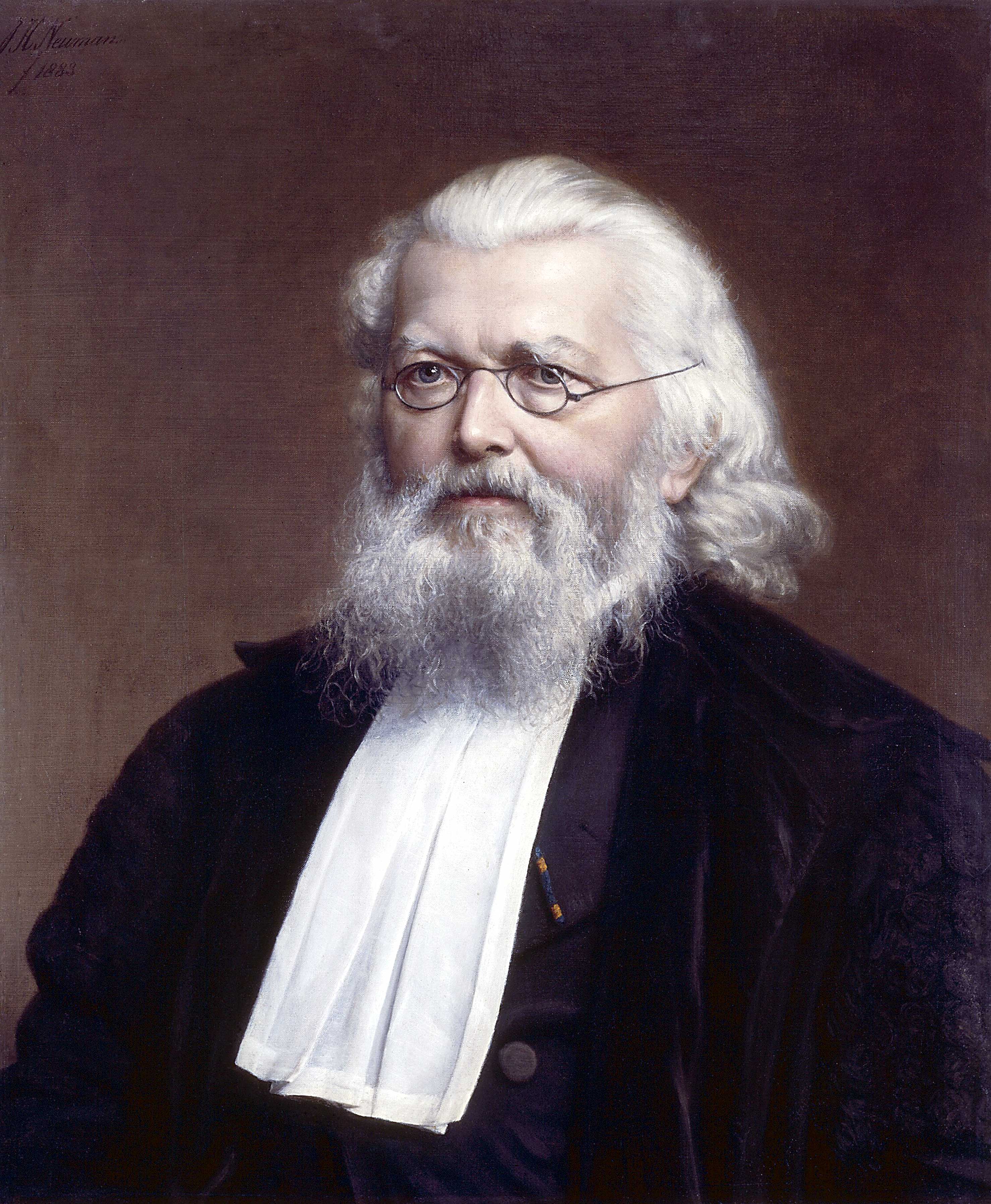
In 1865, Dutch scientist Pieter Harting dared to imagine the year 2065: a world of underground railways crossing the Alps, instant communication across continents, and technological marvels that seemed pure fantasy. He published his visions under the pseudonym dr. Dioscorides, expecting future generations to marvel at his foresight. Then something unexpected happened. By the time the updated edition appeared in 1870, Harting's predictions were already coming true. The railway tunnels he'd imagined for 2065 were nearly complete. The future had arrived nearly two centuries early, and the author found himself writing amendments to a book that was becoming obsolete before the ink dried. What survives is not merely a period curiosity but a fascinating window into Victorian hopes and anxieties. Harting believed science would transform humanity within centuries, not decades. His earnest predictions range from the eerily prescient to the wonderfully wrong, revealing how the 19th century understood progress as inevitable and benevolent. The irony that haunts every page is Harting's own: the futurologist overtaken by the present tense. For readers today, the book functions as both historical artifact and philosophical puzzle. It asks what it means to imagine the future when the present refuses to stay put.
Editions

Link to this book
Add a free, dofollow link to Lex on your blog, forum, syllabus, or reading list.

<a href="https://lex-books.com/book/anno-2070-een-blik-in-de-toekomst-65a34432-bd57-4a37-9bbd-8ae944f4b15c"><img src="https://lex-books.com/badges/read-on-lex.svg" alt="Read Anno 2070: een blik in de toekomst by Pieter Harting free on Lex" width="160" height="40"></a>[](https://lex-books.com/book/anno-2070-een-blik-in-de-toekomst-65a34432-bd57-4a37-9bbd-8ae944f4b15c)[url=https://lex-books.com/book/anno-2070-een-blik-in-de-toekomst-65a34432-bd57-4a37-9bbd-8ae944f4b15c][img]https://lex-books.com/badges/read-on-lex.svg[/img][/url]Read Anno 2070: een blik in de toekomst by Pieter Harting free on Lex: https://lex-books.com/book/anno-2070-een-blik-in-de-toekomst-65a34432-bd57-4a37-9bbd-8ae944f4b15cCite this book
Reading this edition for a paper or guide? Copy a citation.
Harting, Pieter. Anno 2070: een blik in de toekomst. Lex, lex-books.com/book/anno-2070-een-blik-in-de-toekomst-65a34432-bd57-4a37-9bbd-8ae944f4b15c.Harting, P. (n.d.). Anno 2070: een blik in de toekomst. Lex. https://lex-books.com/book/anno-2070-een-blik-in-de-toekomst-65a34432-bd57-4a37-9bbd-8ae944f4b15cHarting, Pieter. Anno 2070: een blik in de toekomst. Lex. https://lex-books.com/book/anno-2070-een-blik-in-de-toekomst-65a34432-bd57-4a37-9bbd-8ae944f4b15c.