Anne of Green Gables (version 2)
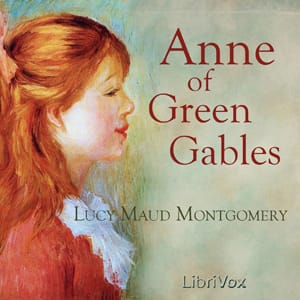
When the Cuthberts of Green Gables request a sturdy boy to help their Avonlea farm, the train delivers something far more precious: Anne Shirley, a waif with flaming red hair, a tongue that won't stop, and an imagination so vast it transforms the ordinary into the miraculous. She calls her reflection "Carrots" without self-pity, befriends the dg (dangerous) Barrymore twins, and argues passionately that白雪should have been named something more poetique. But beneath the humor lies a deeper hunger. Anne has been passed from orphanage to farmhouse, never quite wanted, always too much. What Montgomery understands is that the deepest magic isn't fairy-tale transformation but the slow, aching work of finally being seen. Green Gables becomes home not through dramatic rescue but through the accumulation of small moments: Marilla's stiff warmth, Matthew's silent devotion, the echo of Anne's voice in empty rooms. A century later, Anne endures because she reminds us that being odd and adored is possible, that imagination is a form of survival, and that the people who raise us become ours not by blood but by choice.
Editions


Link to this book
Add a free, dofollow link to Lex on your blog, forum, syllabus, or reading list.

<a href="https://lex-books.com/book/anne-of-green-gables-version-2-0a3cfcba-40ce-47b3-8143-ebb4ffc4434d"><img src="https://lex-books.com/badges/read-on-lex.svg" alt="Read Anne of Green Gables (version 2) by Lucy Maud Montgomery free on Lex" width="160" height="40"></a>[](https://lex-books.com/book/anne-of-green-gables-version-2-0a3cfcba-40ce-47b3-8143-ebb4ffc4434d)[url=https://lex-books.com/book/anne-of-green-gables-version-2-0a3cfcba-40ce-47b3-8143-ebb4ffc4434d][img]https://lex-books.com/badges/read-on-lex.svg[/img][/url]Read Anne of Green Gables (version 2) by Lucy Maud Montgomery free on Lex: https://lex-books.com/book/anne-of-green-gables-version-2-0a3cfcba-40ce-47b3-8143-ebb4ffc4434dCite this book
Reading this edition for a paper or guide? Copy a citation.
Montgomery, Lucy Maud. Anne of Green Gables (version 2). Lex, lex-books.com/book/anne-of-green-gables-version-2-0a3cfcba-40ce-47b3-8143-ebb4ffc4434d.Montgomery, L. M. (n.d.). Anne of Green Gables (version 2). Lex. https://lex-books.com/book/anne-of-green-gables-version-2-0a3cfcba-40ce-47b3-8143-ebb4ffc4434dMontgomery, Lucy Maud. Anne of Green Gables (version 2). Lex. https://lex-books.com/book/anne-of-green-gables-version-2-0a3cfcba-40ce-47b3-8143-ebb4ffc4434d.