Animal Figures in the Maya Codices
1910
Animal Figures in the Maya Codices
1910
Published in 1910, 'Animal Figures in the Maya Codices' by Alfred M. Tozzer is a scholarly analysis of animal representations in ancient Maya codices. The work investigates the significance of these figures in relation to Maya culture, mythology, and religious practices, focusing on the three known codices: Dresden, Tro-Cortesianus, and Peresianus. Tozzer's research, initiated by the Peabody Museum Committee on Central American Research, sheds light on the connection between animal symbolism and the Maya's calendrical and ceremonial traditions.
Editions
X-Ray
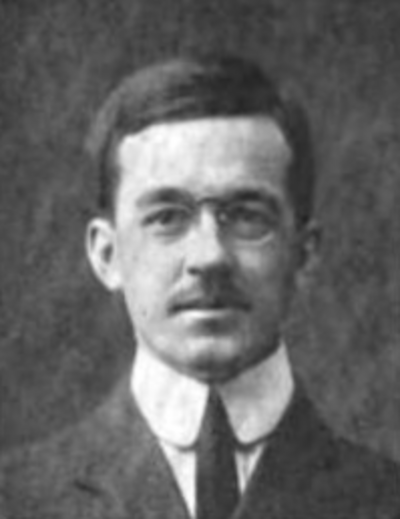
Harvard anthropologist and primary author who undertook the systematic identification and analysis of animal figures in Maya codices. He brings archaeological and ethnological expertise to decode the religious and cultural significance of these ancient representations.
Zoologist specializing in Mexican and Central American fauna who provided crucial species identification expertise. His biological knowledge complemented Tozzer's archaeological approach to create comprehensive animal identifications.
Harvard University official who commissioned and endorsed this research project. He recognized the importance of combining archaeological and zoological expertise for Maya hieroglyph interpretation.
German Maya scholar who classified Maya deities with letter designations (God A, God B, etc.). His systematic approach to deity identification provided the framework for understanding animal-god relationships in the codices.
About Animal Figures in the Maya Codices
Chapter Summaries
- Introduction
- Establishes the context of Maya manuscripts and the importance of animal figures within them. Explains the three surviving Maya codices and outlines the approach of combining zoological and archaeological expertise to identify and interpret animal representations.
- I
- Provides a comprehensive overview of how animals appear in Maya codices - as mythological beings, astronomical symbols, sacrificial offerings, head-dresses, and in various ceremonial contexts. Establishes the framework for understanding animal symbolism in Maya religion.
- II
- Systematically examines each animal species found in the codices, from mollusks to mammals. Provides detailed zoological identifications and explains their cultural and religious significance in Maya civilization, drawing on historical sources and contemporary indigenous practices.
Key Themes
- Scientific Collaboration
- The work demonstrates the power of interdisciplinary collaboration between archaeology and zoology. Tozzer and Allen's partnership shows how combining different scientific perspectives can unlock new understanding of ancient cultures.
- Religious Symbolism
- Animals in Maya codices serve primarily religious functions rather than secular ones. They represent gods, serve as offerings, mark astronomical events, and embody spiritual concepts, revealing the deeply sacred nature of Maya animal imagery.
- Cultural Continuity
- The authors trace connections between ancient Maya practices and contemporary indigenous customs, particularly among the Lacandones, showing how ancient religious traditions persist in modified forms across centuries.
Characters
- Alfred M. Tozzer(protagonist)
- Harvard anthropologist and primary author who undertook the systematic identification and analysis of animal figures in Maya codices. He brings archaeological and ethnological expertise to decode the religious and cultural significance of these ancient representations.
- Glover M. Allen(major)
- Zoologist specializing in Mexican and Central American fauna who provided crucial species identification expertise. His biological knowledge complemented Tozzer's archaeological approach to create comprehensive animal identifications.
- F. W. Putnam(minor)
- Harvard University official who commissioned and endorsed this research project. He recognized the importance of combining archaeological and zoological expertise for Maya hieroglyph interpretation.
- Paul Schellhas(major)
- German Maya scholar who classified Maya deities with letter designations (God A, God B, etc.). His systematic approach to deity identification provided the framework for understanding animal-god relationships in the codices.
- Ernst Förstemann(major)
- German Maya scholar and commentator on Maya codices whose interpretations are frequently cited and sometimes challenged. His work on astronomical and calendrical aspects provided important context for animal symbolism.
Link to this book
Add a free, dofollow link to Lex on your blog, forum, syllabus, or reading list.

<a href="https://lex-books.com/book/animal-figures-in-the-maya-codices-ed18ea2d-7593-45b5-b336-b86d689f1c58"><img src="https://lex-books.com/badges/read-on-lex.svg" alt="Read Animal Figures in the Maya Codices by Alfred M. Tozzer free on Lex" width="160" height="40"></a>[](https://lex-books.com/book/animal-figures-in-the-maya-codices-ed18ea2d-7593-45b5-b336-b86d689f1c58)[url=https://lex-books.com/book/animal-figures-in-the-maya-codices-ed18ea2d-7593-45b5-b336-b86d689f1c58][img]https://lex-books.com/badges/read-on-lex.svg[/img][/url]Read Animal Figures in the Maya Codices by Alfred M. Tozzer free on Lex: https://lex-books.com/book/animal-figures-in-the-maya-codices-ed18ea2d-7593-45b5-b336-b86d689f1c58Cite this book
Reading this edition for a paper or guide? Copy a citation.
Tozzer, Alfred M.. Animal Figures in the Maya Codices. Lex, lex-books.com/book/animal-figures-in-the-maya-codices-ed18ea2d-7593-45b5-b336-b86d689f1c58.Tozzer, A. M. (1910). Animal Figures in the Maya Codices. Lex. https://lex-books.com/book/animal-figures-in-the-maya-codices-ed18ea2d-7593-45b5-b336-b86d689f1c58Tozzer, Alfred M.. Animal Figures in the Maya Codices. Lex. https://lex-books.com/book/animal-figures-in-the-maya-codices-ed18ea2d-7593-45b5-b336-b86d689f1c58.