An Outlaw's Diary: The Commune
1923
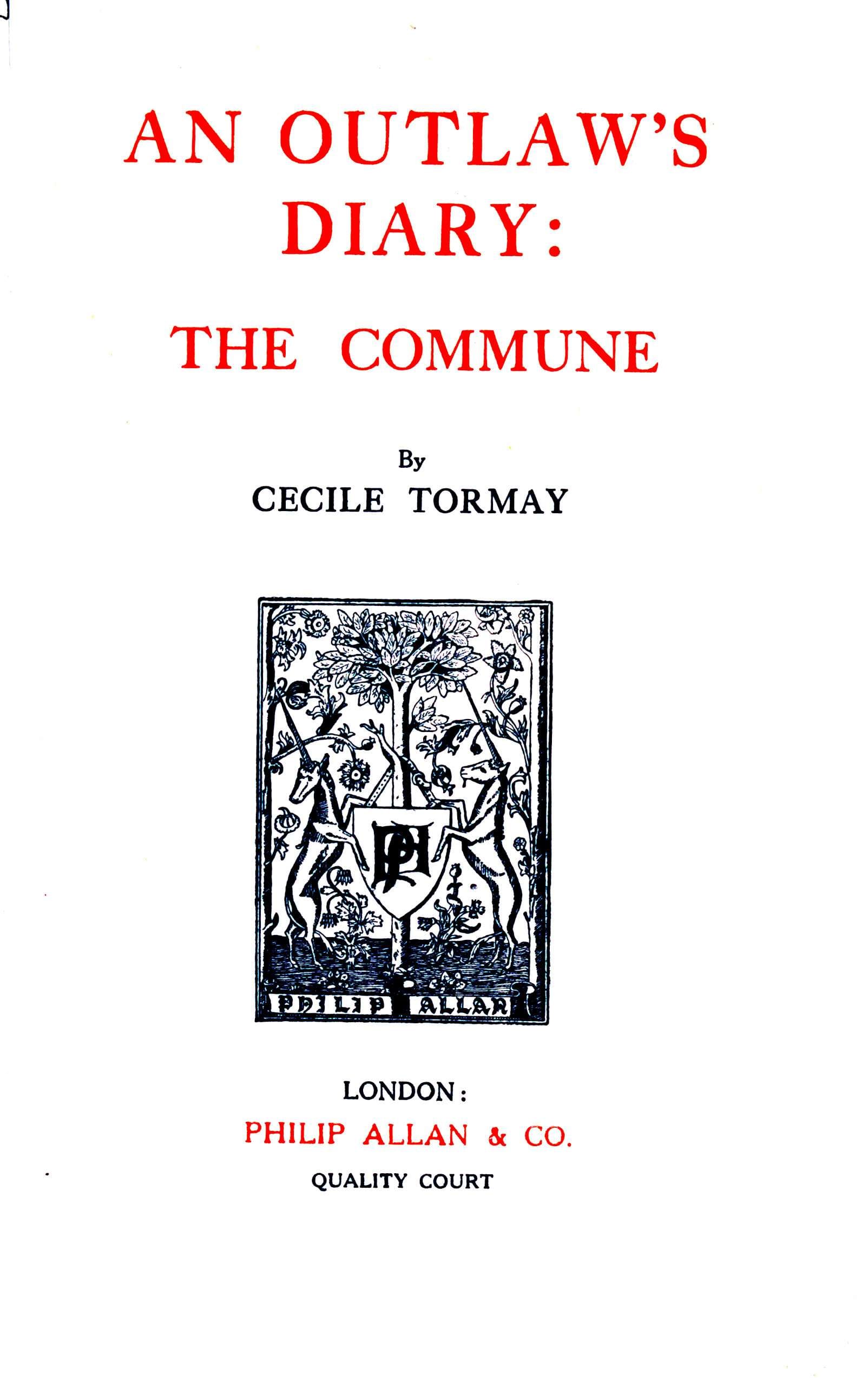
An Outlaw's Diary: The Commune
1923
Biographies, History - European, History - Modern (1750+), History - Other
''An Outlaw's Diary: The Commune'' by Cécile Tormay, first published in 1923, is a personal narrative detailing the author's experiences during the Hungarian Soviet Republic. Written from the perspective of an upper-class woman, the diary captures the chaos and upheaval in Hungary following World War I, particularly the rise of Béla Kun's Communist regime. Tormay's vivid observations reveal the emotional turmoil of fear, loss, and adaptation as she and her family navigate the dangers of persecution and exile amidst the collapse of their social order.
Editions

An Outlaw's Diary: The CommuneCurrent
Project Gutenberg · 365 pages
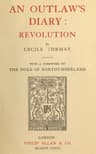
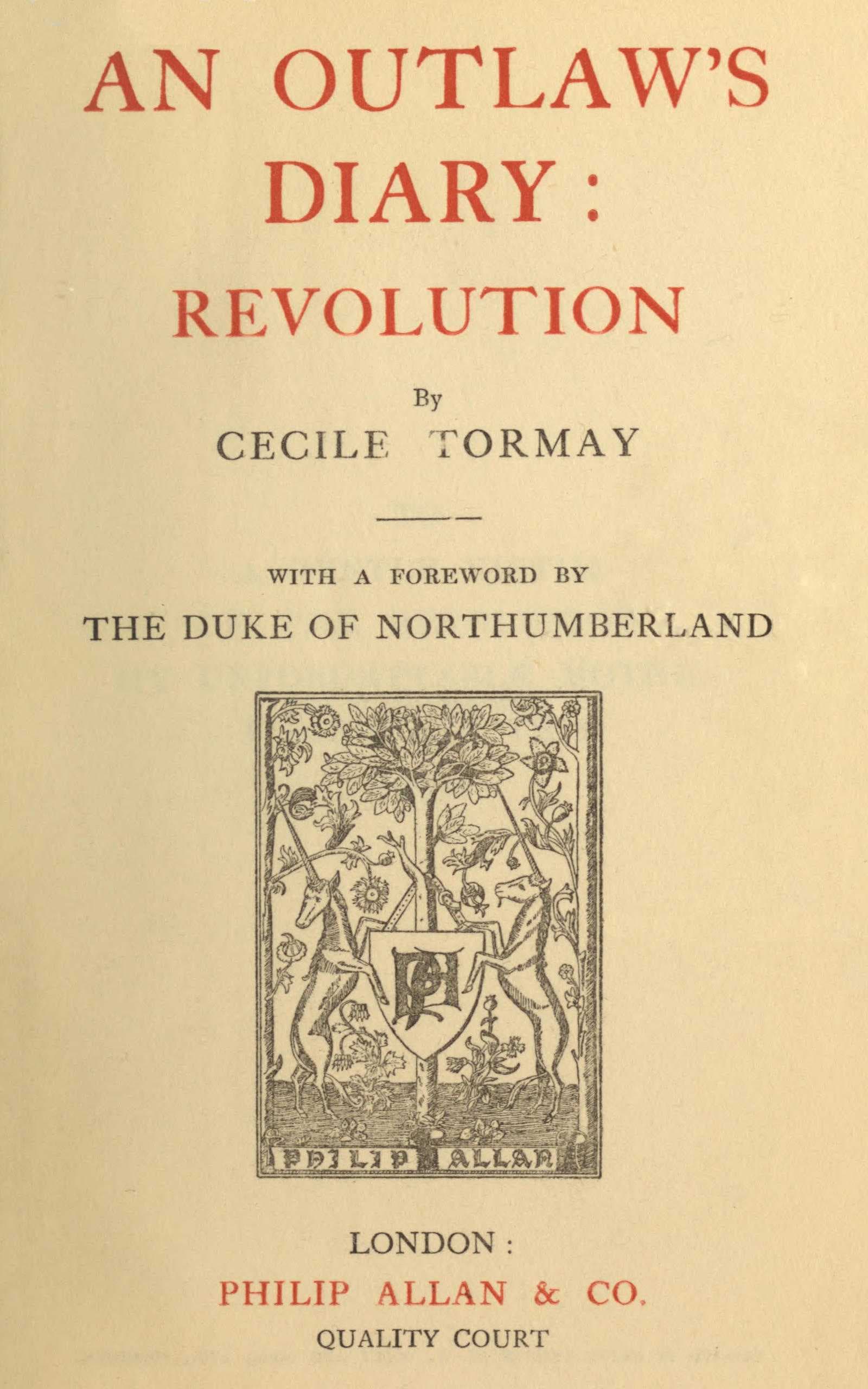
An Outlaw's Diary: Revolution
Project Gutenberg · 418 pages
Link to this book
Add a free, dofollow link to Lex on your blog, forum, syllabus, or reading list.

HTML
<a href="https://lex-books.com/book/an-outlaw-s-diary-the-commune-f9438de5-b94c-489d-9e34-8b217578a473"><img src="https://lex-books.com/badges/read-on-lex.svg" alt="Read An Outlaw's Diary: The Commune by Cécile Tormay free on Lex" width="160" height="40"></a>Markdown
[](https://lex-books.com/book/an-outlaw-s-diary-the-commune-f9438de5-b94c-489d-9e34-8b217578a473)BBCode
[url=https://lex-books.com/book/an-outlaw-s-diary-the-commune-f9438de5-b94c-489d-9e34-8b217578a473][img]https://lex-books.com/badges/read-on-lex.svg[/img][/url]Plain link
Read An Outlaw's Diary: The Commune by Cécile Tormay free on Lex: https://lex-books.com/book/an-outlaw-s-diary-the-commune-f9438de5-b94c-489d-9e34-8b217578a473Cite this book
Reading this edition for a paper or guide? Copy a citation.
MLA
Tormay, Cécile. An Outlaw's Diary: The Commune. Lex, lex-books.com/book/an-outlaw-s-diary-the-commune-f9438de5-b94c-489d-9e34-8b217578a473.APA
Tormay, C. (1923). An Outlaw's Diary: The Commune. Lex. https://lex-books.com/book/an-outlaw-s-diary-the-commune-f9438de5-b94c-489d-9e34-8b217578a473Chicago
Tormay, Cécile. An Outlaw's Diary: The Commune. Lex. https://lex-books.com/book/an-outlaw-s-diary-the-commune-f9438de5-b94c-489d-9e34-8b217578a473.