An Introduction to the Theory of Value: On the Lines of Menger, Weiser, and Böhm-Bawerk
1891
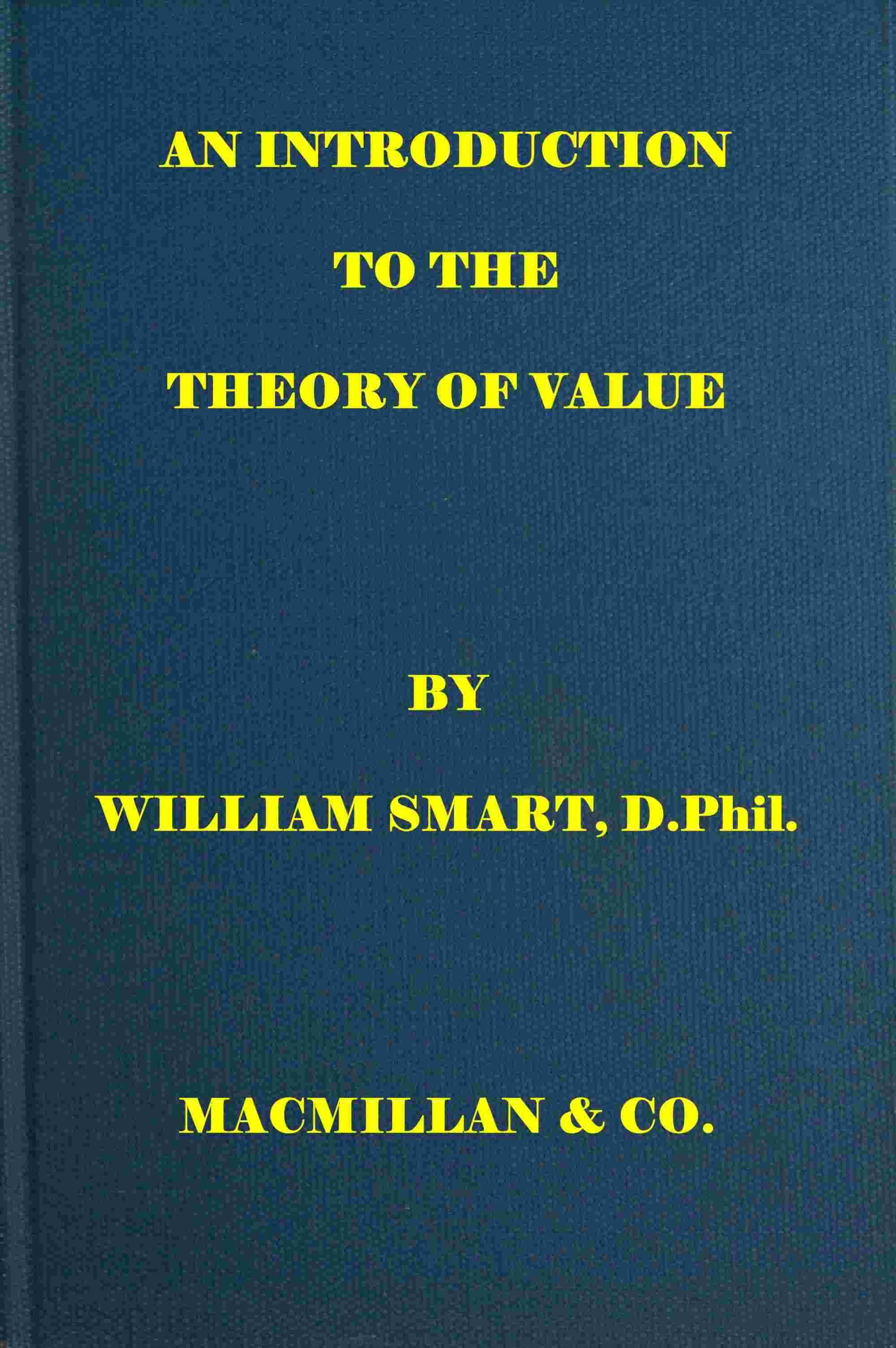
An Introduction to the Theory of Value: On the Lines of Menger, Weiser, and Böhm-Bawerk
1891
The book that remade economics. In 1891, William Smart brought the Austrian School's revolutionary insight to English readers: value isn't hidden in objects, it lives in human wants and the scarcity that makes them matter. Through the famous sailor with his biscuits and Crusoe alone with his corn, Smart demonstrates why the last satisfied want, marginal utility, sets everything in motion. This is the birth of modern price theory, where personal judgments of usefulness, not labor or inherent properties, give rise to the market prices we all live by. Smart translates and clarifies Menger, Wieser, and Böhm-Bawerk with clarity that still resonates, making the abstract visceral and the theoretical practical. Whether you're an economics student, a philosophy reader, or anyone curious about how we decided what things are worth, this foundational text reveals the invisible arithmetic of desire that powers every transaction.
Editions

Link to this book
Add a free, dofollow link to Lex on your blog, forum, syllabus, or reading list.

<a href="https://lex-books.com/book/an-introduction-to-the-theory-of-value-on-the-lines-of-menger-weiser-and-b-hm-ba-587873b5-c036-4c74-bc38-b935dc9633f4"><img src="https://lex-books.com/badges/read-on-lex.svg" alt="Read An Introduction to the Theory of Value: On the Lines of Menger, Weiser, and Böhm-Bawerk by William Smart free on Lex" width="160" height="40"></a>[](https://lex-books.com/book/an-introduction-to-the-theory-of-value-on-the-lines-of-menger-weiser-and-b-hm-ba-587873b5-c036-4c74-bc38-b935dc9633f4)[url=https://lex-books.com/book/an-introduction-to-the-theory-of-value-on-the-lines-of-menger-weiser-and-b-hm-ba-587873b5-c036-4c74-bc38-b935dc9633f4][img]https://lex-books.com/badges/read-on-lex.svg[/img][/url]Read An Introduction to the Theory of Value: On the Lines of Menger, Weiser, and Böhm-Bawerk by William Smart free on Lex: https://lex-books.com/book/an-introduction-to-the-theory-of-value-on-the-lines-of-menger-weiser-and-b-hm-ba-587873b5-c036-4c74-bc38-b935dc9633f4Cite this book
Reading this edition for a paper or guide? Copy a citation.
Smart, William. An Introduction to the Theory of Value: On the Lines of Menger, Weiser, and Böhm-Bawerk. Lex, lex-books.com/book/an-introduction-to-the-theory-of-value-on-the-lines-of-menger-weiser-and-b-hm-ba-587873b5-c036-4c74-bc38-b935dc9633f4.Smart, W. (1891). An Introduction to the Theory of Value: On the Lines of Menger, Weiser, and Böhm-Bawerk. Lex. https://lex-books.com/book/an-introduction-to-the-theory-of-value-on-the-lines-of-menger-weiser-and-b-hm-ba-587873b5-c036-4c74-bc38-b935dc9633f4Smart, William. An Introduction to the Theory of Value: On the Lines of Menger, Weiser, and Böhm-Bawerk. Lex. https://lex-books.com/book/an-introduction-to-the-theory-of-value-on-the-lines-of-menger-weiser-and-b-hm-ba-587873b5-c036-4c74-bc38-b935dc9633f4.