An Artist in Egypt
1912
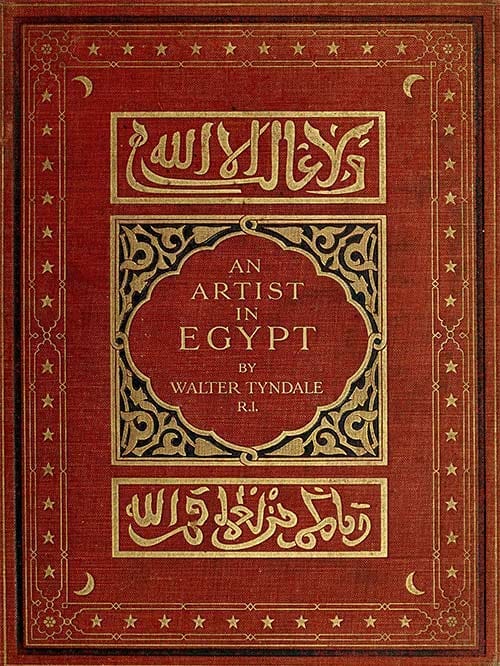
This is Egypt as it existed before the century's convulsions reshaped it. Walter Tyndale, an English artist, spent winters in Egypt during the 1910s, and this book records what he found when he walked its streets with painter's eyes. The narrative moves through Cairo's bustling markets and ancient architecture, then north to Thebes, where archaeological discoveries were still being made from beneath the desert sands. But this is not merely a guidebook. Tyndale is absorbed by the process of seeing itself: how light falls on a Nubian village at dusk, how the chaos of the bazaar contains its own strange order, how one translates the physical world into pigment and canvas. His journey with the Chief Inspector of Upper Egypt, from the Nile to the Red Sea, provides the book's most vivid passages, a desert crossing that feels both practical and transcendent. For readers who crave the travel writing of an earlier age, when journeys were slower and observation was a kind of devotion, this book offers a particular pleasure: the chance to see Egypt through the eyes of someone who looked at it with extraordinary care.
Editions

Link to this book
Add a free, dofollow link to Lex on your blog, forum, syllabus, or reading list.

<a href="https://lex-books.com/book/an-artist-in-egypt-02f53fc0-7642-4c47-82d9-3e36f1f67ee3"><img src="https://lex-books.com/badges/read-on-lex.svg" alt="Read An Artist in Egypt by Walter Tyndale free on Lex" width="160" height="40"></a>[](https://lex-books.com/book/an-artist-in-egypt-02f53fc0-7642-4c47-82d9-3e36f1f67ee3)[url=https://lex-books.com/book/an-artist-in-egypt-02f53fc0-7642-4c47-82d9-3e36f1f67ee3][img]https://lex-books.com/badges/read-on-lex.svg[/img][/url]Read An Artist in Egypt by Walter Tyndale free on Lex: https://lex-books.com/book/an-artist-in-egypt-02f53fc0-7642-4c47-82d9-3e36f1f67ee3Cite this book
Reading this edition for a paper or guide? Copy a citation.
Tyndale, Walter. An Artist in Egypt. Lex, lex-books.com/book/an-artist-in-egypt-02f53fc0-7642-4c47-82d9-3e36f1f67ee3.Tyndale, W. (1912). An Artist in Egypt. Lex. https://lex-books.com/book/an-artist-in-egypt-02f53fc0-7642-4c47-82d9-3e36f1f67ee3Tyndale, Walter. An Artist in Egypt. Lex. https://lex-books.com/book/an-artist-in-egypt-02f53fc0-7642-4c47-82d9-3e36f1f67ee3.