American Bee Journal, Vol. XVII, No. 3 , January 19, 1881
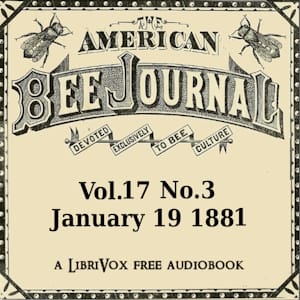
In January 1881, American beekeepers were still unraveling the mysteries of the hive. This issue of the American Bee Journal captures a profession in its empirical infancy, when apiarists debated queen breeding techniques, puzzled over why their colonies failed, and wrestled with the economics of selling pure honey in a market increasingly flooded with adulterated substitutes. The Duplication of Queen offers practical guidance on raising queens, a skill that separated successful beekeepers from those who watched their colonies collapse. Meanwhile, Selecting Location for an Apiary reflects a time when finding the right spot meant the difference between a thriving operation and a failed one, long before modern understanding of microclimates and forage. J.P.H. Brown's treatise on Honey and Its Adulteration resonates across time: food fraud was as urgent in Gilded Age America as it is today. For historians of science, beekeeping enthusiasts, or anyone curious about the roots of American agriculture, this issue is a vivid time capsule, practical, earnest, and utterly of its moment.
Editions

Read by
Group Narration
17 readers
Larry Wilson, Susan Akerszim, Tommie McCoy, Kristin Barkhurst +13 more
Link to this book
Add a free, dofollow link to Lex on your blog, forum, syllabus, or reading list.

<a href="https://lex-books.com/book/american-bee-journal-vol-xvii-no-3-january-19-1881-0e0dd820-73fa-460c-b588-ff398bcd8eb0"><img src="https://lex-books.com/badges/read-on-lex.svg" alt="Read American Bee Journal, Vol. XVII, No. 3 , January 19, 1881 by Various free on Lex" width="160" height="40"></a>[](https://lex-books.com/book/american-bee-journal-vol-xvii-no-3-january-19-1881-0e0dd820-73fa-460c-b588-ff398bcd8eb0)[url=https://lex-books.com/book/american-bee-journal-vol-xvii-no-3-january-19-1881-0e0dd820-73fa-460c-b588-ff398bcd8eb0][img]https://lex-books.com/badges/read-on-lex.svg[/img][/url]Read American Bee Journal, Vol. XVII, No. 3 , January 19, 1881 by Various free on Lex: https://lex-books.com/book/american-bee-journal-vol-xvii-no-3-january-19-1881-0e0dd820-73fa-460c-b588-ff398bcd8eb0Cite this book
Reading this edition for a paper or guide? Copy a citation.
Various. American Bee Journal, Vol. XVII, No. 3 , January 19, 1881. Lex, lex-books.com/book/american-bee-journal-vol-xvii-no-3-january-19-1881-0e0dd820-73fa-460c-b588-ff398bcd8eb0.Various (n.d.). American Bee Journal, Vol. XVII, No. 3 , January 19, 1881. Lex. https://lex-books.com/book/american-bee-journal-vol-xvii-no-3-january-19-1881-0e0dd820-73fa-460c-b588-ff398bcd8eb0Various. American Bee Journal, Vol. XVII, No. 3 , January 19, 1881. Lex. https://lex-books.com/book/american-bee-journal-vol-xvii-no-3-january-19-1881-0e0dd820-73fa-460c-b588-ff398bcd8eb0.