Algonquin Indian Tales
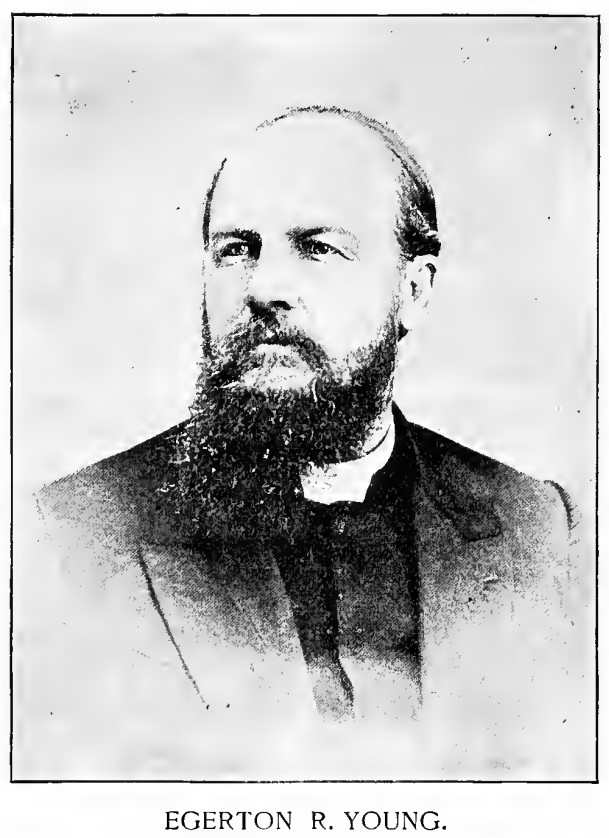
Deep in the forests along the Algonquin waterways, there lives a figure of endless mischief and magic: Nanahboozhoo, the great trickster who can transform himself into anything, from a tiny spider to a towering giant. These are the tales that once echoed through wigwams at night, passed from storyteller to eager listener for generations before anyone thought to write them down. Egerton Young gathered these stories in the early 1900s from the Algonquin people, preserving legends that might otherwise have been lost. Through children Sagastao and Minnehaha, we enter a world where animals speak, cedar trees grow from a single seed placed on a newborn's grave, and the boundary between human and spirit blurs like morning mist over the lake. This is not sanitized folklore for tourists. These are living stories that taught values, explained the world, and held communities together. Read them as they were meant to be read: with a fire burning low and the night stretching out ahead.
Editions
X-Ray
“But when a woman gets proud and conceited and carries on like this one did she is hard to cure. The fact was, her husband was too kind to her. He did not give her plenty of work to keep her busy and out of mischief. Instead of making her chop the wood and carry the water, and do other hard things, he did it for her, for he was very proud of her and she was indeed a beautiful woman. He did, however, make her stay in their wigwam instead of allowing her to go about wherever she liked.””
— Egerton Ryerson Young
“With all his powers he set to work and it was not very long ere he had a large raft made out of the floating logs. As the last spot of land was now being overwhelmed by the flood, and he pitied the animals that were swimming about, he took them on the raft with him.””
— Egerton Ryerson Young
“After a long discussion it was resolved that in revenge for man's tyranny they would inflict rheumatism, lumbago, and similar diseases upon every hunter who should kill one of their number unless he took great care to ask pardon for the offense. That is the reason why so many hunters say, just before they shoot, 'I beg your pardon, Mr. Deer, but shoot you I must, for I want your flesh for food.' They know that if they do this they are safe.””
— Egerton Ryerson Young
“The next morning was, as usual, bright and cloudless, but it was bitterly cold. The mercury was frozen in one thermometer, and in the other one the spirit indicated fifty-five below zero. Yet so impatient were these spirited children to be off with their gifts to Souwanas, and with something also for each member of the family, that their pleadings prevailed. A cariole with plenty of fur robes was soon at the door, and with old Kennedy as their driver they were soon speeding away behind a train of dogs.””
— Egerton Ryerson Young
Link to this book
Add a free, dofollow link to Lex on your blog, forum, syllabus, or reading list.

<a href="https://lex-books.com/book/algonquin-indian-tales-44c64cef-7a04-44d5-b902-12a34d3b9e9e"><img src="https://lex-books.com/badges/read-on-lex.svg" alt="Read Algonquin Indian Tales by Egerton Ryerson Young free on Lex" width="160" height="40"></a>[](https://lex-books.com/book/algonquin-indian-tales-44c64cef-7a04-44d5-b902-12a34d3b9e9e)[url=https://lex-books.com/book/algonquin-indian-tales-44c64cef-7a04-44d5-b902-12a34d3b9e9e][img]https://lex-books.com/badges/read-on-lex.svg[/img][/url]Read Algonquin Indian Tales by Egerton Ryerson Young free on Lex: https://lex-books.com/book/algonquin-indian-tales-44c64cef-7a04-44d5-b902-12a34d3b9e9eCite this book
Reading this edition for a paper or guide? Copy a citation.
Young, Egerton Ryerson. Algonquin Indian Tales. Lex, lex-books.com/book/algonquin-indian-tales-44c64cef-7a04-44d5-b902-12a34d3b9e9e.Young, E. R. (n.d.). Algonquin Indian Tales. Lex. https://lex-books.com/book/algonquin-indian-tales-44c64cef-7a04-44d5-b902-12a34d3b9e9eYoung, Egerton Ryerson. Algonquin Indian Tales. Lex. https://lex-books.com/book/algonquin-indian-tales-44c64cef-7a04-44d5-b902-12a34d3b9e9e.