After Prison--What?
1903
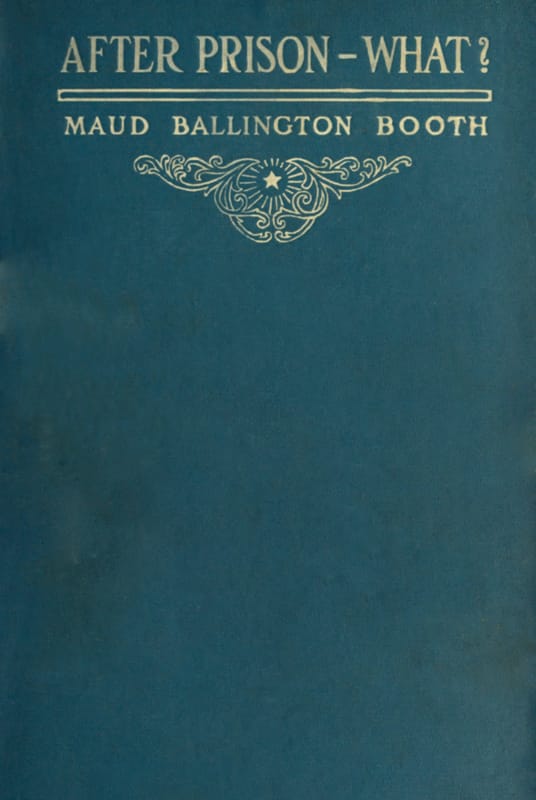
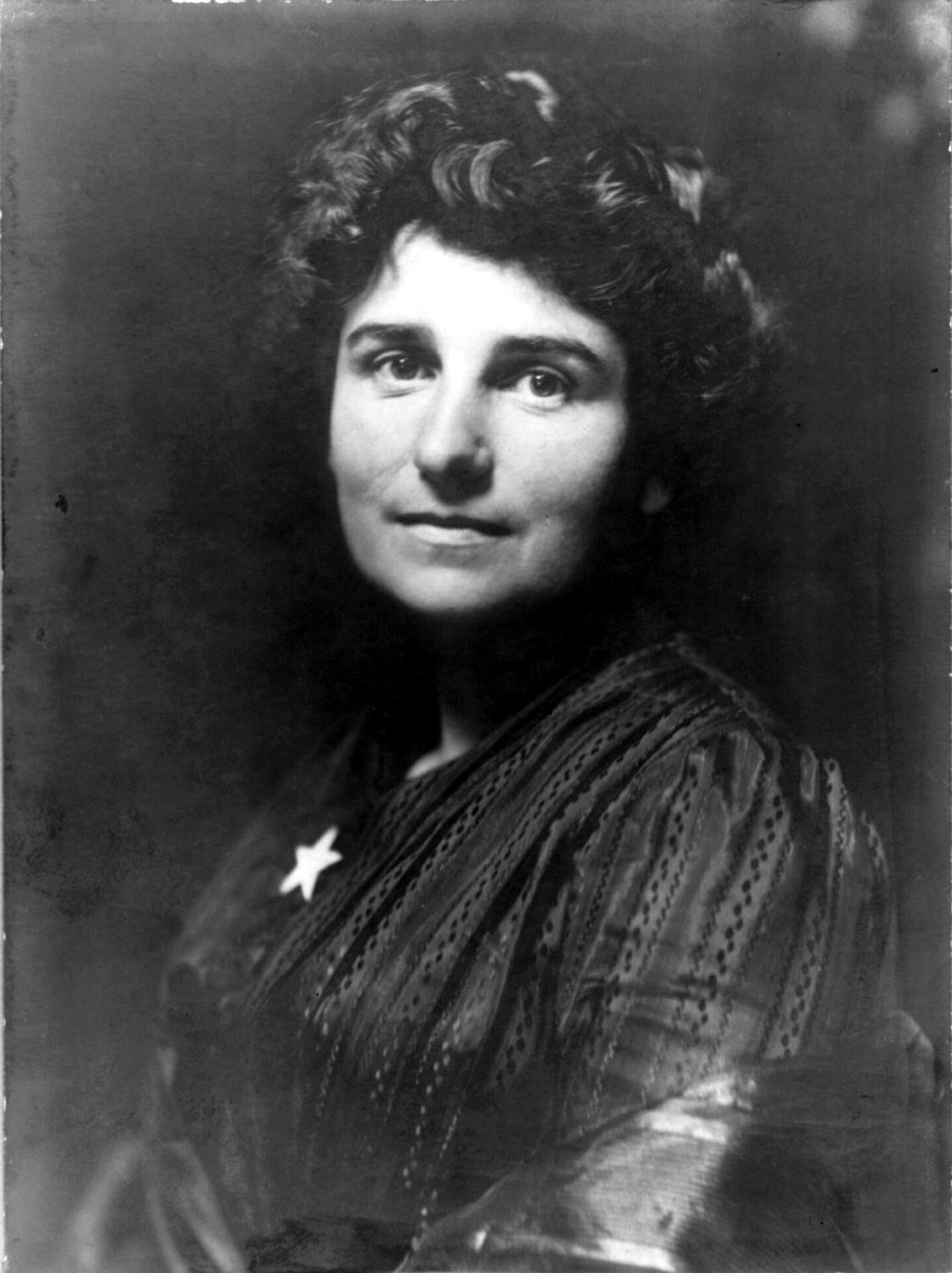
In 1903, one woman dared to call prisoners "the boys" and mean it. Maud Ballington Booth had spent years behind prison walls, witnessing humanity where society saw only crime, and she wrote this book to demand we do the same. Through intimate anecdotes and impassioned argument, she challenges a world that had already discarded men for their worst moments, insisting that redemption is not naive sentiment but practical necessity. Booth does not minimize the severity of wrongdoing, but she refuses to let a single mistake become a life sentence of hopeless wandering. She advocates for what we would now call reentry programs, for communities that welcome rather than shunt aside, for the radical idea that compassion serves both giver and receiver. More than a historical document, this is a plea from someone who knew the imprisoned firsthand and found them worthy of belief. It endures because the question it asks has never been answered: after prison, what?
Editions

Link to this book
Add a free, dofollow link to Lex on your blog, forum, syllabus, or reading list.

<a href="https://lex-books.com/book/after-prison-what-1aac3c15-f043-4525-98d3-b5949b6e46e8"><img src="https://lex-books.com/badges/read-on-lex.svg" alt="Read After Prison--What? by Maud Ballington Booth free on Lex" width="160" height="40"></a>[](https://lex-books.com/book/after-prison-what-1aac3c15-f043-4525-98d3-b5949b6e46e8)[url=https://lex-books.com/book/after-prison-what-1aac3c15-f043-4525-98d3-b5949b6e46e8][img]https://lex-books.com/badges/read-on-lex.svg[/img][/url]Read After Prison--What? by Maud Ballington Booth free on Lex: https://lex-books.com/book/after-prison-what-1aac3c15-f043-4525-98d3-b5949b6e46e8Cite this book
Reading this edition for a paper or guide? Copy a citation.
Booth, Maud Ballington. After Prison--What?. Lex, lex-books.com/book/after-prison-what-1aac3c15-f043-4525-98d3-b5949b6e46e8.Booth, M. B. (1903). After Prison--What?. Lex. https://lex-books.com/book/after-prison-what-1aac3c15-f043-4525-98d3-b5949b6e46e8Booth, Maud Ballington. After Prison--What?. Lex. https://lex-books.com/book/after-prison-what-1aac3c15-f043-4525-98d3-b5949b6e46e8.