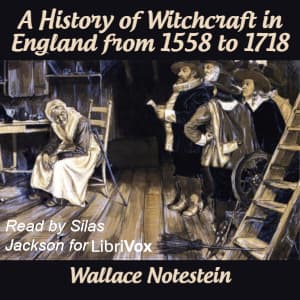
A History of Witchcraft in England from 1558 to 1718
1655
A History of Witchcraft in England from 1558 to 1718
1655
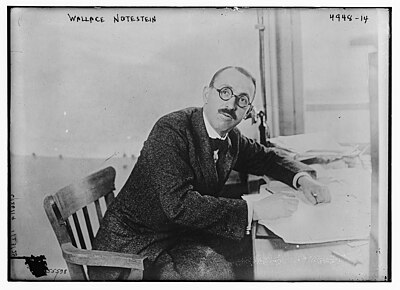
Witchcraft in England was not a footnote to history. It was a crucible in which fears of the devil, social resentment, and political maneuvering fused into a system that condemned hundreds to death. Wallace Notestein's landmark study, born from his Yale doctoral dissertation and first published in 1911, remains the definitive excavation of this dark chapter. He traces the arc from Elizabeth I's witchcraft legislation through the explosive panics of the seventeenth century to the final prosecutions under the early Hanoverians, revealing how witch beliefs permeated every stratum of early modern English society. What emerges is not merely a chronicle of trials but a diagnosis of how a rational people built irrational systems of justice and wielded them with conviction. Notestein reads the court records, pamphlets, and confessions with anthropological precision, exposing the gender dynamics of accusation, the class tensions beneath neighborly suspicion, and the religious anxieties that made the devil a plausible explanation for misfortune. This is essential reading for anyone seeking to understand the social machinery of fear, and why early modern men and women genuinely believed they were confronting evil incarnate.
Editions
Link to this book
Add a free, dofollow link to Lex on your blog, forum, syllabus, or reading list.

<a href="https://lex-books.com/book/a-history-of-witchcraft-in-england-from-1558-to-1718-c9ff43c8-7678-4c73-a00a-f6083123d179"><img src="https://lex-books.com/badges/read-on-lex.svg" alt="Read A History of Witchcraft in England from 1558 to 1718 by Wallace Notestein free on Lex" width="160" height="40"></a>[](https://lex-books.com/book/a-history-of-witchcraft-in-england-from-1558-to-1718-c9ff43c8-7678-4c73-a00a-f6083123d179)[url=https://lex-books.com/book/a-history-of-witchcraft-in-england-from-1558-to-1718-c9ff43c8-7678-4c73-a00a-f6083123d179][img]https://lex-books.com/badges/read-on-lex.svg[/img][/url]Read A History of Witchcraft in England from 1558 to 1718 by Wallace Notestein free on Lex: https://lex-books.com/book/a-history-of-witchcraft-in-england-from-1558-to-1718-c9ff43c8-7678-4c73-a00a-f6083123d179Cite this book
Reading this edition for a paper or guide? Copy a citation.
Notestein, Wallace. A History of Witchcraft in England from 1558 to 1718. Lex, lex-books.com/book/a-history-of-witchcraft-in-england-from-1558-to-1718-c9ff43c8-7678-4c73-a00a-f6083123d179.Notestein, W. (1655). A History of Witchcraft in England from 1558 to 1718. Lex. https://lex-books.com/book/a-history-of-witchcraft-in-england-from-1558-to-1718-c9ff43c8-7678-4c73-a00a-f6083123d179Notestein, Wallace. A History of Witchcraft in England from 1558 to 1718. Lex. https://lex-books.com/book/a-history-of-witchcraft-in-england-from-1558-to-1718-c9ff43c8-7678-4c73-a00a-f6083123d179.