A History of Art for Beginners and Students: Painting, Sculpture, Architecture
A History of Art for Beginners and Students: Painting, Sculpture, Architecture
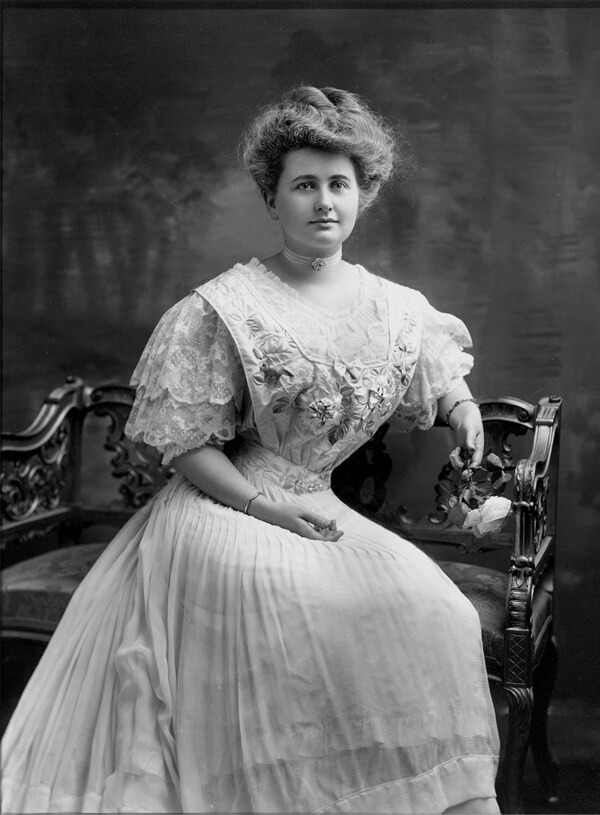
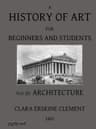
A window into how Victorians learned to see art. Written in 1884 by Clara Erskine Clement Waters, this was among the first English-language guides designed explicitly for American students encountering the Western artistic tradition. The book begins where all art history must: with the ancient world. Waters walks readers through Egyptian sculpture, with its iconic stiff poses and monumental scale, then moves through Assyrian reliefs, Greek mastery of the human form, Roman ambition, and the strange beauty of Etruscan wall paintings. Each chapter pairs descriptions of famous works with the historical context that made them possible. What distinguishes this volume is its purpose as an introduction. Waters explains not just what to look at, but why it matters: how the Colossi of Thebes reflected Egyptian beliefs about eternity, why Greek sculpture pursued ideal beauty, how Roman painters captured daily life alongside mythology. The book retains period attitudes toward non-Western art, which today reads as both a historical curiosity and a useful lens for understanding how early art history was constructed. For readers curious about how our understanding of antiquity was formed, or for students of art history pedagogy, this remains a fascinating artifact.
Editions
Link to this book
Add a free, dofollow link to Lex on your blog, forum, syllabus, or reading list.

<a href="https://lex-books.com/book/a-history-of-art-for-beginners-and-students-painting-sculpture-architecture-fcb9ef8b-3dae-417d-b1e9-3048452a72b0"><img src="https://lex-books.com/badges/read-on-lex.svg" alt="Read A History of Art for Beginners and Students: Painting, Sculpture, Architecture by Clara Erskine Clement Waters free on Lex" width="160" height="40"></a>[](https://lex-books.com/book/a-history-of-art-for-beginners-and-students-painting-sculpture-architecture-fcb9ef8b-3dae-417d-b1e9-3048452a72b0)[url=https://lex-books.com/book/a-history-of-art-for-beginners-and-students-painting-sculpture-architecture-fcb9ef8b-3dae-417d-b1e9-3048452a72b0][img]https://lex-books.com/badges/read-on-lex.svg[/img][/url]Read A History of Art for Beginners and Students: Painting, Sculpture, Architecture by Clara Erskine Clement Waters free on Lex: https://lex-books.com/book/a-history-of-art-for-beginners-and-students-painting-sculpture-architecture-fcb9ef8b-3dae-417d-b1e9-3048452a72b0Cite this book
Reading this edition for a paper or guide? Copy a citation.
Waters, Clara Erskine Clement. A History of Art for Beginners and Students: Painting, Sculpture, Architecture. Lex, lex-books.com/book/a-history-of-art-for-beginners-and-students-painting-sculpture-architecture-fcb9ef8b-3dae-417d-b1e9-3048452a72b0.Waters, C. E. C. (n.d.). A History of Art for Beginners and Students: Painting, Sculpture, Architecture. Lex. https://lex-books.com/book/a-history-of-art-for-beginners-and-students-painting-sculpture-architecture-fcb9ef8b-3dae-417d-b1e9-3048452a72b0Waters, Clara Erskine Clement. A History of Art for Beginners and Students: Painting, Sculpture, Architecture. Lex. https://lex-books.com/book/a-history-of-art-for-beginners-and-students-painting-sculpture-architecture-fcb9ef8b-3dae-417d-b1e9-3048452a72b0.