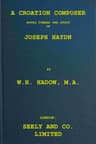
A Croatian Composer: Notes Toward the Study of Joseph Haydn
1897
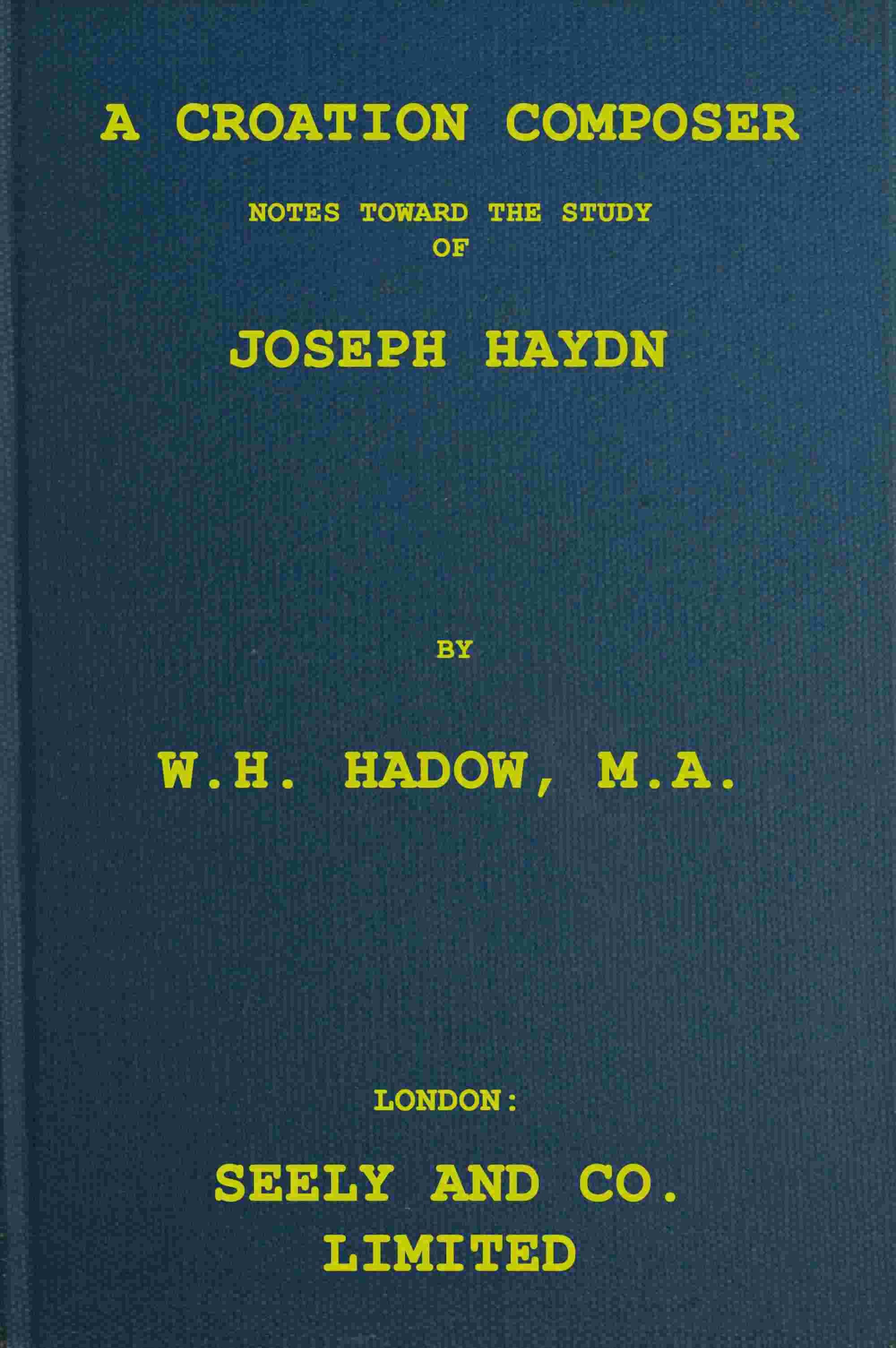
A Croatian Composer: Notes Toward the Study of Joseph Haydn
1897
In 1897, a British musicologist made a radical claim that would quietly reverberate through the world of classical music. W. H. Hadow assembled biographical, linguistic, and above all musical evidence to argue that Joseph Haydn, long celebrated as a German composer, was in fact of Croatian origin. The argument rests not on genealogy alone but on something more tangible: the melodies, rhythms, and structural patterns that echo South Slavonic folk traditions throughout Haydn's body of work. Drawing on the pioneering research of Dr. František Š. Kuhač, Hadow demonstrates striking parallels between Haydn's thematic material and the indigenous music of Croatia, arguing that these were not coincidental similarities but the deep imprints of cultural inheritance. The book situates Haydn within a broader intellectual moment when scholars were reconsidering the national foundations of artistic genius, asking us to hear his symphonies and quartets as products of a specifically Croatian musical imagination. Whether one accepts or rejects Hadow's conclusion, this essay remains a fascinating artifact of musical detective work, a window into how nationalism reshaped our understanding of the classical canon, and a provocation to anyone who believes composers can be neatly labeled by borders.
Editions
Link to this book
Add a free, dofollow link to Lex on your blog, forum, syllabus, or reading list.

<a href="https://lex-books.com/book/a-croatian-composer-notes-toward-the-study-of-joseph-haydn-535d1ae2-d619-4b83-abf7-3b6ba306e00a"><img src="https://lex-books.com/badges/read-on-lex.svg" alt="Read A Croatian Composer: Notes Toward the Study of Joseph Haydn by W. H. Hadow free on Lex" width="160" height="40"></a>[](https://lex-books.com/book/a-croatian-composer-notes-toward-the-study-of-joseph-haydn-535d1ae2-d619-4b83-abf7-3b6ba306e00a)[url=https://lex-books.com/book/a-croatian-composer-notes-toward-the-study-of-joseph-haydn-535d1ae2-d619-4b83-abf7-3b6ba306e00a][img]https://lex-books.com/badges/read-on-lex.svg[/img][/url]Read A Croatian Composer: Notes Toward the Study of Joseph Haydn by W. H. Hadow free on Lex: https://lex-books.com/book/a-croatian-composer-notes-toward-the-study-of-joseph-haydn-535d1ae2-d619-4b83-abf7-3b6ba306e00aCite this book
Reading this edition for a paper or guide? Copy a citation.
Hadow, W. H.. A Croatian Composer: Notes Toward the Study of Joseph Haydn. Lex, lex-books.com/book/a-croatian-composer-notes-toward-the-study-of-joseph-haydn-535d1ae2-d619-4b83-abf7-3b6ba306e00a.Hadow, W. H. (1897). A Croatian Composer: Notes Toward the Study of Joseph Haydn. Lex. https://lex-books.com/book/a-croatian-composer-notes-toward-the-study-of-joseph-haydn-535d1ae2-d619-4b83-abf7-3b6ba306e00aHadow, W. H.. A Croatian Composer: Notes Toward the Study of Joseph Haydn. Lex. https://lex-books.com/book/a-croatian-composer-notes-toward-the-study-of-joseph-haydn-535d1ae2-d619-4b83-abf7-3b6ba306e00a.