(William) Winwood Reade
William Winwood Reade was a British author and explorer known for his significant contributions to literature and anthropology in the 19th century. Born in 1838, he initially pursued a career in the British Army before turning to writing and exploration. Reade's travels through Africa and his keen observations of indigenous cultures informed much of his work, particularly in his notable book, 'The African Sketch Book,' which provided a vivid account of his experiences and insights into the continent's diverse societies. He also wrote 'The Martyrdom of Man,' a philosophical treatise that examined the history of human civilization through a critical lens, addressing themes of progress, suffering, and the human condition. Reade's literary significance lies in his ability to blend travel writing with philosophical inquiry, making him a precursor to later writers who would explore similar themes. His works often challenged contemporary views on imperialism and race, advocating for a more nuanced understanding of African cultures. Despite being overshadowed by his contemporaries, Reade's explorations and writings contributed to the discourse on colonialism and human rights, leaving a legacy that resonates in discussions about cultural representation and the ethics of exploration.
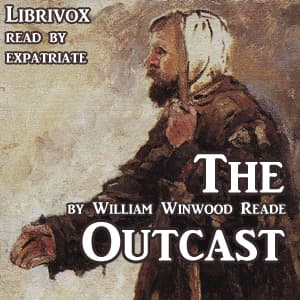
Audiobooks from the author


Link to this page
Add a free, dofollow link to Lex on your blog, forum, syllabus, or reading list.

<a href="https://lex-books.com/author/william-winwood-reade"><img src="https://lex-books.com/badges/read-on-lex.svg" alt="(William) Winwood Reade on Lex" width="160" height="40"></a>[](https://lex-books.com/author/william-winwood-reade)[url=https://lex-books.com/author/william-winwood-reade][img]https://lex-books.com/badges/read-on-lex.svg[/img][/url](William) Winwood Reade on Lex: https://lex-books.com/author/william-winwood-reade