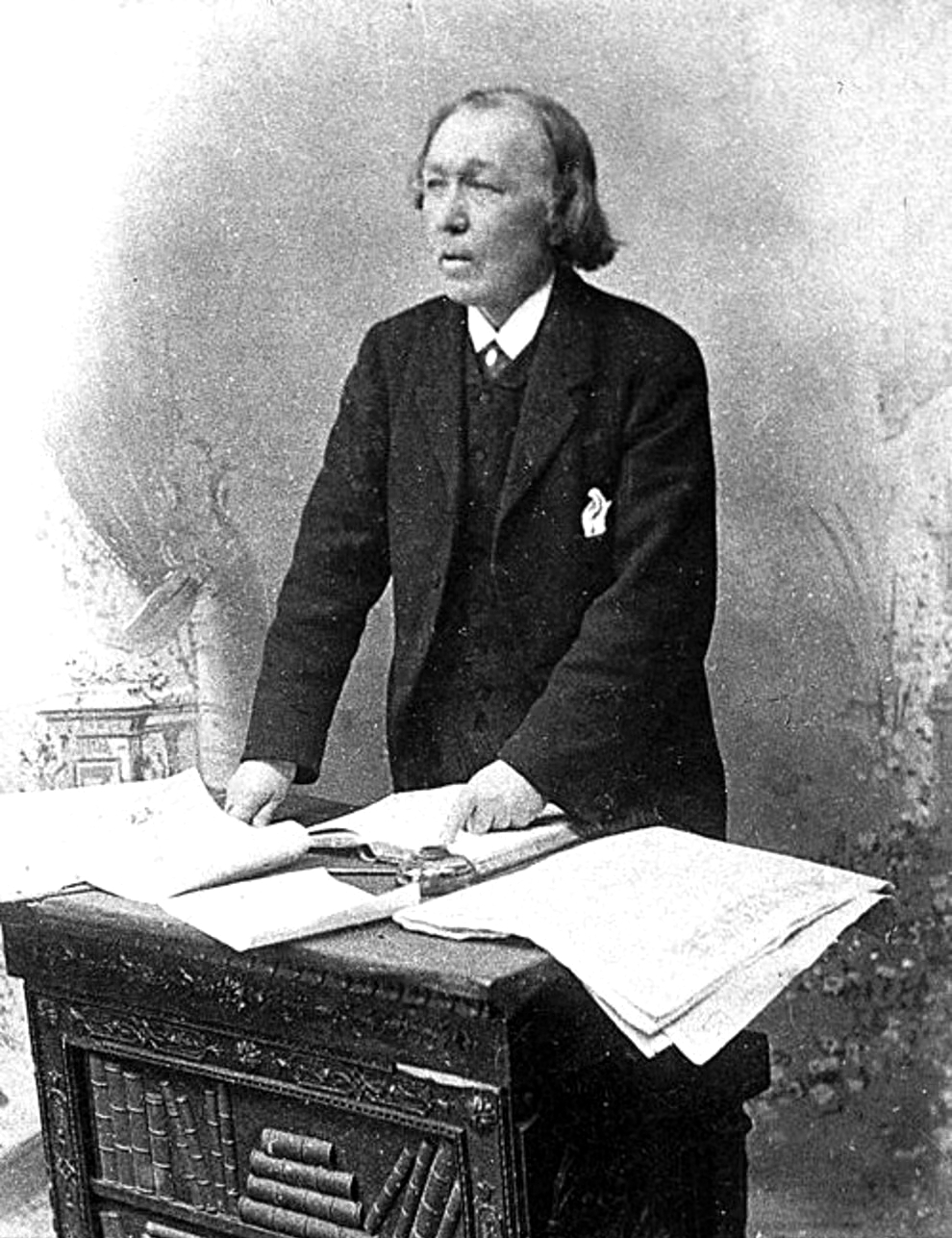
William Topaz McGonagall
William Topaz McGonagall was a Scottish poet and playwright, best known for his unique and often unintentionally humorous style of poetry. Born in Edinburgh, he spent much of his life in Dundee, where he worked as a weaver and later as a theatrical performer. McGonagall's poetry is characterized by its irregular meter, awkward rhymes, and a penchant for grandiose themes, often focusing on historical events and local landmarks. His most famous works include 'The Tay Bridge Disaster,' which recounts the collapse of a railway bridge in 1879, and 'The Battle of Waterloo,' both of which exemplify his distinctive approach to verse that has earned him a place in literary history as one of the worst poets in the English language. Despite the criticism he faced during his lifetime, McGonagall's work has gained a cult following, and he is celebrated today for his earnestness and the sheer originality of his voice. His poetry has been embraced by those who appreciate the charm of its naivety and the humor found in its awkwardness. McGonagall's legacy continues to inspire both admiration and laughter, making him a fascinating figure in the landscape of Victorian literature and a testament to the enduring power of creative expression, regardless of conventional standards of quality.
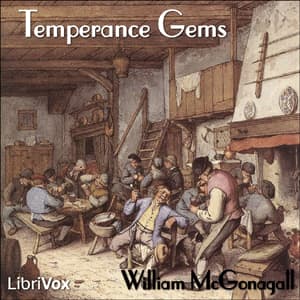
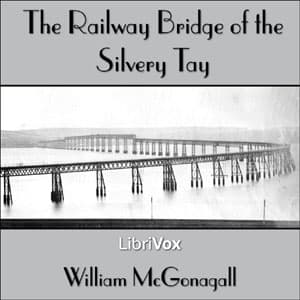
Audiobooks from the author

Link to this page
Add a free, dofollow link to Lex on your blog, forum, syllabus, or reading list.

<a href="https://lex-books.com/author/william-topaz-mcgonagall"><img src="https://lex-books.com/badges/read-on-lex.svg" alt="William Topaz McGonagall on Lex" width="160" height="40"></a>[](https://lex-books.com/author/william-topaz-mcgonagall)[url=https://lex-books.com/author/william-topaz-mcgonagall][img]https://lex-books.com/badges/read-on-lex.svg[/img][/url]William Topaz McGonagall on Lex: https://lex-books.com/author/william-topaz-mcgonagall