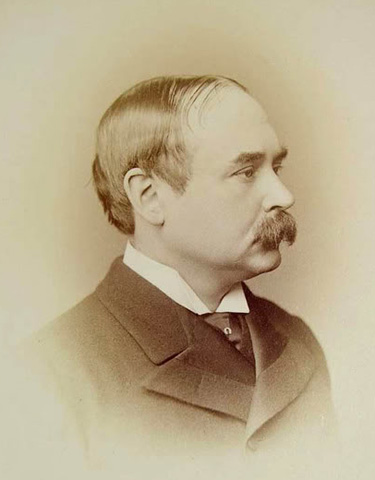
William Hurrell Mallock
William Hurrell Mallock was an English novelist, poet, and essayist known for his exploration of philosophical and social themes in the late 19th century. Born into a well-to-do family, Mallock was educated at Oxford, where he developed a keen interest in philosophy and literature. His early works, including 'The New Republic' (1877), presented a critique of contemporary society and politics, reflecting his deep engagement with the intellectual currents of his time. Mallock's writing often grappled with the tensions between individualism and collectivism, making him a significant figure in the debates surrounding social reform and moral philosophy. Among his notable works is 'A Human Document' (1892), a novel that intricately weaves together personal narratives with broader societal issues, showcasing his ability to blend fiction with philosophical inquiry. Mallock's literary contributions were not limited to fiction; he also wrote extensively on economics and social theory, influencing contemporary thought on these subjects. His works, while sometimes controversial, offered a unique perspective on the challenges of modernity, and he remains a noteworthy figure for his attempts to reconcile the complexities of human experience with the demands of society. Mallock's legacy lies in his thought-provoking writings that continue to invite reflection on the moral and philosophical dilemmas of his time.
Books from the author
Link to this page
Add a free, dofollow link to Lex on your blog, forum, syllabus, or reading list.

<a href="https://lex-books.com/author/william-hurrell-mallock"><img src="https://lex-books.com/badges/read-on-lex.svg" alt="William Hurrell Mallock on Lex" width="160" height="40"></a>[](https://lex-books.com/author/william-hurrell-mallock)[url=https://lex-books.com/author/william-hurrell-mallock][img]https://lex-books.com/badges/read-on-lex.svg[/img][/url]William Hurrell Mallock on Lex: https://lex-books.com/author/william-hurrell-mallock