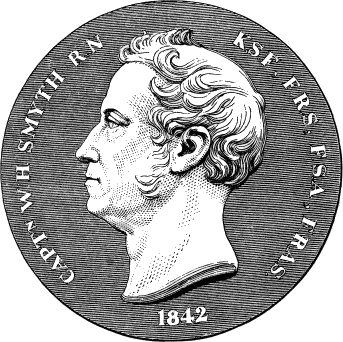
William Henry Smyth
William Henry Smyth was a British naval officer and writer, renowned for his contributions to maritime literature in the 19th century. His most significant work, the "Sailor's Word-book," is a comprehensive dictionary that details the terminology and language used in nautical contexts. This multi-volume reference became an essential resource for sailors, shipbuilders, and maritime enthusiasts, reflecting Smyth's deep understanding of the sea and its culture. The work was notable not only for its breadth but also for its accessibility, making it a vital tool for communication in an era when maritime trade was crucial to the economy. In addition to his dictionary, Smyth authored several other notable works, including the "Descriptive Catalogue of a Cabinet of Roman Imperial Large-brass Medals," which showcases his interest in history and numismatics. His writings also extended to observations on maritime commerce, as seen in "Nautical Observations on the Port and Maritime Vicinity of Cardiff," where he provided insights into the shipping industry and its impact on local economies. Smyth's literary legacy lies in his ability to bridge the gap between practical nautical knowledge and scholarly inquiry, making significant contributions to both fields and influencing future generations of maritime writers and historians.
Books from the author

Link to this page
Add a free, dofollow link to Lex on your blog, forum, syllabus, or reading list.

<a href="https://lex-books.com/author/william-henry-smyth"><img src="https://lex-books.com/badges/read-on-lex.svg" alt="William Henry Smyth on Lex" width="160" height="40"></a>[](https://lex-books.com/author/william-henry-smyth)[url=https://lex-books.com/author/william-henry-smyth][img]https://lex-books.com/badges/read-on-lex.svg[/img][/url]William Henry Smyth on Lex: https://lex-books.com/author/william-henry-smyth