William Henry Helm
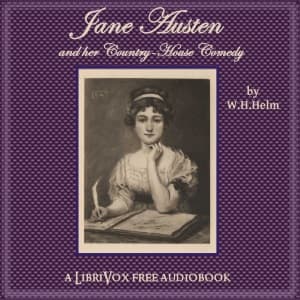
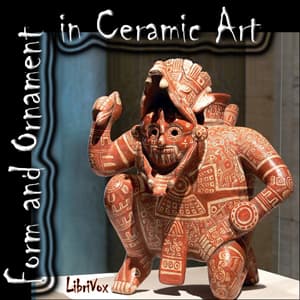
William Henry Helm was a notable scholar and critic, best known for his insightful explorations of literature and art. His work 'Jane Austen and her Country-House Comedy' delves into the social dynamics and comedic elements present in Austen's novels, highlighting the interplay between character and setting in the context of English country life. Helm's analysis not only enhances the understanding of Austen's work but also situates it within the broader landscape of 19th-century literature, emphasizing the significance of social class and gender roles in her narratives. In addition to his literary critiques, Helm contributed to the field of art with 'Form and Ornament in Ceramic Art,' where he examined the aesthetic principles and cultural significance of ceramics. This work reflects his broader interest in how art forms communicate cultural values and societal norms. Through his writings, Helm established himself as an important figure in literary and art criticism, bridging the gap between these two fields and influencing future scholars and enthusiasts alike. His legacy lies in his ability to connect literature with visual arts, enriching the discourse surrounding both disciplines.

Link to this page
Add a free, dofollow link to Lex on your blog, forum, syllabus, or reading list.

<a href="https://lex-books.com/author/william-henry-helm"><img src="https://lex-books.com/badges/read-on-lex.svg" alt="William Henry Helm on Lex" width="160" height="40"></a>[](https://lex-books.com/author/william-henry-helm)[url=https://lex-books.com/author/william-henry-helm][img]https://lex-books.com/badges/read-on-lex.svg[/img][/url]William Henry Helm on Lex: https://lex-books.com/author/william-henry-helm