William Browne
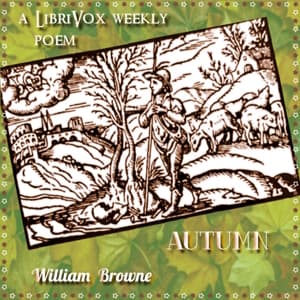
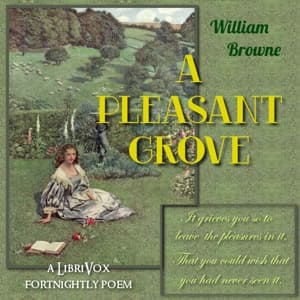
William Browne was a 17th-century English poet, best known for his pastoral poetry that reflects the beauty of nature and the simplicity of rural life. His most notable works, 'Britannia’s Pastorals,' were published in two parts and exemplified the pastoral tradition, drawing inspiration from classical influences while infusing them with a distinctly English sensibility. These poems celebrate the English countryside and explore themes of love, nature, and the passage of time, showcasing Browne's lyrical prowess and his ability to evoke vivid imagery through verse. In addition to 'Britannia’s Pastorals,' Browne's poems 'Autumn' and 'Pleasant Grove' further illustrate his dedication to the pastoral genre. 'Autumn' captures the serene beauty of the changing seasons, while 'Pleasant Grove' reflects on the joys of rural life and the solace found in nature. Browne's work is significant for its rich descriptions and emotional depth, contributing to the development of English poetry during a time when the pastoral form was gaining popularity. His legacy endures as a representative of the pastoral tradition, influencing later poets who sought to capture the essence of the natural world in their writing.
Audiobooks from the author

Link to this page
Add a free, dofollow link to Lex on your blog, forum, syllabus, or reading list.

<a href="https://lex-books.com/author/william-browne"><img src="https://lex-books.com/badges/read-on-lex.svg" alt="William Browne on Lex" width="160" height="40"></a>[](https://lex-books.com/author/william-browne)[url=https://lex-books.com/author/william-browne][img]https://lex-books.com/badges/read-on-lex.svg[/img][/url]William Browne on Lex: https://lex-books.com/author/william-browne