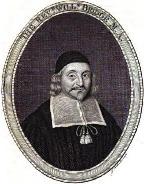
William Bridge
William Bridge was a prominent English Puritan minister and author during the 17th century, known for his theological writings and sermons that addressed the spiritual needs of his congregation amid the tumultuous events of his time. His most notable work, 'Righteous Man's Habitation in the Time of Plague and Pestilence,' reflects his deep concern for the moral and spiritual well-being of individuals facing crises, particularly during the outbreaks of plague that plagued England. In this text, Bridge offered guidance on how to maintain faith and righteousness in the face of suffering and uncertainty, emphasizing the importance of divine providence and personal piety. Bridge's writings are significant not only for their theological insights but also for their reflection of the broader Puritan movement, which sought to reform the Church of England and promote a more personal and direct relationship with God. His works contributed to the rich tapestry of Puritan literature, influencing both his contemporaries and later generations of religious thinkers. Through his sermons and writings, Bridge left a lasting legacy that underscored the intersection of faith and the human experience during times of crisis.
Audiobooks from the author


Link to this page
Add a free, dofollow link to Lex on your blog, forum, syllabus, or reading list.

<a href="https://lex-books.com/author/william-bridge"><img src="https://lex-books.com/badges/read-on-lex.svg" alt="William Bridge on Lex" width="160" height="40"></a>[](https://lex-books.com/author/william-bridge)[url=https://lex-books.com/author/william-bridge][img]https://lex-books.com/badges/read-on-lex.svg[/img][/url]William Bridge on Lex: https://lex-books.com/author/william-bridge