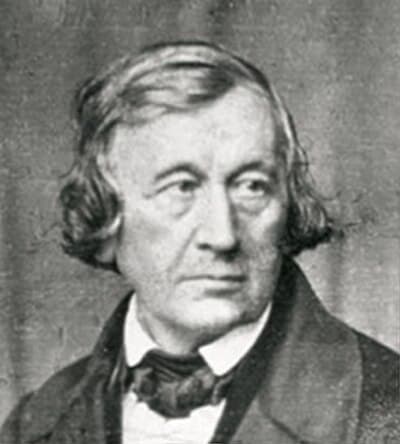
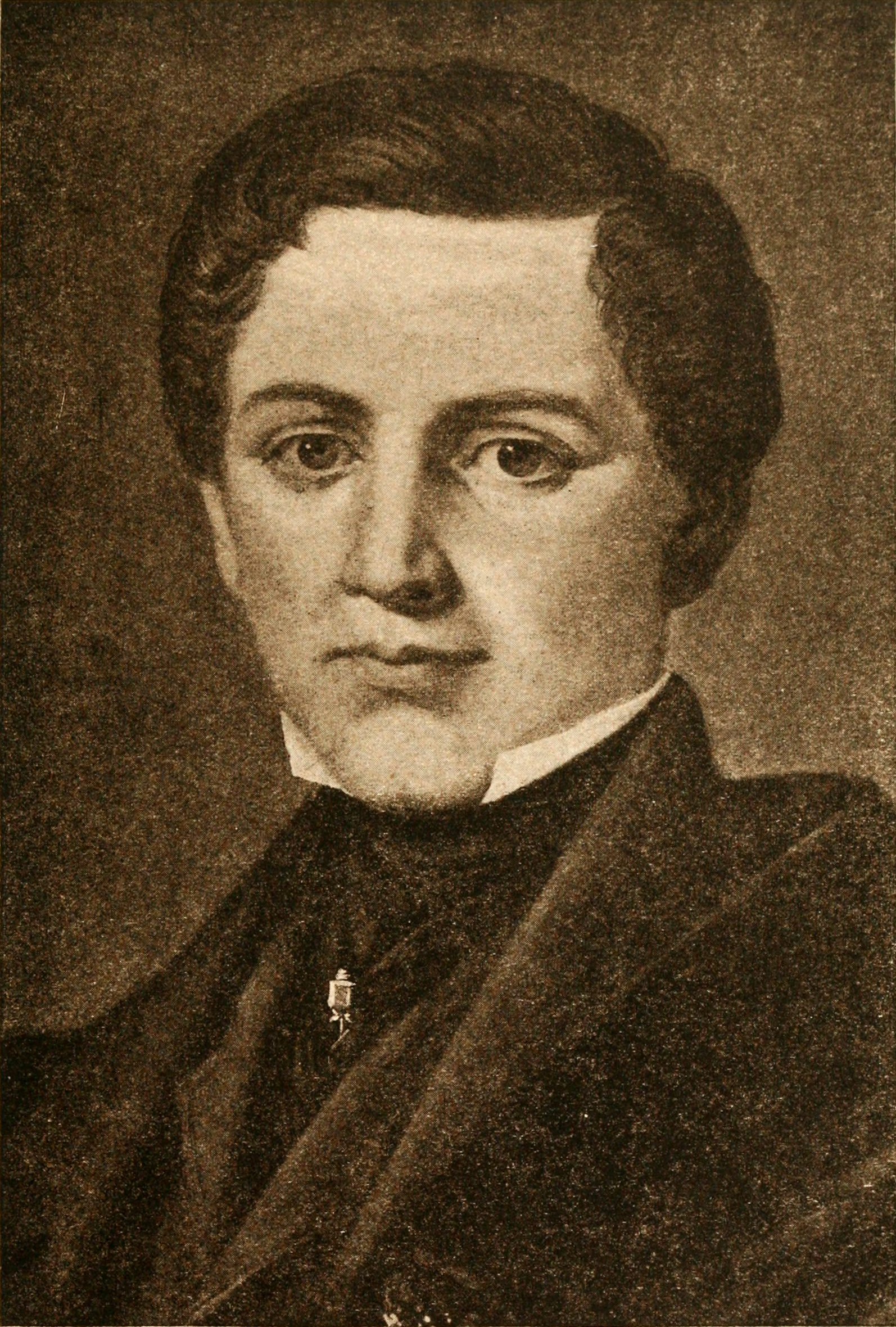
Wilhelm Grimm
Wilhelm Grimm was a prominent German author and philologist, best known as one half of the literary duo the Brothers Grimm, alongside his elder brother Jacob. Born into a family that valued education and literature, Wilhelm's early life was marked by a strong interest in folklore and language. Together with Jacob, he embarked on a mission to collect and preserve traditional folk tales, resulting in the publication of 'Grimm's Fairy Tales,' a seminal work that has had a lasting impact on literature and culture. Their collection included beloved stories such as 'Cinderella,' 'Hansel and Gretel,' and 'Snow White,' which not only entertained but also reflected the moral and social values of their time. Wilhelm's contributions extended beyond fairy tales; he was also a significant figure in the field of philology, studying the evolution of language and its relationship to culture. His work laid the groundwork for modern linguistics and influenced generations of scholars. The Brothers Grimm's dedication to folklore and their scholarly approach to language helped elevate the status of German literature and folklore, making it accessible to a wider audience. Wilhelm Grimm's legacy endures through the enchanting tales that continue to captivate readers and the academic disciplines he helped shape.
Famous Quotes
View all 16 quotes“Mirror, mirror, here I stand. Who is the fairest in the land?””
“He who helped you when you were in trouble ought not afterwards be despised by you””
“He who is too well off is always longing for something new.””
Books from the author




Link to this page
Add a free, dofollow link to Lex on your blog, forum, syllabus, or reading list.

<a href="https://lex-books.com/author/wilhelm-grimm"><img src="https://lex-books.com/badges/read-on-lex.svg" alt="Wilhelm Grimm on Lex" width="160" height="40"></a>[](https://lex-books.com/author/wilhelm-grimm)[url=https://lex-books.com/author/wilhelm-grimm][img]https://lex-books.com/badges/read-on-lex.svg[/img][/url]Wilhelm Grimm on Lex: https://lex-books.com/author/wilhelm-grimm