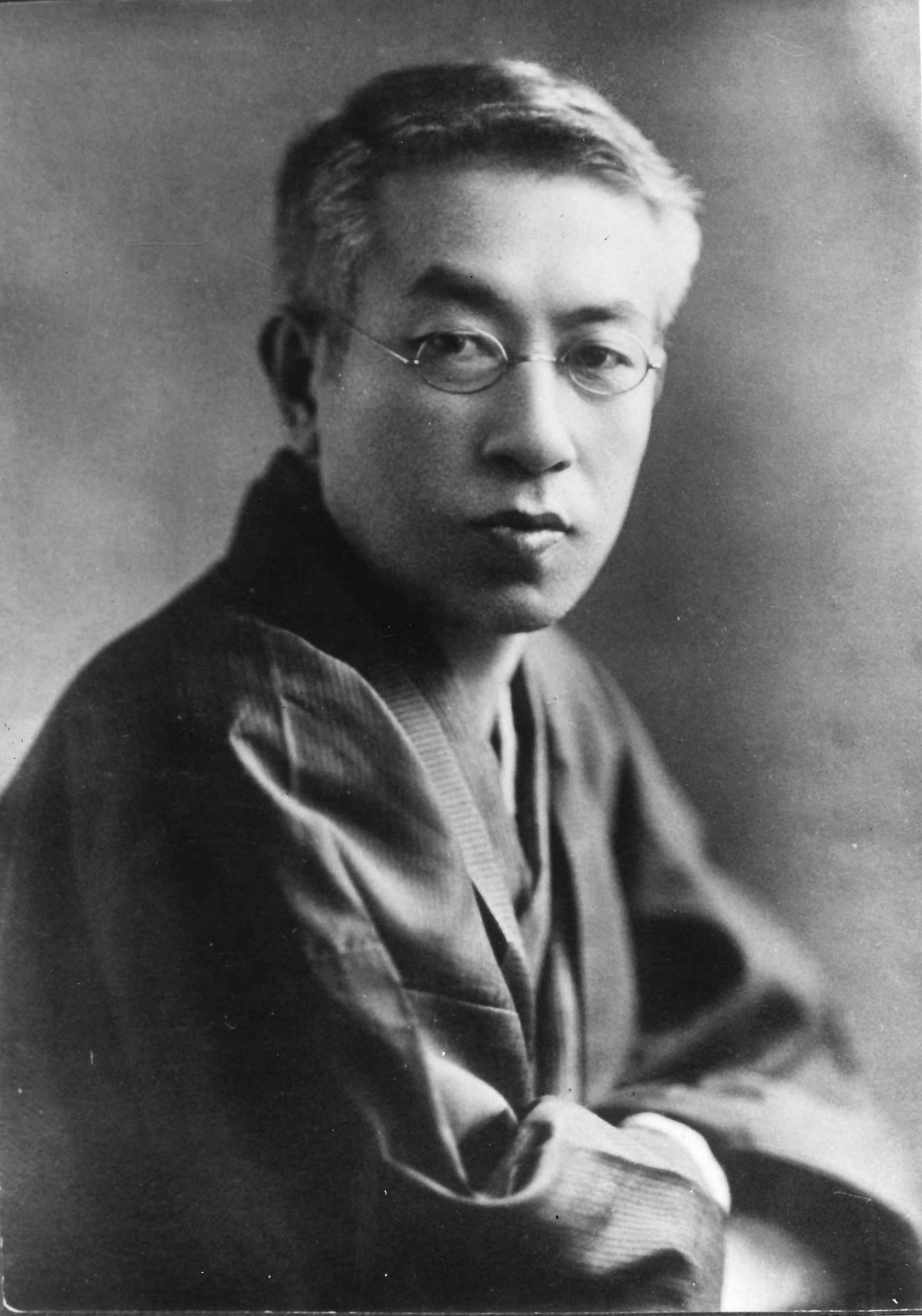
Tōson Shimazaki
Tōson Shimazaki was a prominent Japanese novelist and poet, recognized for his significant contributions to modern Japanese literature during the Meiji and Taisho eras. Born in 1872 in the Nagano Prefecture, Shimazaki initially pursued a career in education before fully dedicating himself to writing. His literary works often reflect the complexities of human emotions and the struggles of individuals against societal expectations, themes that resonate deeply within Japanese culture. Among his notable works, 'Furusato' (Home Town) stands out as a poignant exploration of nostalgia and the ties to one's roots, while 'Megane' (Glasses) delves into the intricacies of perception and identity. Shimazaki's writing is characterized by its lyrical prose and psychological depth, marking him as a precursor to later literary movements in Japan. His influence is particularly evident in the works of subsequent authors who sought to capture the nuances of human experience in a rapidly modernizing society. Shimazaki's legacy endures as a key figure in the evolution of Japanese literature, bridging traditional themes with modernist sensibilities, and his works continue to be studied for their artistic and cultural significance.
Link to this page
Add a free, dofollow link to Lex on your blog, forum, syllabus, or reading list.

<a href="https://lex-books.com/author/tson-shimazaki"><img src="https://lex-books.com/badges/read-on-lex.svg" alt="Tōson Shimazaki on Lex" width="160" height="40"></a>[](https://lex-books.com/author/tson-shimazaki)[url=https://lex-books.com/author/tson-shimazaki][img]https://lex-books.com/badges/read-on-lex.svg[/img][/url]Tōson Shimazaki on Lex: https://lex-books.com/author/tson-shimazaki