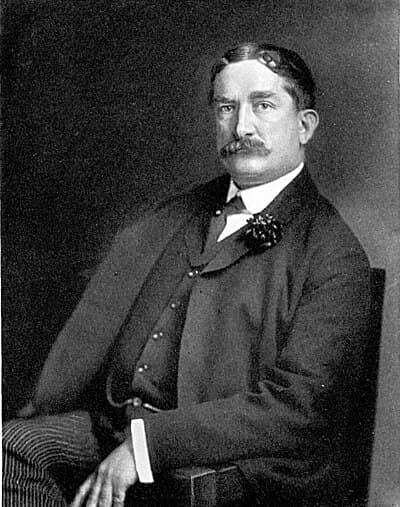
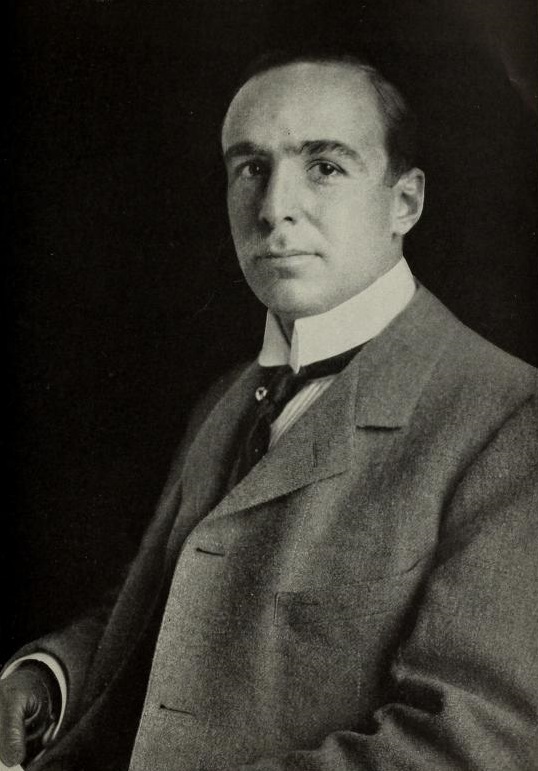
Thomas William Lawson
Thomas William Lawson was an American businessman and writer, recognized for his controversial role in the stock market during the late 19th and early 20th centuries. He gained notoriety as a Boston stock promoter, where his aggressive and often dubious tactics in stock manipulation earned him both wealth and infamy. Lawson was not only a figure of financial speculation but also an advocate for reform in the stock market, pushing for greater transparency and regulation to protect investors from unscrupulous practices. His dual legacy as both a manipulator and a reformer highlights the complexities of his character and the era's financial landscape. In addition to his business ventures, Lawson was a prolific writer, producing works that reflected his experiences and views on finance and society. His notable works include "Frenzied Finance," which critiqued the stock market's excesses and called for accountability. Lawson's writings contributed to the discourse on financial ethics and the need for reform, making him a significant, if controversial, figure in American financial history. His legacy endures as a reminder of the fine line between ambition and ethical conduct in the world of finance.
Books from the author













Link to this page
Add a free, dofollow link to Lex on your blog, forum, syllabus, or reading list.

<a href="https://lex-books.com/author/thomas-william-lawson"><img src="https://lex-books.com/badges/read-on-lex.svg" alt="Thomas William Lawson on Lex" width="160" height="40"></a>[](https://lex-books.com/author/thomas-william-lawson)[url=https://lex-books.com/author/thomas-william-lawson][img]https://lex-books.com/badges/read-on-lex.svg[/img][/url]Thomas William Lawson on Lex: https://lex-books.com/author/thomas-william-lawson