
Thomas Nashe
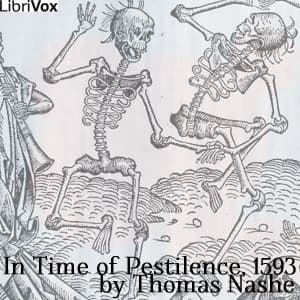
Thomas Nashe was an English Elizabethan playwright, poet, and pamphleteer, known for his sharp wit and satirical style. Born in the late 1560s, he emerged as a prominent literary figure during a time of great cultural and political change in England. Nashe's works often reflected the tumultuous society of his era, marked by the plague and social unrest. His notable works include 'The Anatomie of Absurditie,' a scathing critique of contemporary society and its follies, and 'In Time of Pestilence,' which poignantly addresses the impact of the bubonic plague on London and its inhabitants. Through these writings, Nashe explored themes of human folly, mortality, and the absurdity of life, employing a blend of humor and tragedy that captivated his audiences. Nashe's significance lies not only in his literary contributions but also in his role as a precursor to later satirical writers. His bold style and innovative use of language influenced subsequent generations of writers, including the likes of Ben Jonson and John Milton. Despite his relatively brief career, Nashe's work remains a vital part of the study of Elizabethan literature, showcasing the complexities of human experience during a time of crisis. His legacy endures as a testament to the power of satire and the enduring relevance of social commentary in literature.
Audiobooks from the author

Link to this page
Add a free, dofollow link to Lex on your blog, forum, syllabus, or reading list.

<a href="https://lex-books.com/author/thomas-nashe"><img src="https://lex-books.com/badges/read-on-lex.svg" alt="Thomas Nashe on Lex" width="160" height="40"></a>[](https://lex-books.com/author/thomas-nashe)[url=https://lex-books.com/author/thomas-nashe][img]https://lex-books.com/badges/read-on-lex.svg[/img][/url]Thomas Nashe on Lex: https://lex-books.com/author/thomas-nashe