
Thomas Malthus
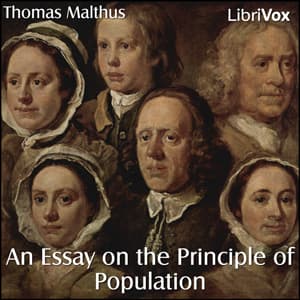
Thomas Malthus was an English cleric and scholar best known for his influential theories on population growth and its implications for society. Born into a well-off family, Malthus was educated at Cambridge University, where he developed his ideas on economics and demography. His seminal work, 'An Essay on the Principle of Population,' published in 1798, posited that population growth would inevitably outpace food production, leading to famine, disease, and societal collapse. This controversial thesis sparked significant debate and laid the groundwork for modern population studies and economic theory. Malthus's ideas were pivotal in shaping discussions around resource management and social policy, influencing figures such as Charles Darwin and the field of evolutionary biology. His work prompted further exploration into the balance between population and resources, making him a key figure in the development of social science. Despite criticism and the evolution of counterarguments, Malthus's legacy endures in contemporary discussions about sustainability and environmental concerns, highlighting the ongoing relevance of his theories in addressing modern challenges related to population growth and resource allocation.
Audiobooks from the author

Link to this page
Add a free, dofollow link to Lex on your blog, forum, syllabus, or reading list.

<a href="https://lex-books.com/author/thomas-malthus"><img src="https://lex-books.com/badges/read-on-lex.svg" alt="Thomas Malthus on Lex" width="160" height="40"></a>[](https://lex-books.com/author/thomas-malthus)[url=https://lex-books.com/author/thomas-malthus][img]https://lex-books.com/badges/read-on-lex.svg[/img][/url]Thomas Malthus on Lex: https://lex-books.com/author/thomas-malthus