
Thomas Browne
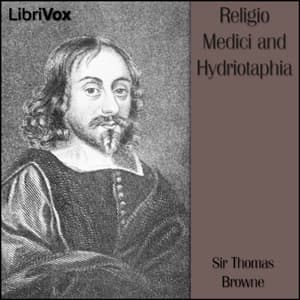
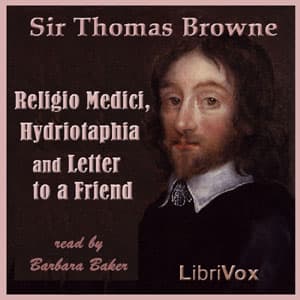
Thomas Browne was a 17th-century English polymath and author, renowned for his profound and often poetic explorations of science, philosophy, and religion. Born in London, he studied at Oxford and later became a physician in Norwich. His most notable works include 'Religio Medici,' a meditative treatise on faith and reason, and 'Hydriotaphia, Urn Burial,' which reflects on mortality and the rituals surrounding death. Browne's writing is characterized by its intricate prose, rich imagery, and a deep curiosity about the natural world, blending scientific inquiry with philosophical musings. Browne's literary significance lies in his ability to bridge the gap between the scientific and the spiritual, making him a precursor to later writers who would explore similar themes. His unique style and contemplative approach influenced a range of authors, from the metaphysical poets to modern essayists. His work has been celebrated for its depth and eloquence, securing his legacy as a key figure in early modern literature and thought, whose insights continue to resonate in discussions of science and philosophy today.
Books from the author
Link to this page
Add a free, dofollow link to Lex on your blog, forum, syllabus, or reading list.

<a href="https://lex-books.com/author/thomas-browne"><img src="https://lex-books.com/badges/read-on-lex.svg" alt="Thomas Browne on Lex" width="160" height="40"></a>[](https://lex-books.com/author/thomas-browne)[url=https://lex-books.com/author/thomas-browne][img]https://lex-books.com/badges/read-on-lex.svg[/img][/url]Thomas Browne on Lex: https://lex-books.com/author/thomas-browne