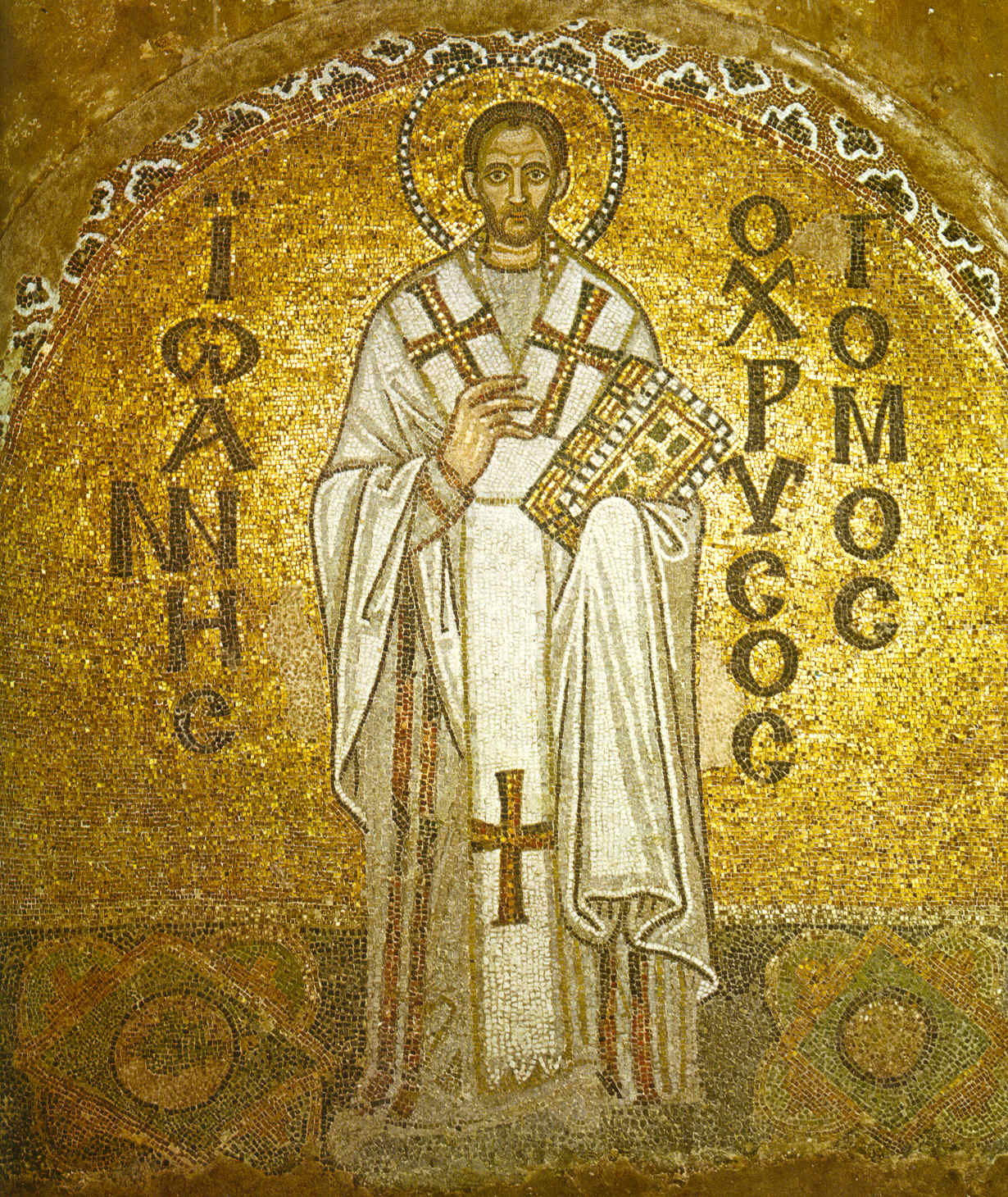
St. John Chrysostom
St. John Chrysostom was a prominent early Christian bishop and theologian, renowned for his eloquent preaching and pastoral care. Born in Antioch, he was educated in rhetoric and philosophy, which greatly influenced his later sermons and writings. Chrysostom became the Archbishop of Constantinople, where he earned the nickname 'Chrysostom,' meaning 'golden-mouthed,' due to his exceptional oratory skills. His sermons often addressed social injustices and the moral responsibilities of the wealthy, making him a significant figure in the early Church's efforts to address the needs of the poor and marginalized. Among his notable works are the 'Homilies on the Gospel of Matthew' and the 'Homilies on the Statues,' which reflect his theological insights and commitment to social justice. His teachings emphasized the importance of charity, humility, and the transformative power of the Eucharist. Despite his popularity, Chrysostom faced opposition from the imperial court and was exiled multiple times due to his outspoken criticism of the corruption within the Church and society. His legacy endures, as he is recognized as a Doctor of the Church and is celebrated for his contributions to Christian liturgy and homiletics, influencing generations of clergy and laypeople alike.
Famous Quotes
View all 17 quotes“Helping a person in need is good in itself. But the degree of goodness is hugely affected by the attitude with which it is done. If you show resentment because you are helping the person out of a reluctant sense of duty, then the person may recieve your help but may feel awkward and embarrassed. This is because he will feel beholden to you. If,on the other hand, you help the person in a spirit of joy, then the help will be received joyfully. The person will feel neither demeaned nor humiliated by your help, but rather will feel glad to have caused you pleasure by receiving your help. And joy is the appropriate attitude with which to help others because acts of generosity are a source of blessing to the giver as well as the receiver.””
“The Holy Scriptures were not givento us that we should enclose them in books, but that we should engrave them upon our hearts.””
“Let no one bewail his poverty,For the universal Kingdom has been revealed.Let no one weep for his iniquities,For pardon has shown forth from the grave.Let no one fear death,For the Saviour's death has set us free.He that was held prisoner of it has annihilated it.By descending into Hell, He made Hell captive.He embittered it when it tasted of His flesh.And Isaiah, foretelling this, did cry:Hell, said he, was embitteredWhen it encountered Thee in the lower regions.It was embittered, for it was abolished.It was embittered, for it was mocked.It was embittered, for it was slain.It was embittered, for it was overthrown.It was embittered, for it was fettered in chains.It took a body, and met God face to face.It took earth, and encountered Heaven.It took that which was seen, and fell upon the unseen.O Death, where is thy sting?O Hell, where is thy victory? ””
Audiobooks from the author

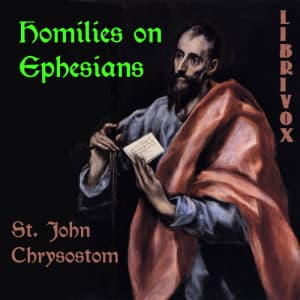
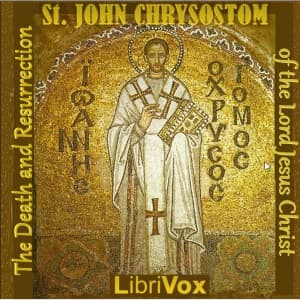
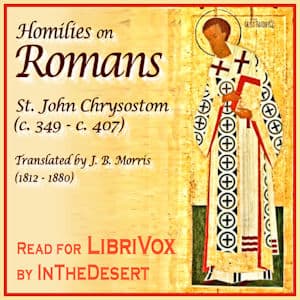

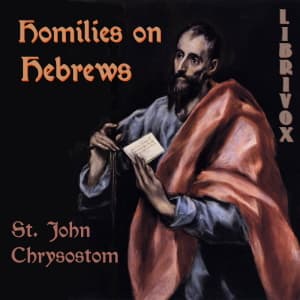
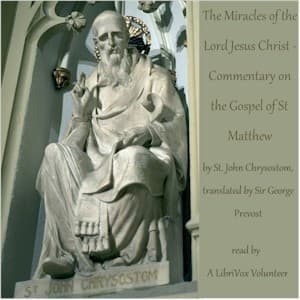
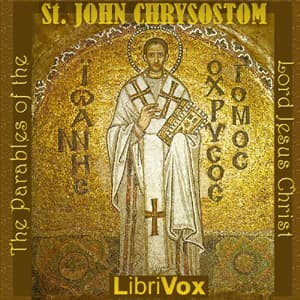
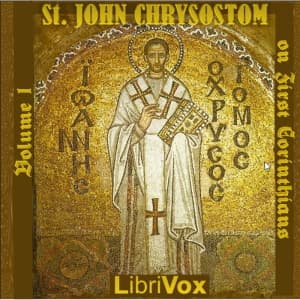
Link to this page
Add a free, dofollow link to Lex on your blog, forum, syllabus, or reading list.

<a href="https://lex-books.com/author/st-john-chrysostom"><img src="https://lex-books.com/badges/read-on-lex.svg" alt="St. John Chrysostom on Lex" width="160" height="40"></a>[](https://lex-books.com/author/st-john-chrysostom)[url=https://lex-books.com/author/st-john-chrysostom][img]https://lex-books.com/badges/read-on-lex.svg[/img][/url]St. John Chrysostom on Lex: https://lex-books.com/author/st-john-chrysostom