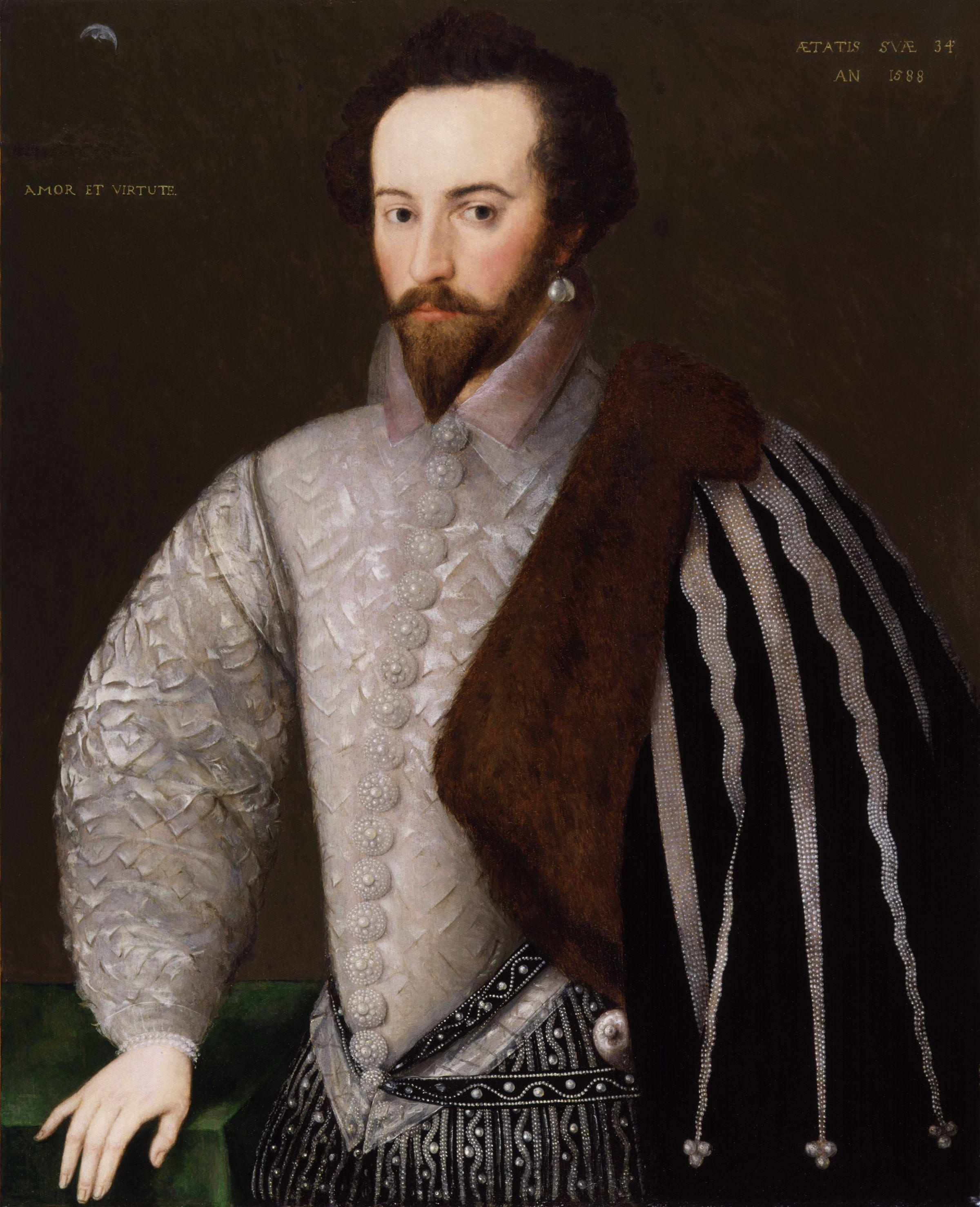
Sir Walter Raleigh
Sir Walter Raleigh was an English explorer, soldier, and writer, known for his role in the English colonization of the Americas and his contributions to literature during the Elizabethan era. Born into a modest family, Raleigh rose to prominence at court, becoming a favorite of Queen Elizabeth I. His adventurous spirit led him to undertake several expeditions to the New World, where he famously introduced tobacco and potatoes to England. His attempts to establish the Roanoke Colony in present-day North Carolina, although ultimately unsuccessful, marked a significant chapter in early American history. In addition to his explorations, Raleigh was a prolific writer, producing notable works such as "The History of the World," which reflects his deep engagement with history and philosophy. His poetry, including the famous poem "The Nymph's Reply to the Shepherd," showcases his skill in crafting lyrical verse that often explored themes of love and nature. Raleigh's literary contributions, combined with his adventurous exploits, have cemented his legacy as a multifaceted figure of the Renaissance, embodying the spirit of exploration and intellectual curiosity of his time. His life ended on a tragic note when he was executed in 1618, but his works and explorations continue to be studied and appreciated for their impact on both literature and the history of colonization.
Books from the author







Link to this page
Add a free, dofollow link to Lex on your blog, forum, syllabus, or reading list.

<a href="https://lex-books.com/author/sir-walter-raleigh"><img src="https://lex-books.com/badges/read-on-lex.svg" alt="Sir Walter Raleigh on Lex" width="160" height="40"></a>[](https://lex-books.com/author/sir-walter-raleigh)[url=https://lex-books.com/author/sir-walter-raleigh][img]https://lex-books.com/badges/read-on-lex.svg[/img][/url]Sir Walter Raleigh on Lex: https://lex-books.com/author/sir-walter-raleigh