
Sir Francis Galton
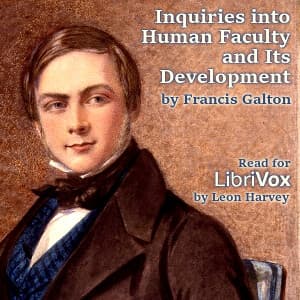
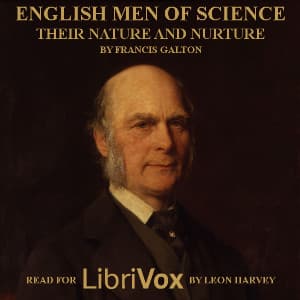
Sir Francis Galton was a prominent Victorian polymath whose work spanned numerous fields, including statistics, psychology, and anthropology. Born into a wealthy family, he was a cousin of Charles Darwin and was deeply influenced by Darwin's theories of evolution. Galton's pioneering research in eugenics, a term he coined, aimed to improve human populations through controlled breeding, which sparked significant ethical debates that continue today. His book 'Hereditary Genius' argued that intelligence and talent were inherited traits, laying the groundwork for future studies in behavioral genetics. In addition to his controversial contributions to eugenics, Galton made significant advancements in the field of statistics, introducing concepts such as correlation and regression toward the mean. His work in developing fingerprinting techniques also had a lasting impact on forensic science. Galton's legacy is complex; while he is recognized for his scientific achievements, his views on race and intelligence have drawn criticism and remain contentious. His multifaceted contributions have left an indelible mark on both the sciences and the ethical discussions surrounding them.
Books from the author


Link to this page
Add a free, dofollow link to Lex on your blog, forum, syllabus, or reading list.

<a href="https://lex-books.com/author/sir-francis-galton"><img src="https://lex-books.com/badges/read-on-lex.svg" alt="Sir Francis Galton on Lex" width="160" height="40"></a>[](https://lex-books.com/author/sir-francis-galton)[url=https://lex-books.com/author/sir-francis-galton][img]https://lex-books.com/badges/read-on-lex.svg[/img][/url]Sir Francis Galton on Lex: https://lex-books.com/author/sir-francis-galton