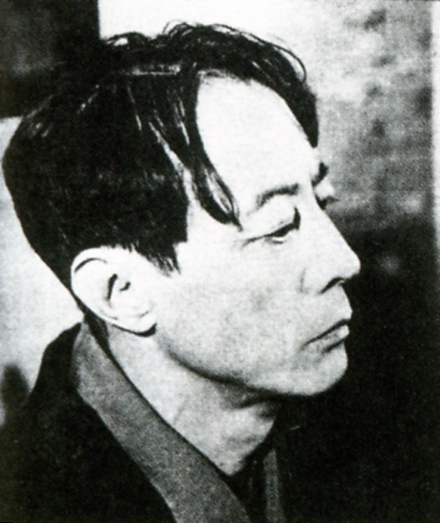
Sakutarō Hagiwara
Sakutarō Hagiwara was a prominent Japanese poet and a key figure in the modernist literary movement of the early 20th century. Born in 1886 in Tokyo, he initially pursued a career in law but soon turned his attention to literature, becoming known for his innovative use of language and form. Hagiwara's poetry often explored themes of existentialism, loneliness, and the complexities of human emotion, reflecting the tumultuous social changes occurring in Japan during his lifetime. His notable works include 'The Poems of Sakutarō Hagiwara' and 'The Moon and Other Poems,' which showcase his unique style and deep introspection. Hagiwara's contributions to Japanese literature were significant, as he was one of the first poets to incorporate Western literary influences into his work, blending traditional Japanese aesthetics with modernist sensibilities. His poetry challenged conventional norms and paved the way for future generations of Japanese writers. Despite facing criticism and controversy during his career, Hagiwara's legacy endures, and he is remembered as a pioneering figure who expanded the boundaries of Japanese poetry, influencing both contemporaries and later poets in the 20th century.
Link to this page
Add a free, dofollow link to Lex on your blog, forum, syllabus, or reading list.

<a href="https://lex-books.com/author/sakutar-hagiwara"><img src="https://lex-books.com/badges/read-on-lex.svg" alt="Sakutarō Hagiwara on Lex" width="160" height="40"></a>[](https://lex-books.com/author/sakutar-hagiwara)[url=https://lex-books.com/author/sakutar-hagiwara][img]https://lex-books.com/badges/read-on-lex.svg[/img][/url]Sakutarō Hagiwara on Lex: https://lex-books.com/author/sakutar-hagiwara