Robert B. Finley
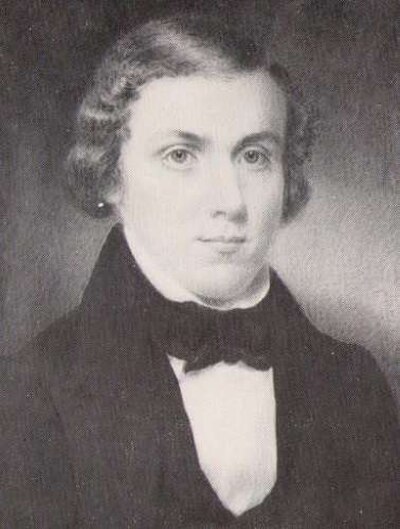
Robert B. Finley was an influential American Presbyterian clergyman and educator, recognized for his pivotal role in the establishment of the American Colonization Society, which aimed to create a settlement for free African Americans in Liberia. Born in Princeton, New Jersey, he demonstrated academic prowess early on, graduating from the College of New Jersey at just 15 years old. Finley dedicated two decades of his life to pastoral work at a Presbyterian church in Basking Ridge, New Jersey, where he also contributed to education by teaching in both elementary and secondary institutions. In 1817, Finley briefly served as the president of the University of Georgia, further emphasizing his commitment to education. His legacy is intertwined with the complex history of colonization and race in America, as he advocated for the resettlement of free blacks to Africa, a controversial stance that sparked significant debate during his time. Finley's efforts not only shaped the early discourse on African American identity and freedom but also laid the groundwork for future discussions on race relations in the United States, marking him as a significant figure in early American history.
Books from the author



Link to this page
Add a free, dofollow link to Lex on your blog, forum, syllabus, or reading list.

<a href="https://lex-books.com/author/robert-b-finley"><img src="https://lex-books.com/badges/read-on-lex.svg" alt="Robert B. Finley on Lex" width="160" height="40"></a>[](https://lex-books.com/author/robert-b-finley)[url=https://lex-books.com/author/robert-b-finley][img]https://lex-books.com/badges/read-on-lex.svg[/img][/url]Robert B. Finley on Lex: https://lex-books.com/author/robert-b-finley