
Richard Sibbes
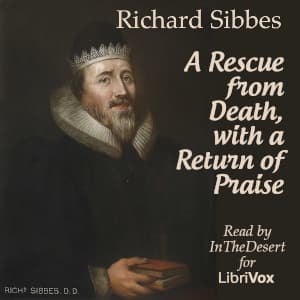
Richard Sibbes was an influential English theologian and preacher during the early 17th century, known for his profound insights into Puritan thought and spirituality. Born in 1577, he was educated at St. John's College, Cambridge, where he developed a deep commitment to Reformed theology. Sibbes served as a minister at Holy Trinity Church in Cambridge, where his sermons attracted a large following, and he became known for his warm and pastoral approach to preaching. His works emphasized the love of God and the comfort found in Christ, making him a beloved figure among Puritans and a significant voice in English religious life. Among his notable works, "The Bruised Reed" stands out as a seminal text that explores themes of grace, healing, and the Christian's relationship with Christ. Sibbes argued that even the weakest believers are cherished by God, a message that resonated deeply with his contemporaries and continues to inspire readers today. His writings contributed to the development of Puritan spirituality, emphasizing personal piety and the importance of a heartfelt relationship with God. Sibbes' legacy endures through his influence on later Puritan thinkers and his enduring works, which remain significant in the study of Reformed theology and Christian literature.
Books from the author

Link to this page
Add a free, dofollow link to Lex on your blog, forum, syllabus, or reading list.

<a href="https://lex-books.com/author/richard-sibbes"><img src="https://lex-books.com/badges/read-on-lex.svg" alt="Richard Sibbes on Lex" width="160" height="40"></a>[](https://lex-books.com/author/richard-sibbes)[url=https://lex-books.com/author/richard-sibbes][img]https://lex-books.com/badges/read-on-lex.svg[/img][/url]Richard Sibbes on Lex: https://lex-books.com/author/richard-sibbes